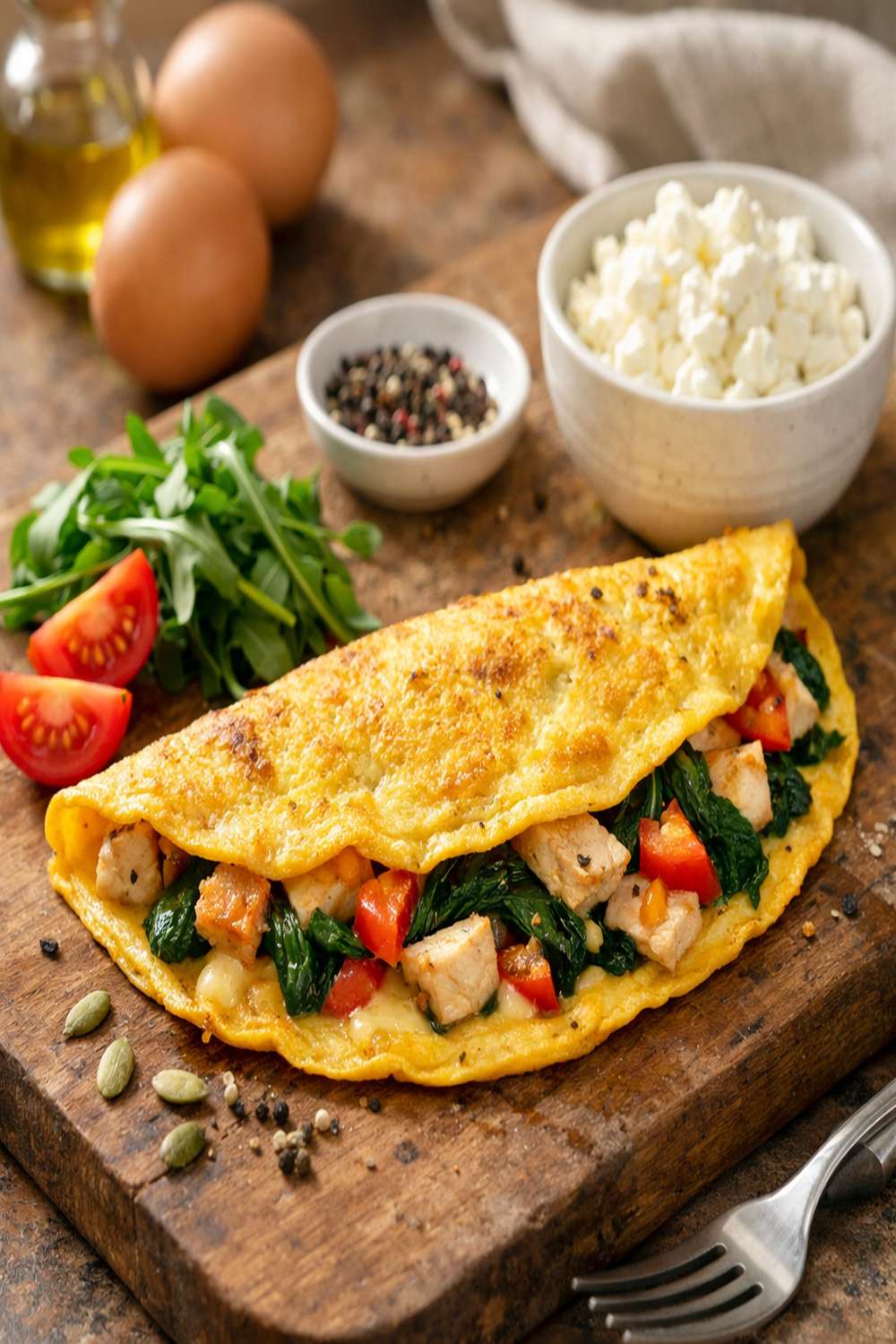

Ingredients
Method
Step 1: Prep Your Vegetables While the Pan Heats
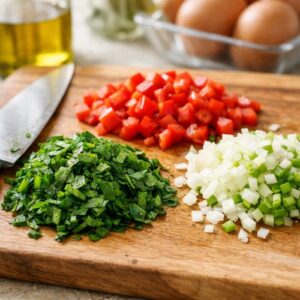
- While your non-stick skillet is coming to temperature, chop your spinach, dice your pepper, and mince your onion or scallions. Here's the efficiency win: prep vegetables in bulk on Sunday, store them separately in glass containers, and you've just cut your weekday breakfast prep from 10 minutes to 2 minutes. This is how dietitians actually eat healthy during busy seasons—we batch-prep vegetables once, not every morning. If you're using fresh spinach, give it a gentle squeeze after chopping to remove excess moisture. That moisture is nutrition draining away, but more importantly, it releases water into your omelette and makes it watery instead of fluffy. Dry vegetables = fluffy omelette. This one trick separates restaurant-quality from sad and soggy.
Step 2: Whisk Your Egg Mixture With Intent
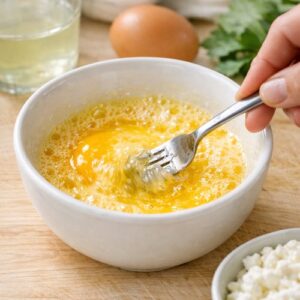
- Pour your 1 whole egg and ½ cup egg whites into a small bowl. Here's where most home cooks miss the point: use a fork and whisk for about 30 seconds, but don't over-beat. You want the whites and yolks fully incorporated—no streaks of yellow and white—but you don't want to deflate the natural air pockets that create fluffiness. Once combined, immediately add your chopped vegetables directly into the egg mixture. This saves you a step and ensures vegetables are evenly distributed throughout the omelette, not clumped on one side. Season with your ¼ teaspoon kosher salt and a pinch of black pepper. Stir gently until everything is integrated. Why kosher salt? Table salt has a finer grain and contains anti-caking agents that leave a bitter aftertaste. Kosher salt dissolves better into eggs and tastes cleaner. It costs the same—about $1.50 for a container that lasts a year—but the flavor difference is immediate.
Step 3: Heat Your Non-Stick Pan to Medium-Low (Not Medium)
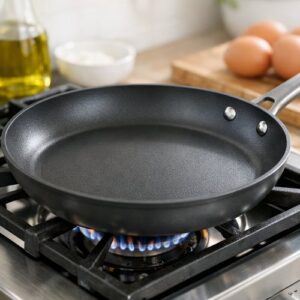
- This is crucial for budget omelettes: high heat burns the bottom before the top cooks, and you end up with ruined eggs and wasted ingredients. Medium-low heat is your friend. It gives you time to work and creates even cooking from bottom to top. Heat your 9 or 10-inch non-stick skillet for about 2 minutes. If you don't have a non-stick pan, this is one place I genuinely recommend spending money—a quality non-stick skillet is $25–$40 and lasts years if you care for it properly. It pays for itself in omelettes you don't ruin, and in the reduction of butter or oil you need (saving money and calories). Test the heat by sprinkling a drop of water on the surface. If it sizzles gently and the bead moves around slowly, you're at perfect medium-low. If it evaporates instantly, reduce the heat.
Step 4: Spray, Pour, and Be Patient
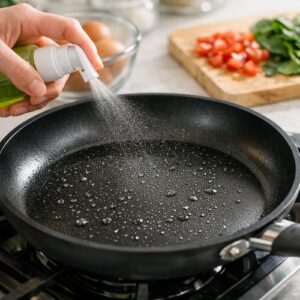
- Give your pan 2–3 light sprays of olive oil. Use a spray bottle, not pouring—this prevents excess oil that adds calories and cost without adding flavor. Immediately pour your egg mixture into the center of the pan and resist the urge to stir it around like scrambled eggs. Let it sit untouched for about 45 seconds to 1 minute. During this time, the bottom is setting and creating structure. This is not laziness; this is technique. Professional cooks don't touch omelettes while they set.
Step 5: Gently Lift and Let Uncooked Eggs Flow
- Using a heatproof silicone or rubber spatula (not metal, which can scratch non-stick surfaces), gently lift the edge of the cooked portion. Tilt the pan slightly so the uncooked egg from the center flows toward the pan edges. This happens naturally; you're not pushing it. Do this around the entire perimeter—lift slightly, let liquid egg flow—over about 2–3 minutes. Your goal is to have set egg all the way to the edges while the very center is still slightly wet. That center moisture is essential because it will continue cooking from residual heat, creating a creamy center that looks and tastes expensive. Pro tip from my clinic work: I've noticed people either don't lift enough (creating a giant rubbery bottom) or lift too aggressively (breaking the structure). Pretend you're working with something delicate. Gentle movements, 30–45% of the way under, then back off. Three times around is usually perfect.

Step 6: Add Cheese and Fold
- When the eggs are mostly set but still slightly soft on top, sprinkle your ⅓ cup shredded cheddar down the center of the omelette. Let the cheese sit for about 10–15 seconds while it begins to melt. You don't want it fully melted and pooled; you want it softened and ready to stay contained. Now comes the final move: using your spatula, fold one edge (about a third of the omelette) toward the center, then fold the opposite edge toward the center. You're creating a three-part fold with melted cheese inside. If you prefer an open-faced omelette, skip this step, but folding creates that classic restaurant presentation and keeps the cheese from spilling out onto your plate. Slide onto your serving plate immediately. The residual heat will continue cooking the center to creamy perfection over the next 30 seconds.

Notes
- Buy eggs in bulk at warehouse clubs - Costco and Sam's Club prices are 30–40% lower than traditional grocery stores. A 5-dozen carton costs roughly $8–$9, bringing your per-egg cost down to $0.20 instead of $0.40. Yes, you need freezer space, but the math wins.
- Choose liquid egg whites over separated fresh eggs - Egg white cartons (Egg Beaters, Simply Egg Whites, or store brands) cost less per ounce than buying extra whole eggs and discarding yolks. Plus, they last 4–5 weeks in your refrigerator, so you buy once and use across multiple meals without waste.
- Buy cheese in blocks and shred yourself - Pre-shredded cheese costs 40–50% more because of anti-caking agents and packaging. A $4 block of cheddar yields about 2 cups shredded and lasts through 6–8 omelettes. Invest $8 in a microplane grater (one-time cost) and you've paid for itself in three purchases.
- Go frozen for vegetables during off-season months - Fresh spinach and peppers are cheapest June through September. October through May, frozen spinach ($1.50 per bag) and frozen diced peppers ($2 per bag) give you identical nutrition at half the cost. No quality sacrifice; actually more convenient.
- Buy red onions and scallions whole - One red onion ($0.99) yields 12+ tablespoon servings. One bunch of scallions ($0.99) lasts through 15+ meals. These aren't ingredients you're buying for one recipe; they're pantry staples that multiply your value across weeks.