Crock Pot Beef Pasta Recipe
This post contains affiliate links. As an Amazon Associate I earn from qualifying purchases.
There’s something deeply comforting about coming home to a kitchen that smells like a Tuscan villa—and a meal that’s been quietly perfecting itself while you lived your day. I discovered the magic of slow cooker beef pasta during a particularly chaotic week at my practice when I was juggling back-to-back nutrition consultations. My family needed real food, not takeout, and my schedule said “impossible.” But this beef pasta crock pot recipe became my secret weapon. Now, years later, it remains one of my most-requested weeknight dinners because it delivers on every promise: tender beef, deeply flavored sauce, and zero stress. Pair it with a fresh green salad and crusty bread, and you’ve got a meal that feels like you spent hours at the stove—when really, you invested maybe 15 minutes of active work.
When Comfort Food Meets Clinical Nutrition
I grew up watching my grandmother layer flavors into her meat sauces, stirring them for what felt like an eternity. She’d always say, “Good food takes time, Rachel.” As a registered dietitian, I spent years believing those words meant I had to choose between health-conscious eating and real flavor. Then I learned about slow cooking—and everything changed. This recipe is my answer to that old conflict: it honors the slow, intentional cooking my grandmother believed in, but it respects the modern reality that most of us can’t hover over a stove for hours.
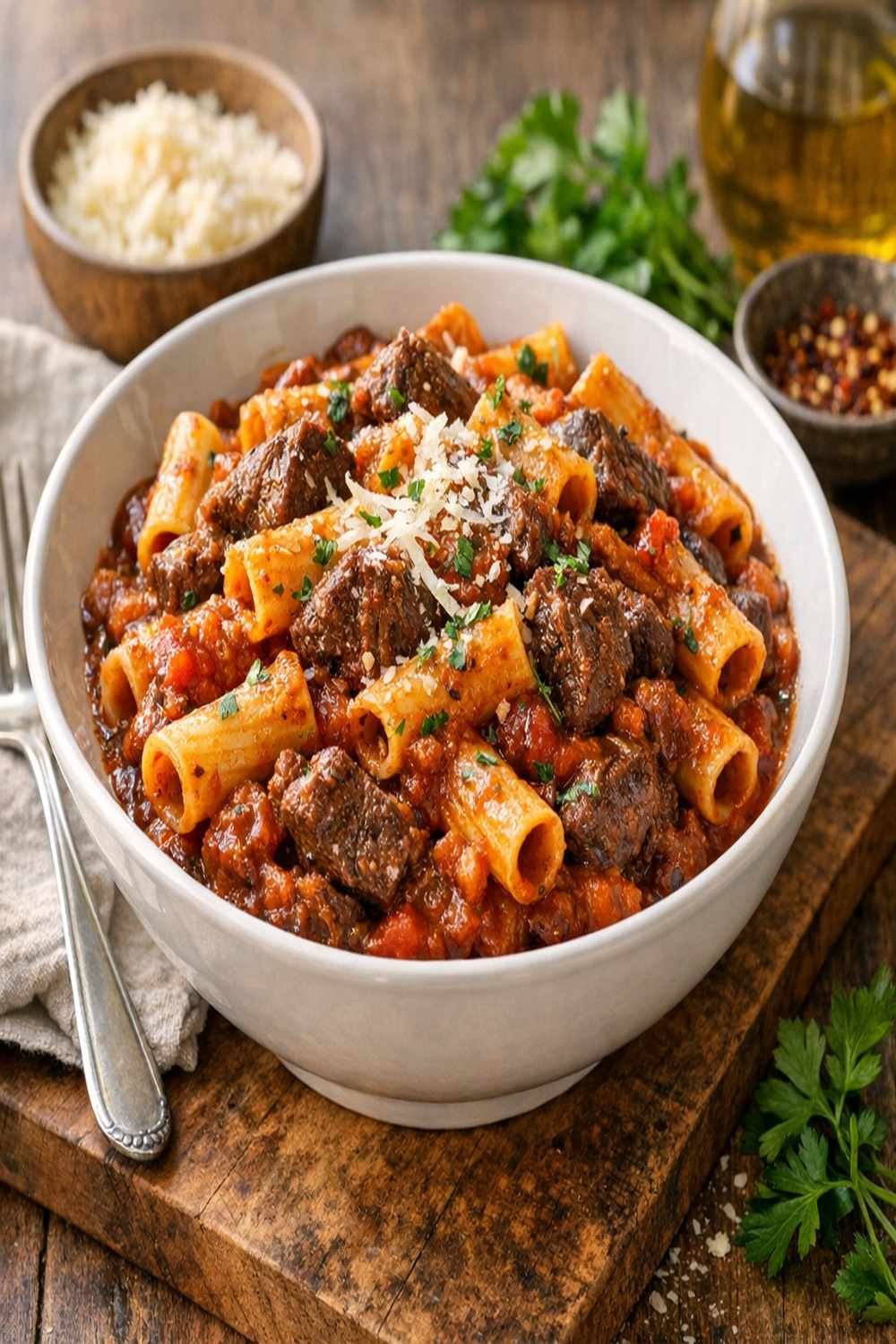
What is Crock Pot Beef Pasta Recipe?
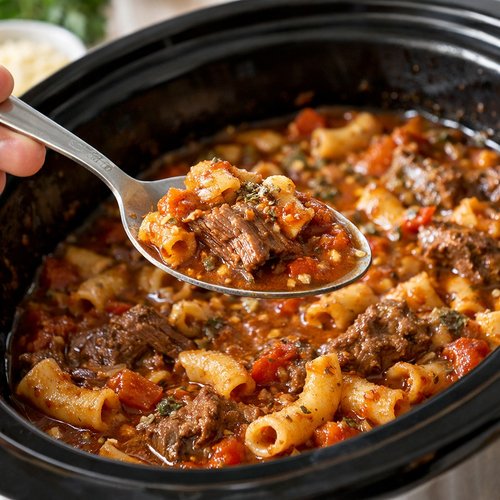
This is a classic Italian-inspired beef ragù designed specifically for the slow cooker, where chuck roast transforms into impossibly tender shreds through low, gentle heat over several hours. The sauce builds complexity through a traditional soffritto base—garlic, onions, carrots, and celery—then deepens with tomato paste, crushed tomatoes, and either red wine or beef broth for richness.
What makes this version special is that it breaks away from the myth that slow cooker meals must be watery or one-dimensional. By searing the beef first (a crucial step I’ll explain in detail), you create a flavorful crust that carries through the entire sauce. The final 30-minute reduction after shredding concentrates flavors and creates the silky, clingy consistency you want coating your pasta.
Unlike heavier cream-based pasta sauces, this ragù is built on tomato, wine, and beef stock—ingredients that provide rich umami and savory depth without excess saturated fat. One serving delivers approximately 32 grams of protein, making it genuinely nourishing, not just delicious.
Why You’ll Love This Crock Pot Beef Pasta Recipe
- Minimal hands-on time meets maximum flavor – You’ll spend about 15 minutes prepping and searing, then the slow cooker becomes your sous chef for 2+ hours while you attend to real life.
- Protein-packed without feeling heavy – As a dietitian, I appreciate that beef chuck offers iron, zinc, and B vitamins. This sauce delivers about 32 grams of protein per serving while feeling elegant and light enough for any night of the week.
- Freezer-friendly for future you – Make a double batch, and you’ve solved dinners for the next month. The flavors actually deepen after a day or two in the refrigerator, making this a make-ahead dream.
- Adaptable to your crowd – Whether you’re feeding two or twelve, this scales beautifully. I’ve detailed scaling hacks throughout the recipe for families, dinner parties, and meal prep sessions.
- No fancy equipment required – A standard crock pot, a heavy-bottomed pot for searing, and basic kitchen tools are all you need. No special techniques or hard-to-find ingredients.
- Restaurant-quality results at home – This ragù tastes like something you’d order at an Italian restaurant in Sonoma or Napa—which isn’t coincidental, given where I cook here in Fairfield. The depth comes from patience and good ingredients, not complexity.
The Ingredients
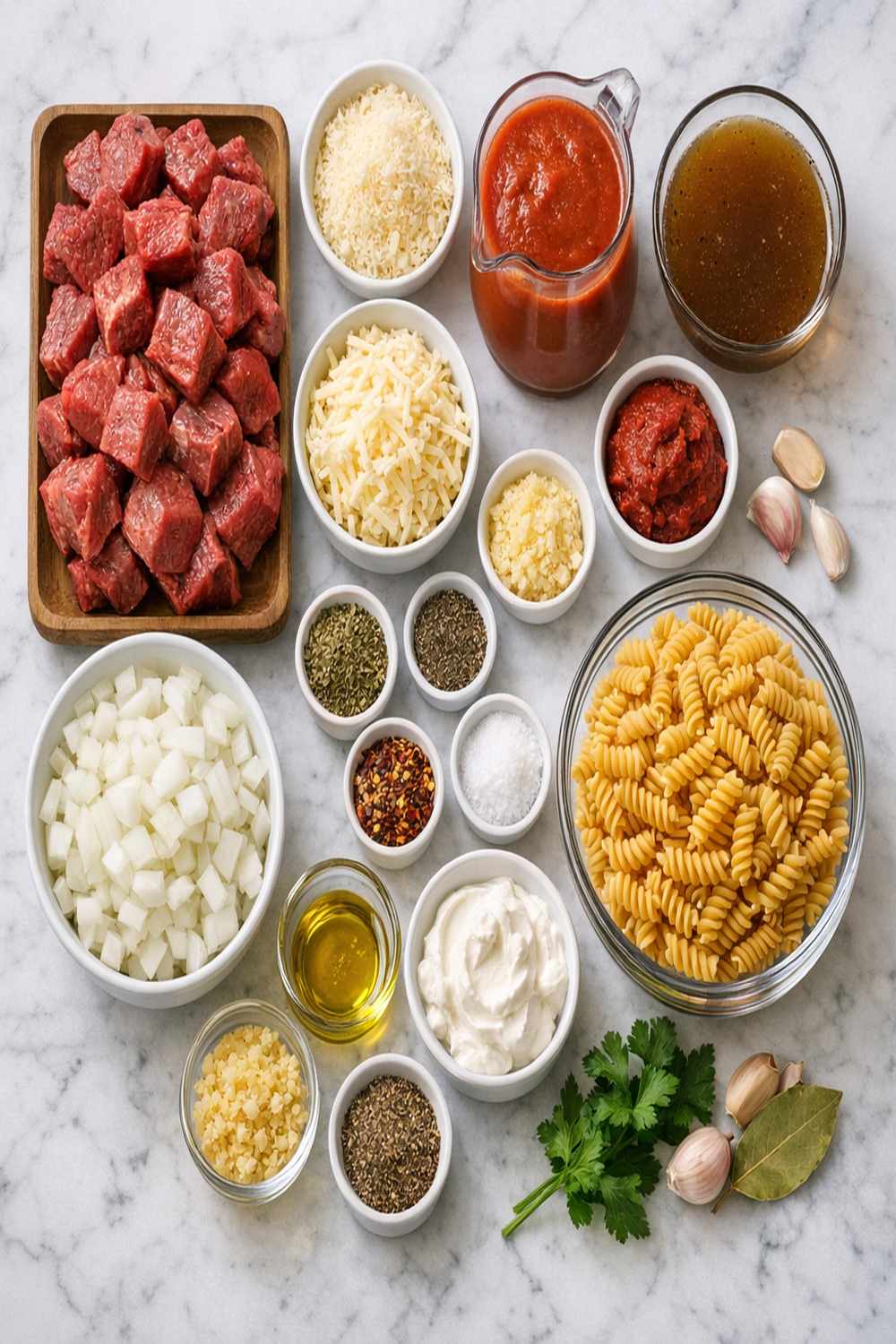
Before you start shopping, let me highlight a few ingredient notes that will make a real difference in your final dish. This recipe makes approximately 6 generous servings (about 1.5 cups per serving with pasta), though you can easily scale by adjusting quantities proportionally.
- 3 tablespoons tomato paste (this concentrates tomato flavor dramatically; use the kind in a tube for single servings if you want flexibility)
- 28 ounces crushed canned tomatoes (San Marzano variety preferred; check the label for no added sugars)
- 1 pound dried pappardelle pasta (or fettuccine, tagliatelle, or rigatoni—wider shapes hold the chunky sauce better than thin pasta)
- 1 cup carrots, diced (about 2 medium carrots; this adds natural sweetness to balance acidity)
- Fresh flat-leaf parsley, finely chopped (optional garnish; adds brightness to the final plate)
- 3 cloves garlic, minced (about 1 tablespoon; avoid pre-minced garlic from jars, which develops an off-flavor)
- ¾ teaspoon dried thyme, or 3 sprigs fresh thyme (dried is more concentrated, so measure carefully)
- 2 tablespoons fresh basil, torn (optional; add at the very end for a whisper of spring flavor)
- 1 cup full-bodied red wine, such as merlot or cabernet sauvignon (the alcohol cooks off, leaving only the deep berry notes; or substitute with 1 cup additional beef broth if avoiding alcohol)
- ½ teaspoon sugar (optional; add only if your sauce tastes too acidic at the end)
- Freshly grated Parmigiano-Reggiano cheese for serving (about ¼ cup per person; avoid pre-grated versions, which contain anti-caking agents)
- 2.5 pounds beef chuck roast (ask your butcher to trim excess fat; this cut becomes incredibly tender through slow cooking and shouldn’t be substituted with lean cuts like sirloin)
- 1½ cups beef broth or stock (homemade is ideal, but quality store-bought works; avoid very salty versions)
- 3 tablespoons extra virgin olive oil, divided (separate into 1 tablespoon for searing and 2 tablespoons for the soffritto)
- ½ teaspoon freshly ground black pepper (use whole peppercorns and grind fresh; pre-ground loses its bite over time)
- 1 cup celery, diced (about 3 stalks; the classic soffritto trinity—don’t skip this)
- 1 tablespoon fine sea salt (plus extra for final seasoning)
- 1 medium yellow onion, diced small (about 1 cup; red onions work but add slight sweetness)
- 2 beef bouillon cubes, crumbled (these add sodium, so taste before adding the full amount at the end; low-sodium versions are available)
- 3 dried bay leaves (these add subtle aromatic depth; remove before eating)
How to Make Crock Pot Beef Pasta Recipe?
This recipe divides into distinct phases: preparation, searing, slow cooking, shredding, and finishing. I’ll walk you through each one with the kind of detail I’d give a client in my Fairfield practice—because precision here creates those restaurant-quality results.
Step 1: Pat Your Beef Completely Dry
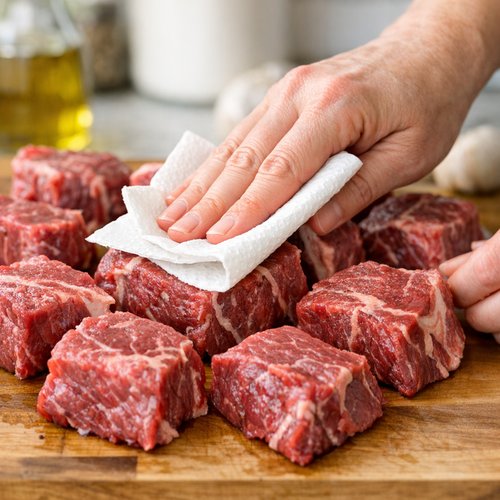
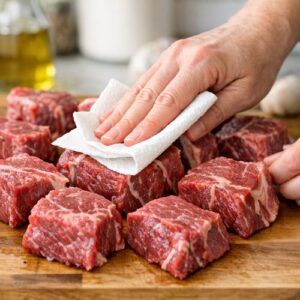
Remove your beef chuck from the refrigerator about 30 minutes before cooking. Using paper towels, pat each piece thoroughly until no surface moisture remains. This matters more than you’d think: wet meat steams rather than sears, and a proper sear is what builds the flavorful crust that transforms this entire dish. Moisture is the enemy of browning. Sprinkle the dried beef generously on all sides with salt and black pepper. Don’t be shy—this seasoning layer is your first opportunity to build flavor into the meat itself.
Step 2: Sear the Beef Until Golden Brown
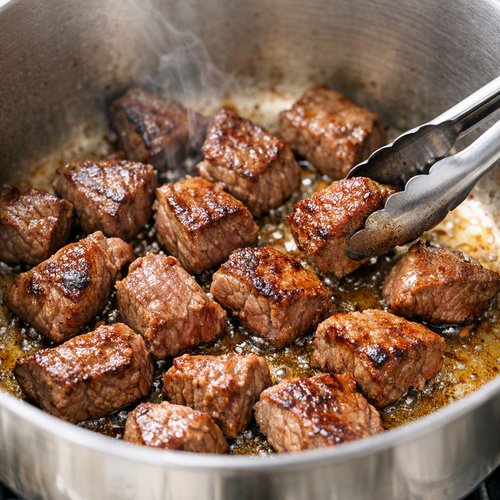
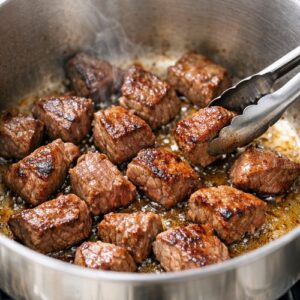
Heat 1 tablespoon of olive oil in a heavy-bottomed pot (cast iron or stainless steel work beautifully) over high heat. You’ll know it’s ready when the oil shimmers and just begins to smoke slightly. Working in batches if necessary so you don’t crowd the pan, place the beef pieces in the hot oil and resist the urge to move them. Let each piece sit undisturbed for 2-3 minutes until a deep golden-brown crust forms on the bottom. Flip and repeat on all sides, aiming for a total searing time of 5-7 minutes. The beef doesn’t need to be cooked through—you’re purely building exterior color and flavor.
Transfer the seared beef to a clean plate and set aside. Don’t discard any drippings left in the pot; those caramelized bits are liquid gold for your sauce.
Step 3: Build Your Aromatic Base (The Soffritto)
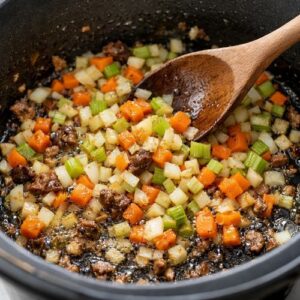
Reduce the heat to medium-low and add the remaining 2 tablespoons of olive oil to the same pot (this picks up all those caramelized beef bits). Add your minced garlic and diced onion, stirring frequently for about 2 minutes until fragrant and the onion just begins to soften. Now add your diced carrots and celery. Cook gently for 5 minutes, stirring occasionally. You’re not trying to brown these vegetables; you want them to release their flavors slowly into the oil, creating an aromatic base that will perfume your entire sauce.
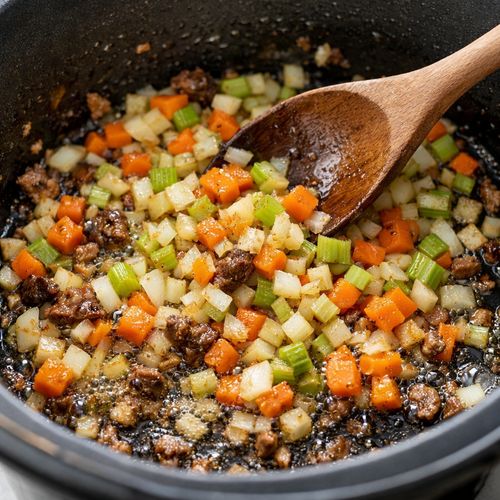
Step 4: Add the Tomato Foundation
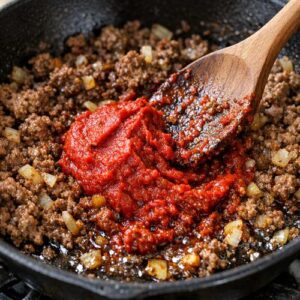
Stir in your tomato paste and cook it directly in the hot oil for about 1 minute. This blooms the paste and deepens its flavor dramatically. You’ll notice it darkening slightly and becoming fragrant. Add your crushed canned tomatoes, crumbled beef bouillon cubes, red wine (or additional broth), and the 1½ cups of beef broth. Stir thoroughly to combine, scraping the bottom of the pot to incorporate all those caramelized beef bits.
Add the bay leaves and thyme. Return the seared beef to the pot, nestling it into the liquid along with any accumulated juices from the plate. The beef should be mostly submerged; if not, add a bit more broth.
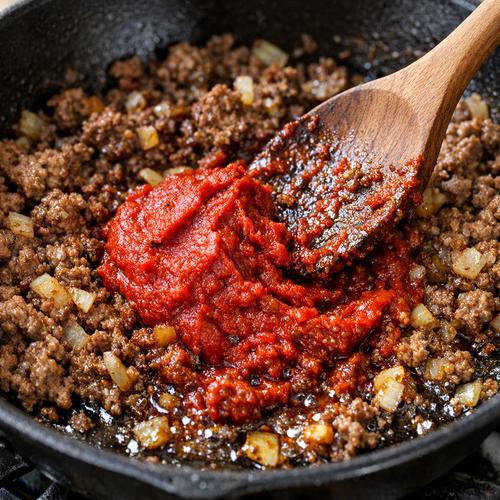
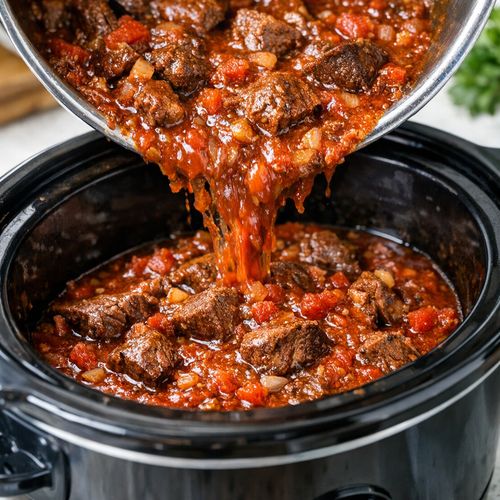
Step 5: Transfer to Your Slow Cooker
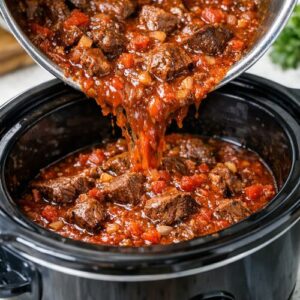
Pour the entire contents of the pot into your slow cooker, beef and sauce together. Cover and set to low heat for 2 to 2.5 hours, or high heat for 1 to 1.5 hours. You’re looking for the beef to become fork-tender enough to shred easily. At the 1.5-hour mark, begin checking: pierce a piece with a fork—it should shred without resistance. The exact timing depends on the exact size and thickness of your beef pieces and your specific slow cooker’s temperature calibration.
The liquid should be gently simmering, not vigorously boiling. If your slow cooker runs very hot, reduce the heat to warm or medium-low if that option exists.
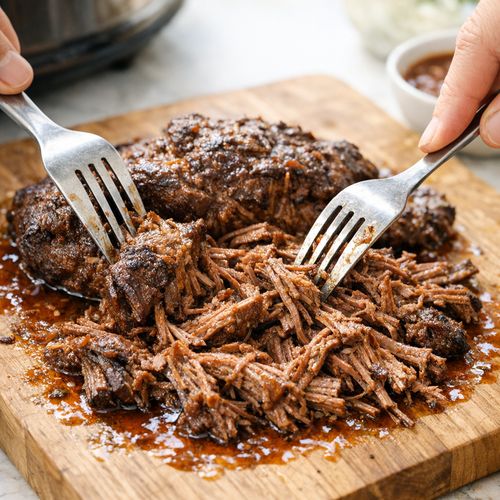
Step 6: Shred the Beef and Reduce the Sauce
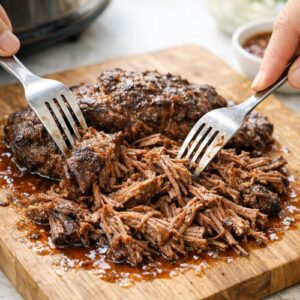
Once the beef is tender, carefully remove it from the slow cooker using tongs or a slotted spoon and place it on a cutting board. Using two forks held back-to-back, shred the beef into bite-sized pieces. Don’t worry about perfection—you want pieces roughly the size of your thumbnail, which will hold the sauce beautifully on pasta.
Return the shredded beef to the slow cooker. Switch the slow cooker to high heat or transfer the sauce to a pot on the stovetop and bring it to a gentle simmer. Let it cook uncovered for 30 minutes to reduce and thicken. You’re concentrating flavors and creating a sauce that clings to the pasta rather than pooling at the bottom of the bowl. You should see the volume reduce by about 20-25%.
Step 7: Final Seasoning and Taste Test
Turn off the heat and let the sauce cool for just a minute. Taste carefully. The flavors should be deep and savory. If the sauce tastes too acidic (which can happen with certain canned tomato brands), add the optional ½ teaspoon of sugar and stir. Taste again. Add additional salt and pepper as needed—remember, you’re seasoning generously to account for dilution when you toss with pasta. The sauce should taste intentional and well-seasoned on its own, not bland.
Cover the slow cooker and set aside until you’re ready to serve. This sauce actually improves with time—it tastes noticeably better the next day as flavors marry and meld. If you’re cooking ahead, this is the perfect moment to refrigerate or freeze.
Step 8: Cook Your Pasta and Combine
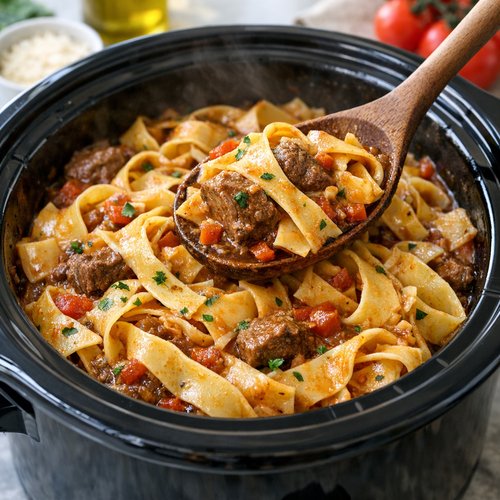
About 15-20 minutes before serving, cook your pappardelle according to package directions, aiming for al dente (just tender with a slight bite). Reserve about 1 cup of pasta water before draining. Gently reheat your beef sauce if it’s been sitting. Toss the hot pasta with the beef ragù, adding pasta water a splash at a time until you reach your preferred consistency. The starchy pasta water helps the sauce cling beautifully to each strand.
Divide among bowls or plates, top with freshly grated Parmigiano-Reggiano and fresh parsley if desired, and serve immediately.
Tips and Tricks
- Scaling for a crowd – This recipe scales beautifully. For 12 people, multiply all ingredients by 2 and plan on two slow cookers running simultaneously, or transfer to a large Dutch oven and finish in the oven at 300°F instead. The cooking time remains roughly the same.
- Make-ahead mastery – Prepare through Step 7 the night before. Refrigerate the sauce in an airtight container (it keeps for 4 days). The next evening, reheat gently while your pasta cooks. You’ve essentially turned a 3-hour dinner into a 20-minute assembly.
- Wine selection matters – Choose a red wine you’d actually drink. Avoid anything labeled “cooking wine,” which contains added sodium. A merlot brings berry notes; a cabernet sauvignon brings slightly more tannin and structure. Pinot noir works too but is more subtle. If you’re avoiding alcohol entirely, use an equal amount of beef broth mixed with 1 tablespoon of balsamic vinegar for complexity.
- Beef bouillon cubes warning – These are salty. I recommend starting with just one crumbled cube and adding the second during final seasoning if needed. Taste first, always.
- Tomato paste tube hack – If you don’t use the entire 3-tablespoon amount, store the tube in the refrigerator (it lasts months) rather than opening a whole can. Much more practical for single cooks.
- Bay leaf safety – Remove all three bay leaves before serving. I always fish them out before blending or pureeing, and I recommend the same care here. They’re flavor carriers, not edible.
- Pasta water is non-negotiable – This starchy water is what transforms separate pasta and sauce into a cohesive dish. Never skip it. Add it gradually until you reach your preferred consistency.
- Professional nutritionist tip – The combination of beef (iron), tomatoes (lycopene), and olive oil (fat-soluble vitamin absorption) creates a nutritionally complete dish. The slow cooking process breaks down plant and animal fibers, making minerals like iron and zinc more bioavailable—meaning your body absorbs them more efficiently than from a quick-cooked meal.
Expert’s Nutritional Insight
As a registered dietitian, I’m particularly interested in how cooking method affects nutrient density. This slow cooker approach actually increases mineral bioavailability compared to quick-cooking methods. The extended low heat gently breaks down cell walls in the vegetables, releasing vitamins and minerals that your digestive system can access more readily. The beef chuck cut—often overlooked in favor of leaner options—contains abundant iron and B vitamins that many of my clients aren’t getting enough of.
The tomato base provides lycopene, a carotenoid that’s actually increased through cooking and combining with fat (your olive oil). Studies from USDA research show that cooked tomato products deliver more bioavailable lycopene than fresh tomatoes. This isn’t an indulgence; it’s genuinely nourishing food at a cellular level. One serving delivers approximately 32 grams of protein, 8 grams of fiber (when topped with whole wheat pasta), and substantial iron—making it a complete, satisfying meal without requiring added fats or proteins.
Can I Store Crock Pot Beef Pasta Recipe?
Refrigerator – Store the finished sauce (without pasta) in an airtight container for up to 4 days. The flavors continue developing, making day two and three genuinely better than day one. Reheat gently over medium heat, stirring occasionally, adding a splash of water if it’s thickened too much during storage.
Freezer – This sauce freezes exceptionally well for up to 3 months. Cool completely, then transfer to freezer-safe containers or heavy-duty freezer bags (which save space). Label with the date. Thaw overnight in the refrigerator, then reheat gently. I usually freeze in 2-cup portions, which matches 4 servings, making meal prep effortless.
Cooked pasta – Never freeze cooked pasta with sauce; the texture becomes mushy upon thawing. Always freeze the sauce and pasta separately, combining them fresh after reheating.
Batch cooking strategy – Make a triple batch on Sunday, freeze most of it, and you’ve solved dinners for weeks. On busy nights, simply thaw, reheat, cook fresh pasta, and dinner is ready in 25 minutes.
Nutrition Information
Per serving (sauce with approximately 1.5 cups cooked pappardelle, without cheese topping): Calories: 485 | Protein: 32g | Carbohydrates: 48g | Fat: 14g | Saturated Fat: 5g | Fiber: 3g | Sodium: 820mg | Iron: 4.2mg (23% DV) | Zinc: 6.1mg (55% DV).
Values calculated using USDA FoodData Central for beef chuck, refined wheat pappardelle, and canned tomatoes. Exact values depend on specific brands and portion sizes. The iron content (particularly heme iron from beef) is highly bioavailable, meaning your body absorbs it efficiently. Pairing with vitamin C (fresh parsley or a side salad) further enhances iron absorption.
If using whole wheat pasta, add approximately 2-3 grams of additional fiber and increase the mineral content slightly. The cheese topping adds approximately 70 calories, 4 grams of protein, and 6 grams of fat per ¼ cup serving.
Make-Ahead Guide for Busy Weeks
Option 1: Prep-to-Cook Method (Recommended) – On Sunday, prep all ingredients: trim and portion beef, chop vegetables, measure dried herbs into a small bowl. Store everything in separate containers in the refrigerator. When you’re ready to cook (could be Monday, could be Thursday), you’re 15 minutes away from a simmering slow cooker. This flexibility is invaluable for unpredictable schedules.
Option 2: Full Cook-and-Freeze – Complete the entire recipe through Step 7 on a weekend. Cool the sauce completely (this takes about 1-2 hours), then portion into containers and freeze. Thaw overnight and reheat while cooking pasta. This requires the most upfront effort but gives you grab-and-reheat convenience all week.
Option 3: Hybrid Approach – Make a double or triple batch during one slow cooker session. Freeze portions in 2-cup increments, keep one portion in the refrigerator for the next night’s dinner, and you’ve covered both convenience and fresh-cooked quality.
My personal routine: I make this on Sunday afternoons, eat it Sunday and Monday, then portion the remainder into freezer containers for the following weeks. It takes one slow cooking session to solve meals for nearly a month.
Common Mistakes to Avoid
- Skipping the sear – I cannot overstate this. The browning step creates Maillard reactions that develop complex, savory flavors you cannot achieve any other way. A slow cooker alone cannot brown meat. Skipping this step results in gray, bland beef and a sauce that tastes one-dimensional. Budget those 7 minutes.
- Using lean beef cuts – Chuck roast becomes tender through slow cooking because of its fat and connective tissue. Sirloin or tenderloin stays tough and dry. Trust the cut. The fat also adds mouthfeel and carries flavor compounds. Not all fat is the enemy; appropriate fat is nutritionally sound and makes food delicious.
- Crowding the pan during searing – If you stack beef pieces on top of each other, they steam rather than sear. Work in batches if needed. This adds maybe 5 minutes but transforms your final result.
- Skipping the 30-minute reduction – After shredding, resist the urge to serve immediately. That final 30-minute simmer concentrates flavors and thickens the sauce so it clings to pasta instead of pooling. Your patience here pays dividends in the final dish.
Seasonal Variations
Spring Version – Add 1 cup of diced fresh asparagus and ½ cup of fresh peas during the final 5 minutes of cooking. Replace some of the basil with fresh tarragon. Serve with grated Pecorino Romano instead of Parmigiano-Reggiano for a slightly more pronounced flavor.
Summer Version – After shredding the beef, add 1 cup of fresh diced tomatoes (in addition to the canned), 1 teaspoon of fresh oregano, and ½ teaspoon of fennel seeds. Finish with fresh basil and a squeeze of lemon juice for brightness. Serve at room temperature over chilled pasta for a summer ragu.
Fall Version – Add 1 tablespoon of balsamic vinegar and 1 teaspoon of dried oregano during the initial simmering. After shredding, stir in 1 cup of diced roasted mushrooms (cremini or porcini work beautifully). This deepens the earthiness and aligns with fall entertaining.
Winter Version – Add 2 tablespoons of red wine vinegar and 1 teaspoon of cocoa powder (yes, really—it adds depth without sweetness) during the reduction phase. The cocoa emphasizes the beef’s richness. Serve with aged Parmigiano-Reggiano and fresh thyme for a warming, sophisticated meal.
What Can I Serve With Crock Pot Beef Pasta Recipe?
This ragù is substantial enough to serve on its own, but I always pair it with at least one fresh element to balance the richness. Here are my favorite combinations from my Fairfield kitchen:
- Crisp green salad with lemon vinaigrette – Arugula or mixed greens tossed with a simple dressing of lemon juice, extra virgin olive oil, and Dijon mustard. The acidity and brightness cut through the beef’s richness and aid digestion.
- Crusty bread for sauce-soaking – A good ciabatta or sourdough from your local bakery. Warm it in the oven while pasta cooks. There’s no shame in using bread to capture every drop of sauce.
- Roasted vegetables – Toss quartered brussels sprouts, halved carrots, or broccoli florets with olive oil, salt, and roasted at 425°F for 20 minutes while your pasta cooks. The slight char provides textural contrast.
- Simple caprese salad – Fresh tomatoes, fresh mozzarella, basil, and olive oil. This is restaurant-perfect alongside the ragù and feels elegant without effort.
- Sautéed spinach or kale – Heat with garlic and olive oil. Adds minerals and color to the plate without competing with the sauce’s flavors.
- Garlic bread – Slice baguette lengthwise, brush with olive oil mixed with minced garlic and fresh parsley, then broil until golden. Classic for a reason.
If you’re looking for dessert after this hearty main, consider something light like my 2 Ingredient Chaffle Recipe, which provides sweetness without the heaviness that would make your guests uncomfortable after such a rich meal.
Substitutes
- Beef chuck alternatives – Beef short ribs, beef brisket, or beef blade roast work similarly. All develop tenderness through slow cooking. Avoid tenderloin, sirloin tip, or other lean cuts—they’ll be tough and disappointing.
- Red wine substitution – Use beef broth plus 1 tablespoon balsamic vinegar or red wine vinegar. Or use 1 cup of additional broth for a non-alcoholic version. The flavor will be slightly less complex but entirely respectable.
- Canned tomato brands – San Marzano tomatoes are ideal because they’re less acidic, but any quality crushed tomatoes work. Check labels for added sugars and sodium. Some people prefer fire-roasted tomatoes for deeper flavor.
- Fresh herbs instead of dried – Use 1 tablespoon fresh thyme (roughly 3 times the dried amount) and 4 bay leaves (fresh bay is stronger than dried). Add fresh herbs during the final 10 minutes rather than at the beginning so they don’t lose all their volatility.
- Pasta shape options – Blade beef recipe might pair with different pasta, but for this ragù specifically, choose wide, thick shapes: pappardelle, tagliatelle, rigatoni, or ziti. Avoid thin spaghetti, which gets overwhelmed by chunky sauce.
- Slow cooker to stovetop method – If you don’t have a slow cooker, use a heavy Dutch oven in a 300°F oven instead. Follow the same process but check at the 1.5-hour mark for tenderness. Dutch oven cooking is slightly faster than slow cooker cooking because oven heat is more direct.
- Vegetable substitutions – The soffritto (garlic, onion, carrot, celery) is traditional and shouldn’t be altered, but you can add 1 cup of diced mushrooms or zucchini during the final reduction for additional vegetables. Don’t substitute the foundational vegetables—they’re there for flavor architecture, not just nutrition.
- Bouillon cube alternatives – Use 2 teaspoons of better-than-bouillon brand paste, or make your own salt-free reduction by simmering additional broth to concentrate flavor. If using store-bought broth, reduce the added salt since broth already contains sodium.

Crock Pot Beef Pasta Recipe
Ingredients
Method
- Remove your beef chuck from the refrigerator about 30 minutes before cooking. Using paper towels, pat each piece thoroughly until no surface moisture remains. This matters more than you'd think: wet meat steams rather than sears, and a proper sear is what builds the flavorful crust that transforms this entire dish. Moisture is the enemy of browning. Sprinkle the dried beef generously on all sides with salt and black pepper. Don't be shy—this seasoning layer is your first opportunity to build flavor into the meat itself.
- Heat 1 tablespoon of olive oil in a heavy-bottomed pot (cast iron or stainless steel work beautifully) over high heat. You'll know it's ready when the oil shimmers and just begins to smoke slightly. Working in batches if necessary so you don't crowd the pan, place the beef pieces in the hot oil and resist the urge to move them. Let each piece sit undisturbed for 2-3 minutes until a deep golden-brown crust forms on the bottom. Flip and repeat on all sides, aiming for a total searing time of 5-7 minutes. The beef doesn't need to be cooked through—you're purely building exterior color and flavor. Transfer the seared beef to a clean plate and set aside. Don't discard any drippings left in the pot; those caramelized bits are liquid gold for your sauce.
- Reduce the heat to medium-low and add the remaining 2 tablespoons of olive oil to the same pot (this picks up all those caramelized beef bits). Add your minced garlic and diced onion, stirring frequently for about 2 minutes until fragrant and the onion just begins to soften. Now add your diced carrots and celery. Cook gently for 5 minutes, stirring occasionally. You're not trying to brown these vegetables; you want them to release their flavors slowly into the oil, creating an aromatic base that will perfume your entire sauce.
- Stir in your tomato paste and cook it directly in the hot oil for about 1 minute. This blooms the paste and deepens its flavor dramatically. You'll notice it darkening slightly and becoming fragrant. Add your crushed canned tomatoes, crumbled beef bouillon cubes, red wine (or additional broth), and the 1½ cups of beef broth. Stir thoroughly to combine, scraping the bottom of the pot to incorporate all those caramelized beef bits. Add the bay leaves and thyme. Return the seared beef to the pot, nestling it into the liquid along with any accumulated juices from the plate. The beef should be mostly submerged; if not, add a bit more broth.
- Pour the entire contents of the pot into your slow cooker, beef and sauce together. Cover and set to low heat for 2 to 2.5 hours, or high heat for 1 to 1.5 hours. You're looking for the beef to become fork-tender enough to shred easily. At the 1.5-hour mark, begin checking: pierce a piece with a fork—it should shred without resistance. The exact timing depends on the exact size and thickness of your beef pieces and your specific slow cooker's temperature calibration. The liquid should be gently simmering, not vigorously boiling. If your slow cooker runs very hot, reduce the heat to warm or medium-low if that option exists.
- Once the beef is tender, carefully remove it from the slow cooker using tongs or a slotted spoon and place it on a cutting board. Using two forks held back-to-back, shred the beef into bite-sized pieces. Don't worry about perfection—you want pieces roughly the size of your thumbnail, which will hold the sauce beautifully on pasta. Return the shredded beef to the slow cooker. Switch the slow cooker to high heat or transfer the sauce to a pot on the stovetop and bring it to a gentle simmer. Let it cook uncovered for 30 minutes to reduce and thicken. You're concentrating flavors and creating a sauce that clings to the pasta rather than pooling at the bottom of the bowl. You should see the volume reduce by about 20-25%.
- Turn off the heat and let the sauce cool for just a minute. Taste carefully. The flavors should be deep and savory. If the sauce tastes too acidic (which can happen with certain canned tomato brands), add the optional ½ teaspoon of sugar and stir. Taste again. Add additional salt and pepper as needed—remember, you're seasoning generously to account for dilution when you toss with pasta. The sauce should taste intentional and well-seasoned on its own, not bland. Cover the slow cooker and set aside until you're ready to serve. This sauce actually improves with time—it tastes noticeably better the next day as flavors marry and meld. If you're cooking ahead, this is the perfect moment to refrigerate or freeze.
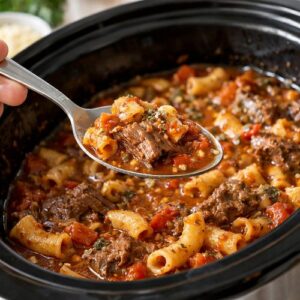
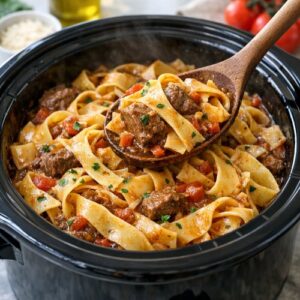
- About 15-20 minutes before serving, cook your pappardelle according to package directions, aiming for al dente (just tender with a slight bite). Reserve about 1 cup of pasta water before draining. Gently reheat your beef sauce if it's been sitting. Toss the hot pasta with the beef ragù, adding pasta water a splash at a time until you reach your preferred consistency. The starchy pasta water helps the sauce cling beautifully to each strand. Divide among bowls or plates, top with freshly grated Parmigiano-Reggiano and fresh parsley if desired, and serve immediately.
Notes
FAQs
Can I make this on the stovetop instead of using a slow cooker?
Absolutely. Follow Steps 1-4 exactly as written, then instead of transferring to a slow cooker, reduce the heat to very low, cover the pot partially (leaving it slightly ajar), and let it simmer on the stovetop for 1.5 to 2 hours until the beef is fork-tender. Check the liquid level every 30 minutes and add a splash of broth if it’s reducing too quickly. The timing might be slightly shorter than a slow cooker because stovetop heat is more direct. The flavor will be identical.
Why is my sauce too thin?
The 30-minute uncovered reduction is specifically designed to thicken the sauce. If yours remains thin after that step, either your slow cooker runs cool (try extending that time another 15 minutes), or you’re using a thinner broth. You can also mix 1 tablespoon of cornstarch with 2 tablespoons of cold water to create a slurry, whisk it into the simmering sauce, and cook for 2-3 minutes until thickened. Taste afterward—you might need additional seasoning after the thickener dilutes flavors slightly.
Can I use ground beef instead of chunks?
You can, but it won’t be the same dish. Ground beef will cook into small particles and become mushy after hours in the slow cooker. The texture will resemble traditional Bolognese more than ragù. If you’re willing to accept that difference, brown 2.5 pounds of ground beef in the first step, drain any excess fat, then proceed as written. The cooking time will be shorter—maybe 45 minutes to 1 hour instead of 2 hours. I wouldn’t recommend it, but it’s not impossible.
What if I want to add red pepper flakes for heat?
Add ¼ to ½ teaspoon of red pepper flakes during Step 4 (when you add the tomatoes), depending on your heat tolerance. Start with ¼ teaspoon; you can always add more during final seasoning, but you can’t remove heat once it’s incorporated. The heat will intensify slightly as it cooks, so taste conservatively early on. Fresh chili peppers work too—add 1 diced serrano or jalapeño during the soffritto step.
Is this recipe safe for someone with a shellfish allergy?
Yes, this recipe contains no shellfish or shellfish derivatives. However, check your specific beef broth brand—some add fish or shellfish-derived ingredients as flavoring
