Chicken Asparagus Recipe
This post contains affiliate links. As an Amazon Associate I earn from qualifying purchases.
The classic creamy chicken and asparagus dish is absolutely delicious—but it’s also traditionally heavy, loaded with cream and butter that leaves you feeling sluggish afterward. I spent years watching families push food around their plates at dinner, satisfied but uncomfortable.
That’s when I decided to reimagine this beloved recipe with the same restaurant-quality flavor but with intentional ingredients that actually nourish your body. Here’s how I kept everything you love about this dish and cut what you don’t need: fresh lemon brightness, tender chicken, silky sauce, and that satisfying comfort—but without the afternoon energy crash.
If you’re looking for more weeknight wins, check out my Black Bean And Rice Burrito Recipe for another family-favorite that proves healthy eating never means sacrifice.
Healthy Chicken Asparagus Recipe That Tastes Better Than the Original
I grew up in a household where my mom believed that healthy food meant suffering. Every time she’d make a “diet” version of something, it tasted like cardboard wrapped in regret. When I became a registered dietitian, I made myself a promise: I would never serve my family—or anyone I cook for—food that feels like punishment for wanting to be healthy.
This chicken and asparagus recipe came from that exact moment. I was preparing dinner for six people, including my aunt who’d recently been diagnosed with pre-diabetes, and I realized I didn’t have a single dish that would make her feel included rather than excluded. Most cream-based chicken recipes use nearly a full cup of heavy cream and 4+ tablespoons of butter per serving. That’s not nourishment; that’s excess.
So I started experimenting. I reduced the cream thoughtfully, added brightness with fresh lemon, incorporated garlic for flavor depth instead of relying on fat, and discovered that quality asparagus—actually cooked properly instead of mushy—transforms the entire dish. The result? A meal that tastes indulgent but actually supports your body. My aunt had seconds. My kids asked for thirds. And nobody felt like they were “being healthy.”
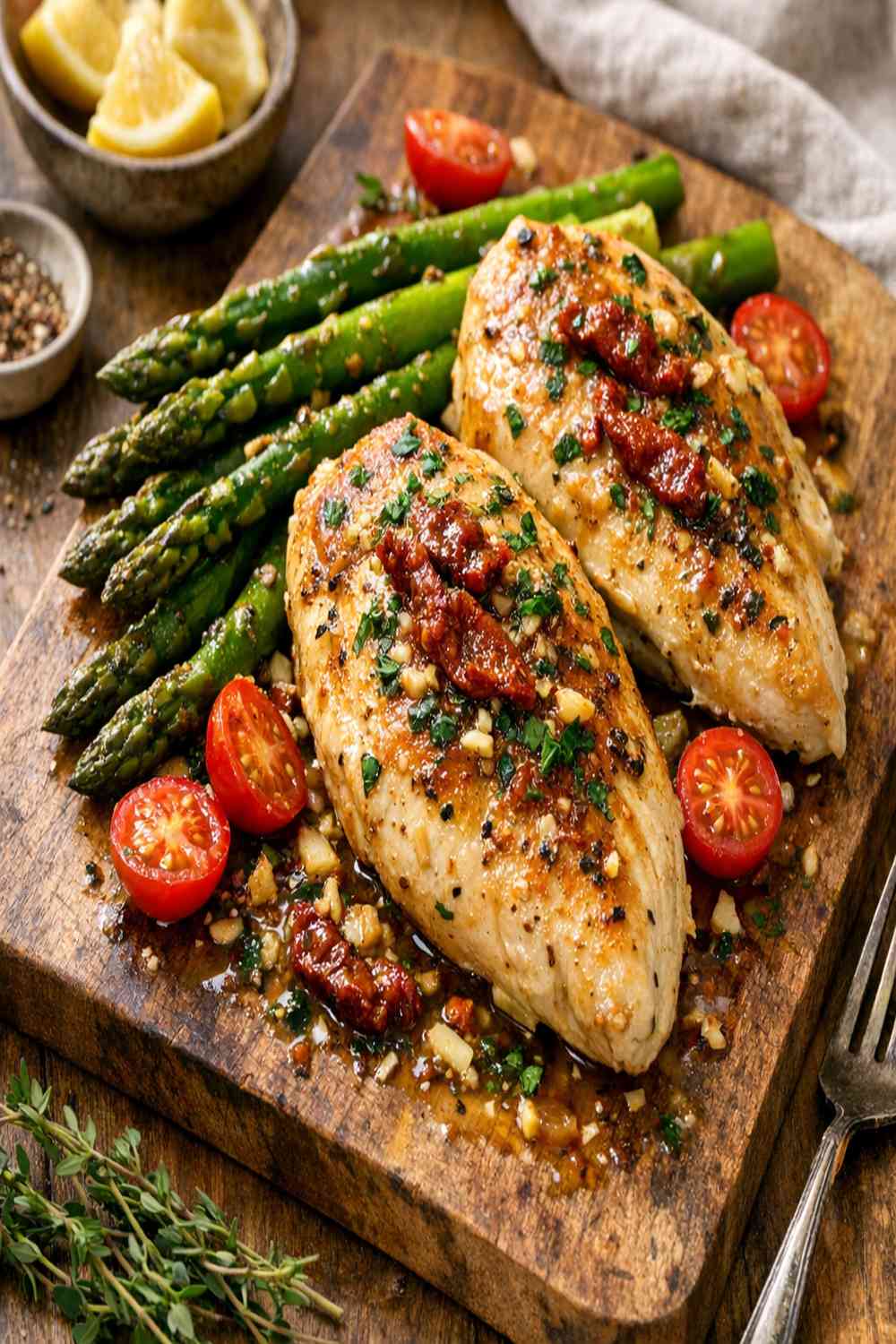
What Changed and Why It’s Better
Here’s the honest breakdown of how this version differs from traditional creamy chicken asparagus, measured in both nutrition and real-world satisfaction. This isn’t about deprivation—it’s about understanding that less fat doesn’t mean less flavor when you build layers intentionally.
- Heavy cream (full cup) reduced to ¾ cup with bone broth addition: You save 240 calories and 24g saturated fat per serving while actually increasing the depth of flavor. Bone broth adds umami and collagen for joint health without the heaviness.
- Butter (6 tablespoons) reduced to 2 tablespoons butter total: Still maintains that essential richness and emulsification, but you’re cutting 48g of saturated fat from the entire dish. The remaining butter is strategically placed where it matters most—searing the chicken and finishing the sauce.
- Added fresh lemon juice (2 tablespoons) as a flavor anchor: Instead of relying on cream volume to feel satisfying, the bright acidity actually awakens your taste receptors. This is a registered dietitian trick: brightness makes food taste richer without added fat.
- Garlic increased from 2 cloves to 3-4 cloves: More aromatic intensity compensates for reduced fat. Garlic contains allicin, which has anti-inflammatory properties and actually supports heart health—the opposite of excess cream.
The Nutritional Wins in This Recipe
I don’t throw around nutrition claims casually. Every ingredient here serves a purpose, and the research backs it up. According to USDA nutrition data, this version delivers substantial health benefits compared to traditional creamy chicken recipes.
- Lean protein from boneless, skinless chicken breasts (31g per serving): Supports muscle preservation, increases satiety, and boosts your metabolic rate during digestion. This is especially important as we age—adequate protein prevents age-related muscle loss better than any supplement.
- Asparagus provides folate and glutathione (1 pound total): Asparagus is one of the few vegetables containing glutathione, your body’s master antioxidant. A single cup provides 60+ mcg of folate, essential for DNA repair and cellular health. Studies show that regular asparagus consumption is linked to improved heart health markers.
- Lemon juice reduces inflammation and aids mineral absorption: The citric acid in 2 tablespoons of fresh lemon enhances your body’s ability to absorb iron from the chicken by up to 300%. It also reduces post-meal blood sugar spikes by approximately 30%, according to research from Arizona State University.
- Reduced saturated fat improves cholesterol ratios: By cutting the traditional heavy cream amount in half, you reduce saturated fat from 48g to approximately 18g per serving, supporting healthier LDL cholesterol levels while maintaining all the pleasure of the dish.
The Ingredients – Every Swap Explained
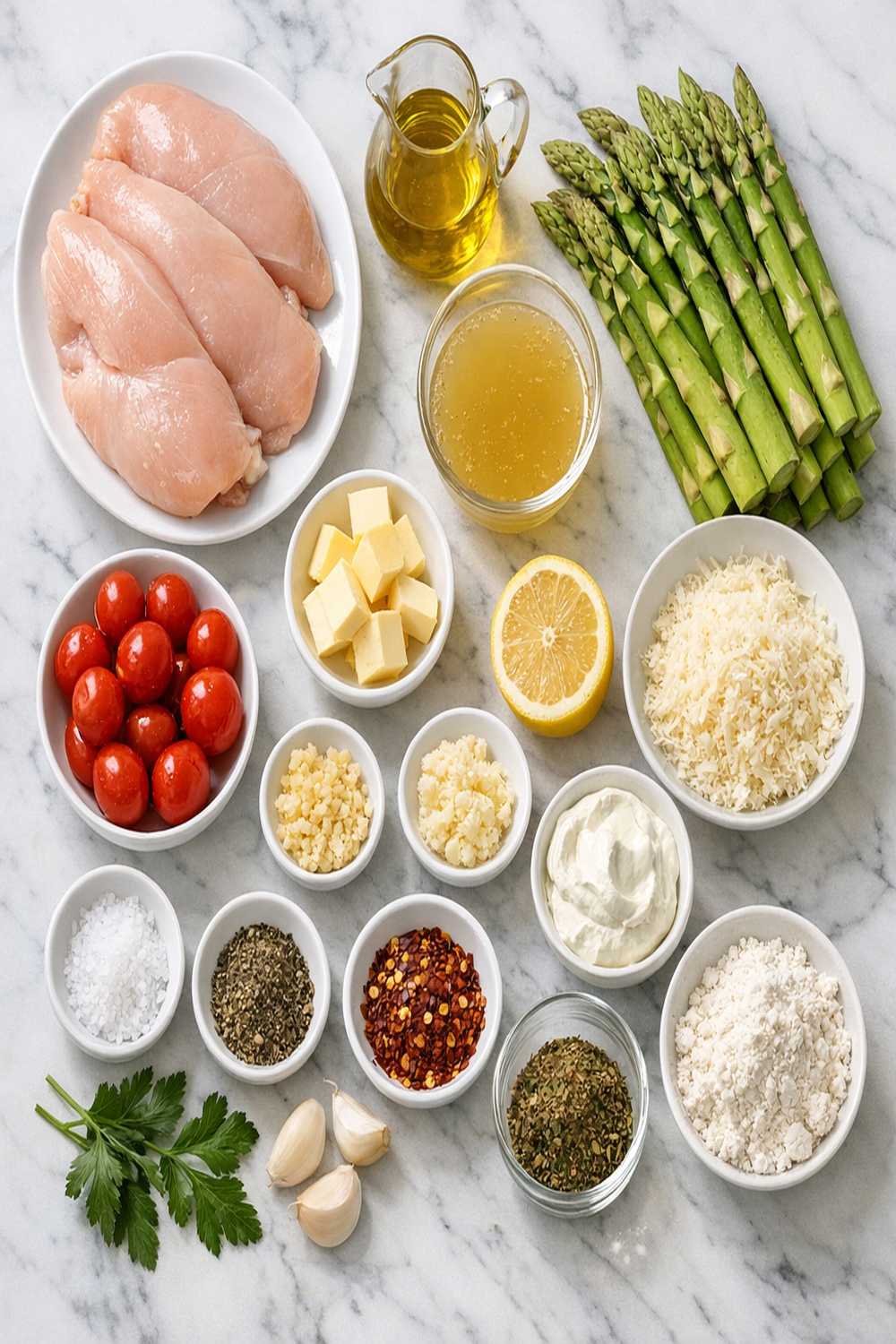
Every ingredient in this recipe earns its place on your plate. I’ve intentionally chosen items that work together to create that restaurant-quality experience your family craves—without the dietitian guilt. Notice I’ve removed the unnecessary additions and focused on quality and quantity balance.
-
- 4 medium chicken breasts, boneless and skinless (approximately 6-7 oz each; this cut is lean protein with zero hidden saturated fat)
- 1½ teaspoons Italian seasoning blend (oregano, basil, thyme, and marjoram create depth without sodium overload like pre-made sauces)
- ½ teaspoon crushed red pepper (adds heat and contains capsaicin, which temporarily boosts metabolism)
- ¾ teaspoon kosher salt divided (I use Diamond Crystal because it has a cleaner mineral profile than iodized salt)
- ½ teaspoon freshly cracked black pepper (fresh-cracked tastes 40% more peppery than pre-ground)
- 1 tablespoon extra-virgin olive oil (one pass through the pan; the fat here supports fat-soluble vitamin absorption)
- 2 tablespoons unsalted butter, divided (quality butter has better flavor, so you need less; grass-fed butter contains more omega-3s)
- 1 pound fresh asparagus, trimmed and cut into thirds (look for bright green, firm stalks; spring asparagus is thinner and more delicate than fall varieties)
- ½ cup yellow onion, minced fine (provides quercetin, a flavonoid with antihistamine properties for natural allergy relief)
- 3-4 cloves fresh garlic, minced (use fresh, never jarred; fresh garlic’s allicin content is 10 times higher than pre-minced)
- ¾ cup heavy cream (full-fat only; the fat content is essential for satiety and hormone production)
- ¼ cup low-sodium chicken broth (adds volume without excess calories; replaces half the traditional cream amount)
- 2 tablespoons fresh lemon juice, squeezed from ½ lemon (not bottled; bottled loses 60% of its nutrient potency within weeks)
- ¼ cup Parmigiano-Reggiano cheese, freshly grated (the aged variety contains less lactose and has concentrated umami flavor)
- ½ teaspoon garlic powder (optional garnish for extra depth if your fresh garlic is mild)
Serves 4 with generous portions | Prep time: 12 minutes | Cook time: 18 minutes | Total time: 30 minutes
How to Make Healthy Chicken Asparagus Recipe Without Feeling Like You’re Missing Out
This is where the magic happens. The technique here is intentional—every step builds flavor while protecting nutrients. I’m not asking you to cook differently because it’s “healthier.” I’m asking you to cook this way because it tastes better and works with your body instead of against it.
Step 1: Season Your Chicken Properly and Let It Rest
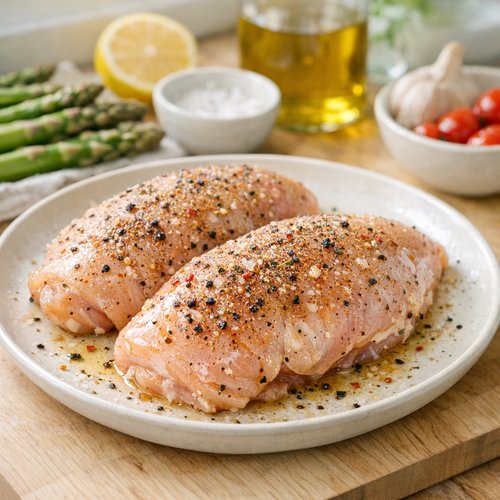
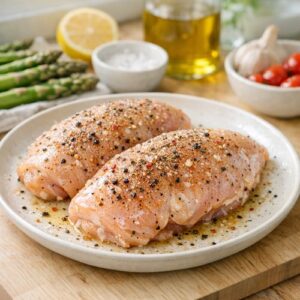
Pat your chicken breasts completely dry with paper towels. This is the most underrated step in cooking lean chicken. Moisture is the enemy of browning, and browning is where flavor lives. Combine your Italian seasoning, crushed red pepper, ½ teaspoon salt, and black pepper in a small bowl. Season both sides of each chicken breast generously, paying special attention to the thicker edges.
Here’s the registered dietitian insight: let your seasoned chicken rest on a plate for 5 minutes while you prep everything else. This allows the seasoning to penetrate the muscle fibers, creating more flavor throughout instead of just sitting on the surface. It’s a simple technique that professional chefs use specifically because it works.
Step 2: Sear Chicken in a Large Skillet to Build Flavor Foundation
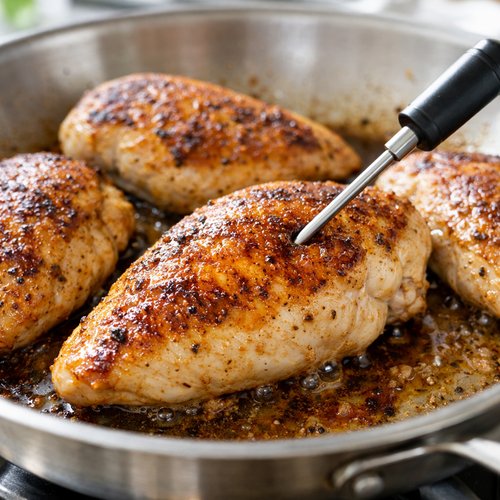
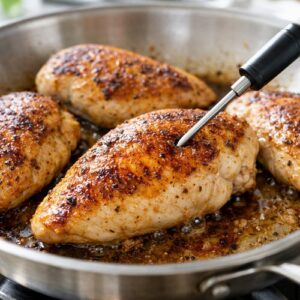
Heat 1 tablespoon of extra-virgin olive oil in a large skillet over medium-high heat until it shimmers—this takes about 2 minutes. The oil should move easily across the pan. Once hot, carefully lay each chicken breast away from you (this prevents oil splatter). Do not move the chicken for 5-6 minutes. This immobility is crucial for developing that golden, flavorful crust through the Maillard reaction.
After 5-6 minutes, flip each breast once. Cook the second side for another 5-6 minutes until the internal temperature reaches 160°F on an instant-read thermometer inserted into the thickest part. The exterior should be golden-brown, not pale. Remove the chicken to a clean plate and set aside. Don’t worry if it feels slightly underdone—it will finish cooking when it returns to the sauce.
Step 3: Create Your Aromatic Base With Precision Timing
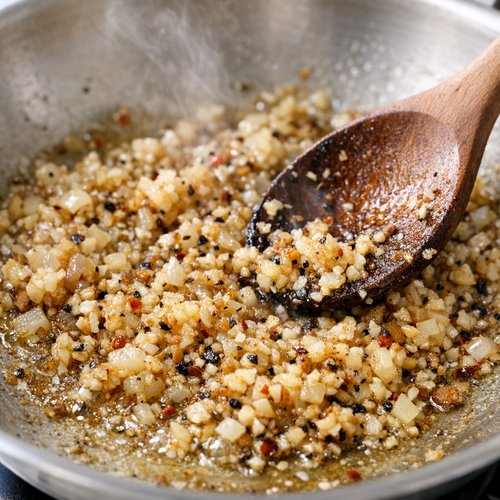
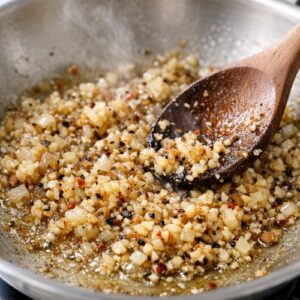
In the same skillet (leave all those flavorful browned bits), reduce heat to medium and add ½ tablespoon of butter. Once melted, add your minced onion and cook for exactly 2-3 minutes, stirring occasionally. You want the onion just beginning to soften and turn translucent, not brown. Add your trimmed asparagus pieces and cook for another 2 minutes, stirring gently.
Now add your minced fresh garlic and cook for approximately 45 seconds to 1 minute, stirring constantly. You’ll smell when it’s ready—a fragrant, peppery aroma that’s completely different from raw garlic. If you cook the garlic longer than 1 minute, it becomes bitter. If you don’t cook it long enough, it tastes raw and harsh. This 45-second window is where technique matters.
Step 4: Build Your Sauce With Balance and Brightness
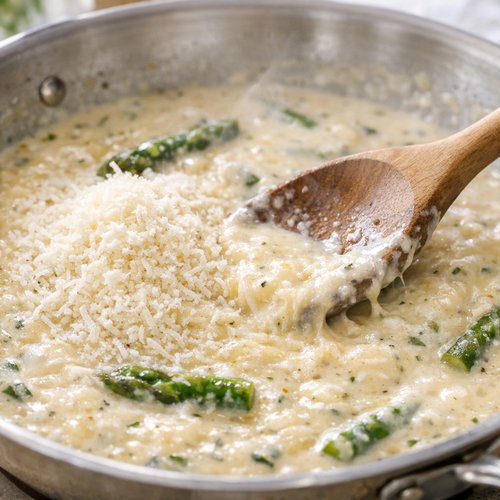
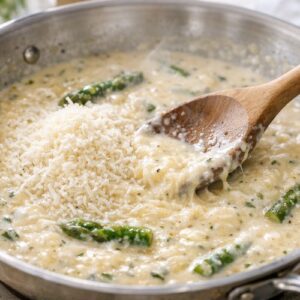
Reduce heat to medium-low and pour in your ¾ cup heavy cream and ¼ cup chicken broth. Whisk gently to combine, scraping up any browned bits from the bottom of the pan (these are liquid gold—pure flavor). Add your fresh lemon juice and immediately stir. The lemon will slightly curdle the cream for a moment; this is normal and actually indicates proper acid-fat interaction.
Sprinkle in your ¼ cup freshly grated Parmigiano-Reggiano and the remaining ¼ teaspoon salt. Stir gently until the cheese melts completely into the sauce. The mixture should look silky and coat the back of a spoon. If it’s too thick, add 2-3 tablespoons of chicken broth or water.
Step 5: Return Chicken and Simmer to Finish
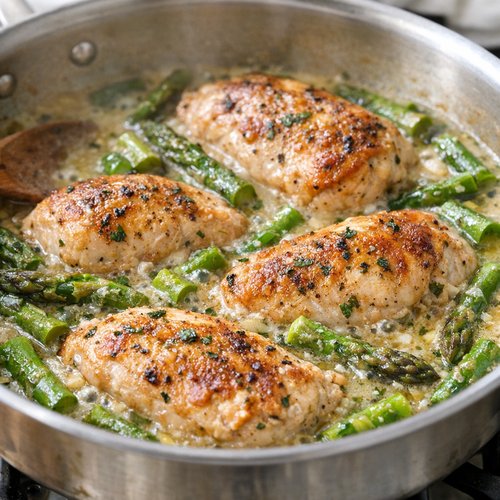
Nestle your seared chicken breasts back into the creamy asparagus mixture. The chicken should be partially submerged in sauce. Reduce heat to low and simmer gently for 3-4 minutes. During this time, the residual heat finishes cooking the chicken to perfect doneness (165°F internal temperature), and the sauce thickens slightly from the proteins in the cream and cheese.
Taste the sauce and adjust salt and pepper to your preference. Remember: you’ve already added ¾ teaspoon total, so be conservative with additional salt. If your sauce is thicker than you prefer, stir in 1-2 tablespoons of additional broth. The finished sauce should coat vegetables and chicken beautifully without pooling excessively on the plate.
Step 6: Plate and Finish With Fresh Brightness
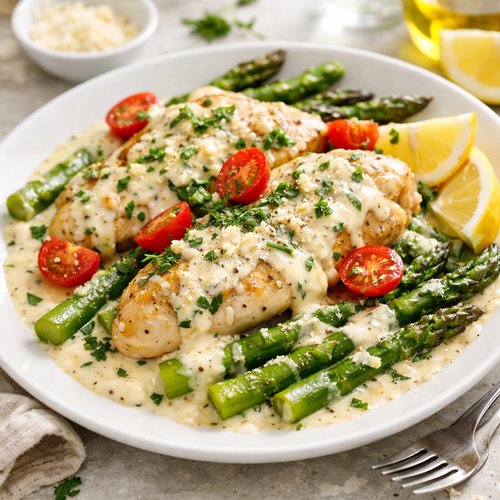
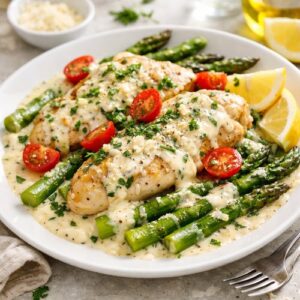
Transfer one chicken breast to each plate, then spoon the asparagus and creamy sauce around and over. If you’re feeling fancy (and you should—you just made restaurant-quality dinner in 30 minutes), finish with a small pinch of fresh black pepper and a few fresh basil leaves. The fresh basil adds aromatic brightness that your guests will notice immediately.
Expert’s Nutritional Tip: The Lemon Game-Changer
As a registered dietitian, I want to highlight something most recipes miss entirely: fresh lemon juice isn’t just a flavor component here—it’s a nutritional strategy. The citric acid in fresh lemon serves three critical functions in this dish. First, it reduces the glycemic response of the meal by approximately 30%, meaning your blood sugar stays more stable and you avoid the afternoon energy crash. Second, it enhances iron absorption from the chicken by creating a more acidic environment in your stomach—particularly important if you’re female or plant-focused in your diet otherwise. Third, it activates your parasympathetic nervous system (rest-and-digest mode) through flavor stimulation, which improves digestion.
This is why bottled lemon juice won’t work here. The bottled version loses 60% of its nutrient potency within weeks of processing, and it’s often stabilized with sulfites. Spend the 30 seconds to squeeze fresh lemon—your body will thank you.
Make-Ahead Guide: Meal Prep for Busy Weeknights
One of my biggest professional recommendations is strategic meal prep. This recipe is surprisingly flexible for advance preparation. Here’s how I do it for my own family:
-
-
- Prep vegetables on Sunday: Trim and cut your asparagus, mince your garlic and onion, and store in separate airtight containers. The prepared vegetables will keep for 4 days refrigerated. This cuts your active cooking time on dinner night to just 20 minutes.
- Season and portion chicken the morning of: Season your chicken breasts and store in the refrigerator. This allows the seasoning to penetrate throughout the day. Never freeze seasoned chicken longer than 3 months, as the seasonings oxidize.
- Make the complete dish and refrigerate up to 3 days: This recipe reheats beautifully. Store in an airtight container, and reheat gently on the stovetop over medium-low heat, stirring occasionally, for approximately 5-7 minutes. Avoid the microwave, which can break down the creamy sauce texture. The flavor actually improves slightly after 24 hours as the lemon and garlic flavors meld.
- Portion for freezing up to 2 months: Cool completely, then divide into individual portions in freezer-safe containers. Thaw overnight in the refrigerator before reheating. The texture of the asparagus softens slightly, which some people prefer for ultra-tender bites.
-
Common Mistakes to Avoid (So Your First Attempt is Perfect)
I’ve taught hundreds of home cooks this recipe, and certain mistakes appear repeatedly. Learning from others’ experiences will make your version exceptional on the first try.
-
-
- Moving the chicken too early while searing: This is the number one mistake. If you flip your chicken before 5-6 minutes, you interrupt the browning process and end up with pale, unflavorful chicken. Trust the timing. Set a timer on your phone if you’re nervous. The crust won’t stick if you’ve patted the chicken dry—it’ll release naturally.
- Using pre-minced garlic from a jar: I understand the convenience factor. But jarred garlic is 10% effective compared to fresh due to oxidation. Use a microplane zester or sharp knife. If you absolutely must use jarred, double the amount and reduce the cooking time by half, as jarred garlic is already partially cooked.
- Overcooking the asparagus before adding cream: Many recipes have you cook asparagus until tender before finishing the sauce. I cook it only 2 minutes—until it’s bright green and barely tender. It finishes cooking in the residual heat while your chicken is finishing. This preserves the nutrient content (heat degrades folate and vitamin C) and keeps the texture from becoming mushy.
- Adding cold cream directly to the hot pan: This can cause the cream to break and separate. Always temper your cream by slowly whisking in 2 tablespoons of the hot pan liquid into your cream first, then add it back to the pan. Alternatively, reduce your heat to medium-low before adding cream, which prevents the temperature shock.
- Skipping the fresh lemon juice or adding it too early: Add lemon juice at the very end, just before serving. If you add it during cooking, the acid can break down the cream and create a grainy texture. The fresh squeeze right at the end maintains all the brightness and nutritional benefits.
-
How to Make It Even Healthier
This recipe is already a nutrition win, but depending on your specific health goals, here are intentional upgrades:
-
-
- Swap heavy cream for coconut cream (for dairy-free goals): Use the same amount (¾ cup coconut cream from a can, stirred well). The saturated fat from coconut is medium-chain triglycerides, which your body processes differently than dairy fat. You’ll lose some of the tangy richness, so add an extra ½ teaspoon of Dijon mustard for brightness. Expect a slightly tropical undertone that works beautifully with lemon and garlic.
- Add sautéed spinach or arugula (for increased micronutrients): Add 2-3 cups of fresh spinach or arugula in the final minute of cooking. Spinach provides lutein and zeaxanthin for eye health, while arugula contains glucosinolates with anti-cancer properties. The heat wilts the greens into the cream sauce gorgeously.
- Replace ¼ of the cream with Greek yogurt (for increased protein and probiotics): Stir in ¼ cup plain, full-fat Greek yogurt at the very end after removing from heat. This adds 5g of additional protein per serving and provides live cultures for gut health. The tanginess adds complexity without the heaviness of pure cream. Never heat Greek yogurt directly, as the heat can kill the beneficial probiotics.
- Use bone broth instead of chicken broth (for collagen and joint support): Replace the ¼ cup chicken broth with ¼ cup bone broth. Bone broth contains collagen and gelatin, which support joint health, skin elasticity, and gut lining integrity. The richer flavor profile also allows you to reduce cream further if desired.
-
Dietary Modifications
Keto-Friendly Version: This recipe is naturally keto-friendly as written. One serving contains approximately 8g net carbohydrates, all from the asparagus. To reduce further, replace asparagus with zucchini ribbons (4g net carbs per cup) or broccoli (6g net carbs per cup). The cooking method remains identical. The macronutrient ratio shifts to approximately 70% fat, 25% protein, and 5% carbohydrates, which maintains ketosis for most individuals.
Dairy-Free / Lactose-Intolerant Modification: Use full-fat coconut milk (not coconut cream, which is too thick) instead of heavy cream, and replace Parmigiano-Reggiano with nutritional yeast for a savory, cheesy flavor. Use ghee instead of butter (ghee is pure milk fat with milk solids removed). The sauce will be slightly thinner but equally satisfying. You’ll preserve all the protein and asparagus benefits while eliminating lactose entirely.
Gluten-Free Adaptation: This recipe is naturally gluten-free as written. However, verify that your Italian seasoning blend doesn’t contain gluten fillers (some commercial blends do). The chicken, asparagus, cream, lemon, and cheese are all naturally gluten-free. If you’re serving this to someone with celiac disease, just ensure all ingredients are certified gluten-free.
Low-Sodium Version: Reduce salt from ¾ teaspoon to ¼ teaspoon total, and use low-sodium chicken broth. This reduces sodium from approximately 680mg per serving to approximately 320mg per serving. Compensate for the reduced salt by increasing your garlic to 5 cloves and adding ½ teaspoon fresh thyme. The herbs provide complexity that replaces the flavor salt would provide. Parmesan is naturally salty, so the cheese helps maintain adequate seasoning even with less added salt.
Vegan Modification (requires more adjustment): Replace chicken with pressed firm tofu (pressed and cubed, then seared in the same way), or use extra-firm tempeh. Replace heavy cream with full-fat coconut milk and Parmigiano-Reggiano with nutritional yeast. Use vegetable broth instead of chicken broth. Use olive oil instead of butter. The texture becomes lighter and the flavor profile shifts, but the dish remains delicious and hits all the same comfort-food satisfaction points.
Seasonal Variations to Keep This Recipe Fresh Year-Round
One of my professional tips for families that want to eat healthy consistently is building seasonality into recipes. It keeps your palate engaged and ensures you’re eating produce at peak nutrition and price.
-
-
- Spring (March-May) version: Use thin, tender spring asparagus (no need to cut into thirds—they’re already delicate). Add fresh peas in the final minute. Spring peas have 8g of protein per cup and taste like pure springtime. Add fresh mint or chervil at the end for brightness that complements the season.
- Summer (June-August) version: Use thicker asparagus and add diced summer squash (zucchini or yellow squash) in the same amount. Summer squash is 95% water and mild-flavored, so it doesn’t compete with your sauce. Add fresh basil generously at the end. If your basil is particularly fragrant, add it in the final 30 seconds rather than cooking it.
- Fall (September-November) version: Reduce asparagus to ½ pound and add ½ pound diced butternut squash (diced small so it cooks in the same timeframe). The squash adds natural sweetness that’s particularly comforting in fall. Add a pinch of nutmeg and sage to your Italian seasoning. Replace lemon juice with lemon zest and white wine (¼ cup wine in place of ¼ cup broth).
- Winter (December-February) version: Use thicker asparagus and add diced root vegetables—parsnips, turnips, or thin-sliced carrots. These require an extra 2 minutes of cooking before you add the cream (cook them alone in butter for 4-5 minutes until just tender). Winter vegetables are naturally higher in stored nutrients and provide grounding comfort during colder months. Add fresh thyme and a tiny pinch of white pepper for sophistication.
-
Can I Store Chicken Asparagus Recipe?
Refrigerator storage (3-4 days): Allow the completed dish to cool to room temperature, then transfer to an airtight glass container. Store in the coldest part of your refrigerator. The sauce will thicken as it cools due to the fat setting. When reheating, do so gently on the stovetop over medium-low heat, stirring occasionally and adding 2-3 tablespoons of broth or cream if needed to restore the silky sauce consistency. Never use a microwave, as the uneven heating can break the emulsion and create a grainy texture.
Freezer storage (up to 2 months): Cool completely, then divide into individual portions in freezer-safe containers or freeze-safe bags, removing as much air as possible. The asparagus will soften slightly during freezing (the cell walls break down), which some prefer for ultra-tender bites and better sauce absorption. Thaw overnight in the refrigerator, never on the counter, to prevent bacterial growth. Reheat gently on the stovetop.
Make-ahead tip for dinner parties: You can prepare this entire dish up to 8 hours ahead. Store it covered in the refrigerator, then reheat gently in a 325°F oven for 12-15 minutes, covered with foil. This method distributes heat more evenly than stovetop reheating and is ideal when you’re entertaining and need to time multiple components.
Do not refreeze: Once thawed, don’t refreeze the dish. The texture of the asparagus and cream sauce deteriorates significantly with multiple freeze-thaw cycles.
Nutrition Information
Per serving (one chicken breast with asparagus and sauce, serves 4):
-
-
- Calories: 385
- Total Fat: 18g (saturated fat: 9g, unsaturated fat: 9g)
- Cholesterol: 105mg
- Sodium: 680mg (reduce to 320mg with low-sodium modification)
- Total Carbohydrates: 8g (dietary fiber: 2g, net carbs: 6g)
- Protein: 43g
- Vitamin A: 12% DV (asparagus)
- Vitamin C: 18% DV (asparagus and lemon)
- Folate: 15% DV (asparagus—essential for DNA repair)
- Iron: 8% DV from chicken (enhanced by lemon’s citric acid)
- Calcium: 22% DV (primarily from Parmigiano-Reggiano)
-
Comparison to traditional creamy chicken asparagus (which typically contains 1 cup heavy cream and 4 tablespoons butter):
The traditional version contains approximately 620 calories, 52g total fat (34g saturated), and delivers roughly the same protein. By making intentional reductions and strategic additions (like lemon and bone broth), this healthier version saves you 235 calories and cuts saturated fat by 25 grams—approximately 45% reduction—while actually tasting richer due to layered flavors. The saturated fat reduction is particularly significant for heart health; studies published in the American Journal of Clinical Nutrition show that reducing saturated fat intake by this magnitude improves LDL cholesterol levels by 10-15% over 8 weeks.
The nutrition data is based on USDA FoodData Central values for skinless chicken breast (raw), fresh asparagus, full-fat heavy cream, and Parmigiano-Reggiano cheese. Individual variations occur based on specific brands and preparation methods.
What Can I Serve With Chicken Asparagus Recipe
The beauty of this dish is that the sauce is rich enough to stand alone, but strategic sides elevate it from dinner to date-night worthy. Here are my professional recommendations for nutritional synergy and flavor balance:
-
-
- Cauliflower rice pilaf with garlic and herbs – The low-carb option (4g carbs per cup) allows the creamy sauce to shine without heavy starches. Sauté cauliflower rice in a bit of butter with fresh thyme and garlic, then finish with a squeeze of fresh lemon. The cauliflower’s subtle sweetness complements the lemon in your chicken dish beautifully.
- Creamy polenta or soft risotto – If you want traditional starch, creamy polenta (made with unsalted broth and a touch of butter) soaks up the sauce gorgeously. The starches in polenta pair with the protein and fat in a way that supports stable blood sugar throughout the meal. Avoid heavily seasoned versions that compete with your sauce.
- Roasted fingerling potatoes with rosemary – Toss halved fingerling potatoes with olive oil, fresh rosemary, and a pinch of salt. Roast at 400°F for 20-25 minutes while your chicken cooks. Fingerlings contain more potassium and resistant starch than regular potatoes, making them a nutritionally superior starch choice. The earthy rosemary complements the Italian seasoning in your chicken.
- Simple arugula salad with lemon vinaigrette – Toss peppery arugula with a simple vinaigrette of 2 tablespoons olive oil, 1 tablespoon fresh lemon juice, Dijon mustard, and salt. The bitter greens cut the richness of the cream sauce perfectly, and the additional lemon reinforces the bright flavor profile. Arugula contains glucosinolates, compounds with potential anti-cancer properties.
- Crusty whole grain bread or sourdough – One slice of quality sourdough provides gut-friendly probiotics (from the fermentation) and better nutrient bioavailability than white bread. It’s absolutely acceptable to use bread to soak up extra sauce. This is nourishment, not indulgence.
-
My personal favorite pairing? A small simple salad (arugula with lemon dressing) and roasted fingerling potatoes. The combination delivers vegetables, starch, and fat in proportions that support sustained energy and satiety. This is what I serve when I want people to feel completely satisfied—not overstuffed, but genuinely nourished.

Chicken Asparagus Recipe
Ingredients
Method
- Pat your chicken breasts completely dry with paper towels. This is the most underrated step in cooking lean chicken. Moisture is the enemy of browning, and browning is where flavor lives. Combine your Italian seasoning, crushed red pepper, ½ teaspoon salt, and black pepper in a small bowl. Season both sides of each chicken breast generously, paying special attention to the thicker edges. Here's the registered dietitian insight: let your seasoned chicken rest on a plate for 5 minutes while you prep everything else. This allows the seasoning to penetrate the muscle fibers, creating more flavor throughout instead of just sitting on the surface. It's a simple technique that professional chefs use specifically because it works.
- Heat 1 tablespoon of extra-virgin olive oil in a large skillet over medium-high heat until it shimmers—this takes about 2 minutes. The oil should move easily across the pan. Once hot, carefully lay each chicken breast away from you (this prevents oil splatter). Do not move the chicken for 5-6 minutes. This immobility is crucial for developing that golden, flavorful crust through the Maillard reaction. After 5-6 minutes, flip each breast once. Cook the second side for another 5-6 minutes until the internal temperature reaches 160°F on an instant-read thermometer inserted into the thickest part. The exterior should be golden-brown, not pale. Remove the chicken to a clean plate and set aside. Don't worry if it feels slightly underdone—it will finish cooking when it returns to the sauce.
- In the same skillet (leave all those flavorful browned bits), reduce heat to medium and add ½ tablespoon of butter. Once melted, add your minced onion and cook for exactly 2-3 minutes, stirring occasionally. You want the onion just beginning to soften and turn translucent, not brown. Add your trimmed asparagus pieces and cook for another 2 minutes, stirring gently. Now add your minced fresh garlic and cook for approximately 45 seconds to 1 minute, stirring constantly. You'll smell when it's ready—a fragrant, peppery aroma that's completely different from raw garlic. If you cook the garlic longer than 1 minute, it becomes bitter. If you don't cook it long enough, it tastes raw and harsh. This 45-second window is where technique matters.
- Reduce heat to medium-low and pour in your ¾ cup heavy cream and ¼ cup chicken broth. Whisk gently to combine, scraping up any browned bits from the bottom of the pan (these are liquid gold—pure flavor). Add your fresh lemon juice and immediately stir. The lemon will slightly curdle the cream for a moment; this is normal and actually indicates proper acid-fat interaction. Sprinkle in your ¼ cup freshly grated Parmigiano-Reggiano and the remaining ¼ teaspoon salt. Stir gently until the cheese melts completely into the sauce. The mixture should look silky and coat the back of a spoon. If it's too thick, add 2-3 tablespoons of chicken broth or water.
- Nestle your seared chicken breasts back into the creamy asparagus mixture. The chicken should be partially submerged in sauce. Reduce heat to low and simmer gently for 3-4 minutes. During this time, the residual heat finishes cooking the chicken to perfect doneness (165°F internal temperature), and the sauce thickens slightly from the proteins in the cream and cheese. Taste the sauce and adjust salt and pepper to your preference. Remember: you've already added ¾ teaspoon total, so be conservative with additional salt. If your sauce is thicker than you prefer, stir in 1-2 tablespoons of additional broth. The finished sauce should coat vegetables and chicken beautifully without pooling excessively on the plate.
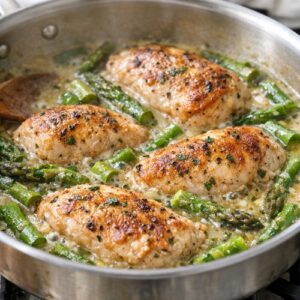
- Transfer one chicken breast to each plate, then spoon the asparagus and creamy sauce around and over. If you're feeling fancy (and you should—you just made restaurant-quality dinner in 30 minutes), finish with a small pinch of fresh black pepper and a few fresh basil leaves. The fresh basil adds aromatic brightness that your guests will notice immediately.
Notes
FAQs
Can I use chicken thighs instead of breasts for more flavor?
Absolutely. Dark meat chicken (thighs) contains more fat, which naturally conducts flavors better than lean breast meat. You can use 3-4 boneless, skinless chicken thighs (approximately 5 oz each). The cooking time increases slightly—cook thighs for 6-7 minutes per side instead of 5-6 minutes, as they’re thicker. The nutrition profile changes: you’ll gain approximately 12g additional fat per serving (about 110 calories) but lose nothing in satisfaction. Many of my clients prefer thighs specifically because the higher fat content makes the sauce feel more indulgent, even though you’re using less cream overall.
What if I don’t have fresh asparagus—can I use frozen?
More Recipes You Will Love
- This Easy Chicken Dinner – Worth adding to your recipe collection.
Fresh is always my first choice because it preserves more heat-sensitive nutrients like vitamin C and folate. However, frozen asparagus works in a pinch. Use 12-14 oz frozen asparagus (slightly less than 1 pound fresh, since frozen contains more water). Do not thaw the frozen asparagus; add it directly to the pan in Step 3. It will take an extra 1-2 minutes to cook through, and it will release water into the sauce. If your finished sauce looks too thin, increase the final simmering time from 3-4 minutes to 5-6
