Ingredients
Method
Step 1: Boil the Pasta
- Start by bringing a pot of water to a rolling boil. Add in a healthy pinch of salt, then drop in that rigatoni. Cook according to the package instructions, usually around 8 to 10 minutes until al dente. Make sure to stir occasionally, so they don't stick.
Step 2: Prepare the Sauce
- While the pasta is cooking, get a small skillet and heat that tablespoon of olive oil over medium heat. Toss in the minced garlic. You want to cook it until it's fragrant, roughly 1-2 minutes. Be attentive here; burnt garlic is a quick way to spoil the dish!
Step 3: Mix in Ricotta
- Once the garlic is ready, reduce the heat to low. Scoop in your ricotta and stir it well with the garlic. Add a splash of pasta water from the pot to achieve the desired creaminess. This step is crucial; it’s the secret to that luscious sauce that will cling to each piece of pasta.
Step 4: Combine the Pasta and Sauce
- When the pasta is done, reserve a little more cooking water, then drain it. Add the pasta to the skillet with the ricotta mixture and toss well to coat. If it feels too thick, add a bit more pasta water and keep stirring until creamy.
Step 5: Final Touches
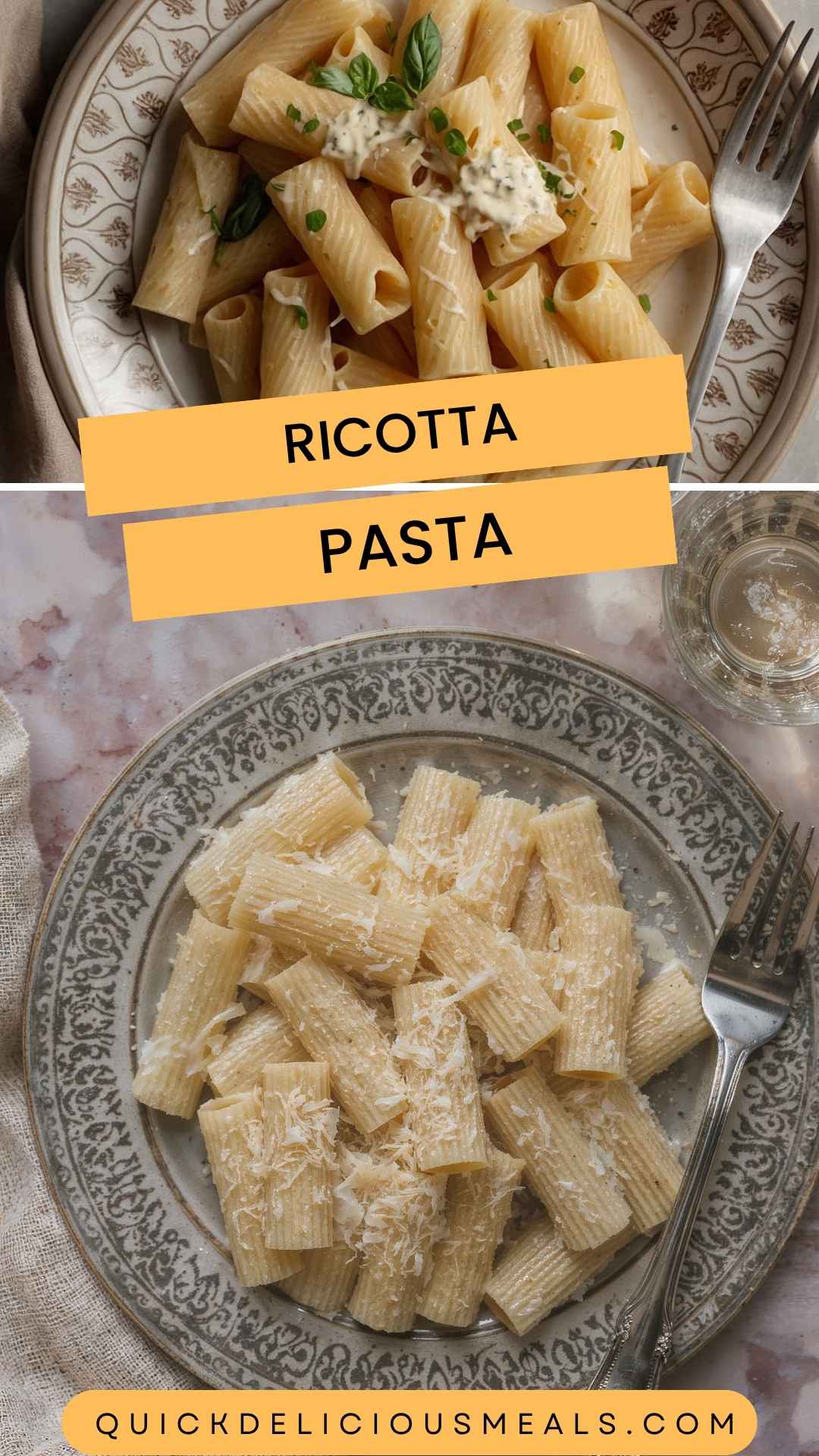
- Finally, sprinkle on your Parmigiano-Reggiano, black pepper, and fresh basil. Stir again for an even distribution of those mouthwatering flavors.
Notes
- Use Fresh Ricotta: If possible, opt for fresh ricotta from the local dairy for an exceptional taste.
- Adjust Consistency: Keep some pasta water handy to thin out the sauce if it becomes too dense.
- Experiment with Herbs: Feel free to swap basil with parsley, chives, or even a touch of oregano for a different flavor profile.
- Toasting Garlic: For extra flavor, toast the garlic lightly before adding it to the olive oil. This enhances its taste.
- Add Veggies: Feel free to throw in some steamed broccoli or spinach for a nutritional boost.