
Ingredients
Method
Step 1: Prep Your Pan and Set Your Oven
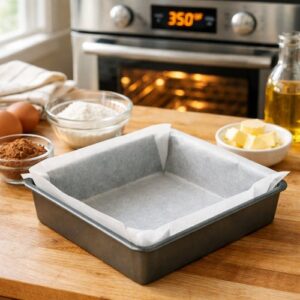
- Start by preheating your oven to 350°F. This lower temperature than conventional brownie recipes prevents over-baking, which dries out the delicate crumb. While the oven heats, line an 8x8-inch square baking pan with parchment paper, leaving an inch of overhang on two sides. This makes removal effortless and prevents sticking. If you don't have parchment, lightly grease with coconut oil spray and dust with cocoa powder—it prevents rust spots from water and adds chocolate flavor to the edges.
Step 2: Melt and Combine Your Fats Gently
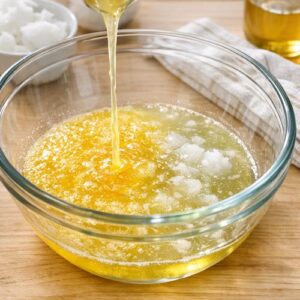
- Pour the melted butter and coconut oil into a large microwave-safe bowl. Do not overheat—if the oils are smoking or above 115°F, you'll damage heat-sensitive nutrients and create a greasy texture. The oils should be warm enough to feel pleasant to the touch, nothing more. Let them sit at room temperature for 2-3 minutes if you've heated them above this. This matters because you're preserving fat-soluble vitamin D in the butter and medium-chain triglycerides in the coconut oil.
Step 3: Create Your Cocoa-Sweetness Base
- Add the mashed banana to your oils, stirring gently until mostly smooth—small lumps are fine and add texture. Now add the coconut sugar and both cocoa powders. Whisk vigorously for 90 seconds, which does two things: it dissolves the sugar crystals (preventing grittiness) and allows the cocoa powders to fully hydrate, releasing their flavor compounds. You should see the mixture turn glossy and darker. This visible change tells you the cocoa has properly integrated.
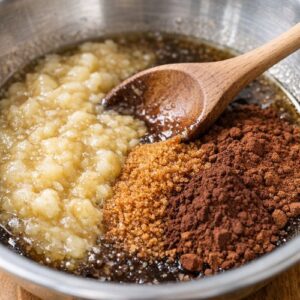
Step 4: Incorporate Your Eggs for Structure
- Add your eggs one at a time, whisking thoroughly after each addition. Spend at least 30 seconds whisking after the second egg—this emulsifies the mixture, meaning the water-based egg and fat-based oils bind together smoothly. You'll notice the batter transform from slightly separated to silky and cohesive. This is crucial because proper emulsification creates a fine crumb structure. Add your vanilla extract and whisk another 20 seconds.
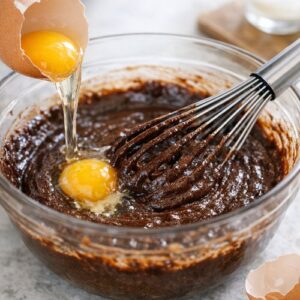
Step 5: Fold In Your Flours Carefully
- Combine your whole wheat pastry flour, almond flour, sea salt, and baking soda in a small bowl. Sift this mixture directly over your wet ingredients, then fold gently using a spatula. Fold until just barely combined—overmixing develops gluten, which creates a dense, cake-like brownie instead of a fudgy one. You want to see a few flour streaks disappear with the last few folds. This restraint is what separates fudgy brownies from dry ones.
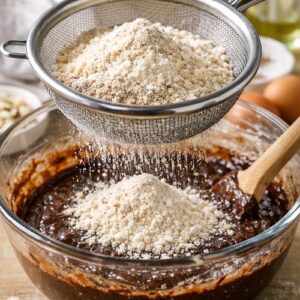
Step 6: Add Your Treasures
- Fold in your walnuts and dark chocolate gently, distributing them evenly. If you're using both, aim for about ¼ cup of each for balanced texture and flavor. The dark chocolate should be chopped into roughly pea-sized pieces—large chunks don't melt properly into the batter.
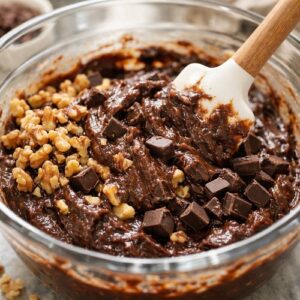
Step 7: Bake With Intention
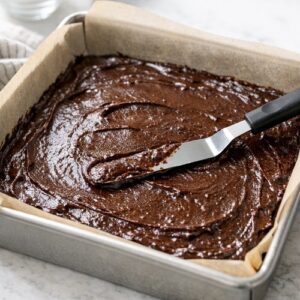
- Spread the batter evenly into your prepared pan using an offset spatula or the back of a spoon. Bake for 20-22 minutes. The center should look barely set when you gently jiggle the pan—there should be the tiniest wobble in the very middle. This is not undercooked; it's perfectly cooked for a fudgy interior. A toothpick inserted should have moist crumbs clinging to it, not a wet batter. Overbaking by even 2 minutes creates dryness, so set a timer and trust it.
Step 8: Cool Completely Before Cutting
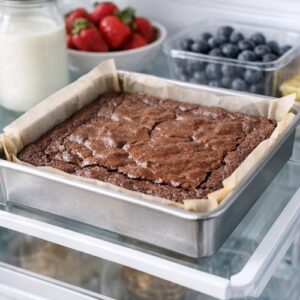
- Let your brownies cool in the pan for 30 minutes at room temperature, then transfer to the refrigerator for at least 1 hour. This isn't laziness—it's chemistry. As brownies cool, their crumb structure sets. Cutting them warm causes crumbling and uneven pieces. Once chilled, use the parchment overhang to lift the entire block out, then cut into 16 squares with a sharp knife, wiping the blade between cuts for clean edges.