Garlic Butter Steak Recipe
This post contains affiliate links. As an Amazon Associate I earn from qualifying purchases.
I’ll never forget the dinner my dad made for our family the night before he started a new job. He was nervous, stressed, but instead of ordering takeout, he stood at the stove and seared two beautiful steaks, finishing them with a golden garlic butter that made our whole kitchen smell like a fine restaurant. That single meal—simple, intentional, delicious—became a family tradition that taught me something crucial: the most meaningful meals don’t require complicated techniques or hours in the kitchen. They require confidence, quality ingredients, and knowing exactly what you’re doing.
That’s why I’m sharing my go-to garlic butter steak recipe with you today. Whether you’re cooking for your partner, impressing dinner guests, or treating yourself after a long week, this dish delivers restaurant-quality results in just 20 minutes. As a registered dietitian, I’ve built this recipe around nutrient-dense beef and heart-healthy fats from real butter—no shortcuts, no processed shortcuts. If you’re looking for other quick beef dishes, check out my Blade Beef Recipe for weeknight efficiency, or keep reading to master this classic.
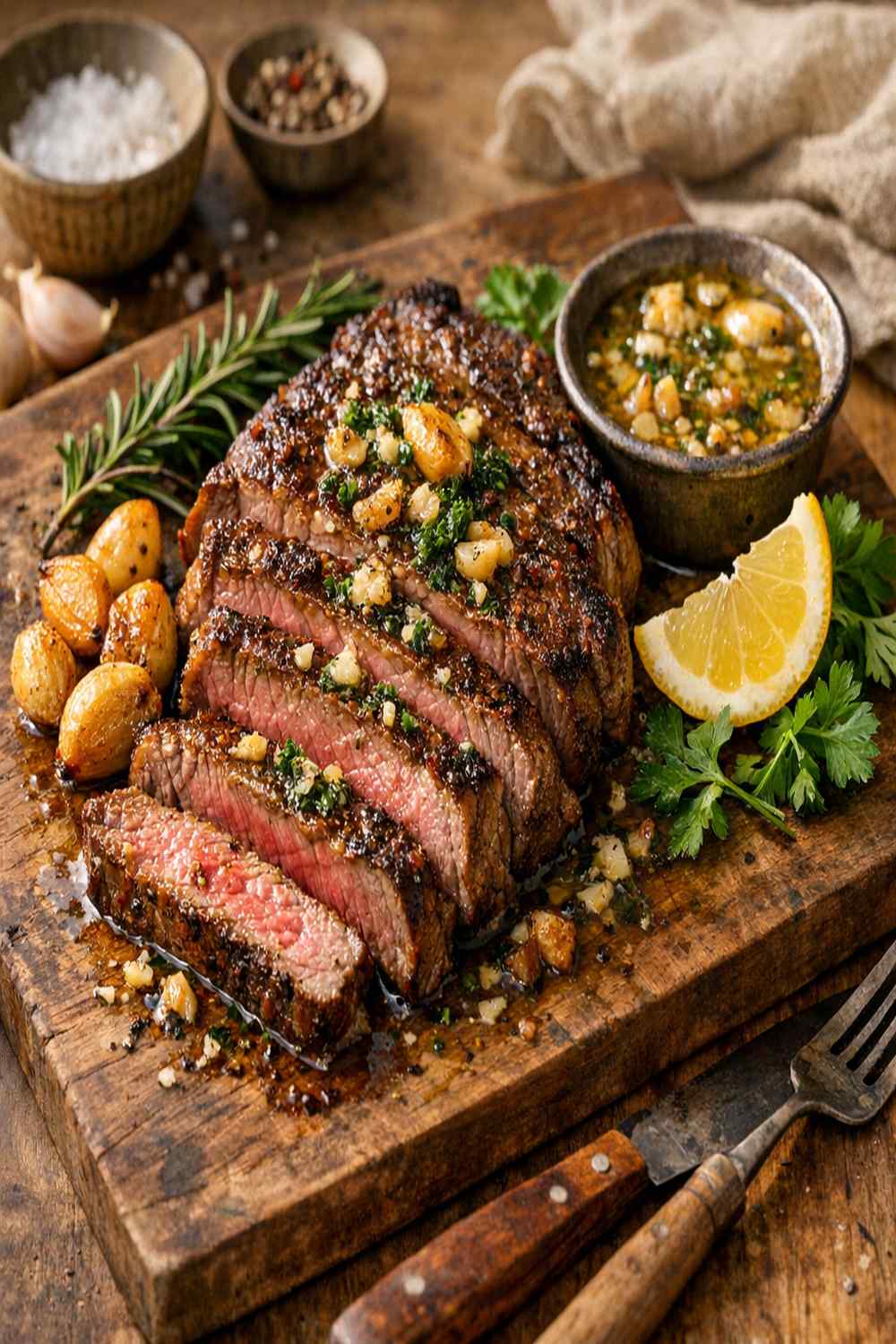
Why You’ll Love This Recipe
- Ready in under 20 minutes – sear time is 12-14 minutes total; garlic butter takes 3 minutes to prepare while beef rests
- Only 6 core ingredients – steaks, butter, garlic, parsley, lemon zest, and seasonings; no pantry hunting required
- Perfectly golden, restaurant-quality crust – a high-heat sear creates that coveted Maillard reaction that makes steaks taste incredible
- Works for any occasion – elegant enough for date night, simple enough for a weeknight dinner, scalable for feeding a crowd
What You Need
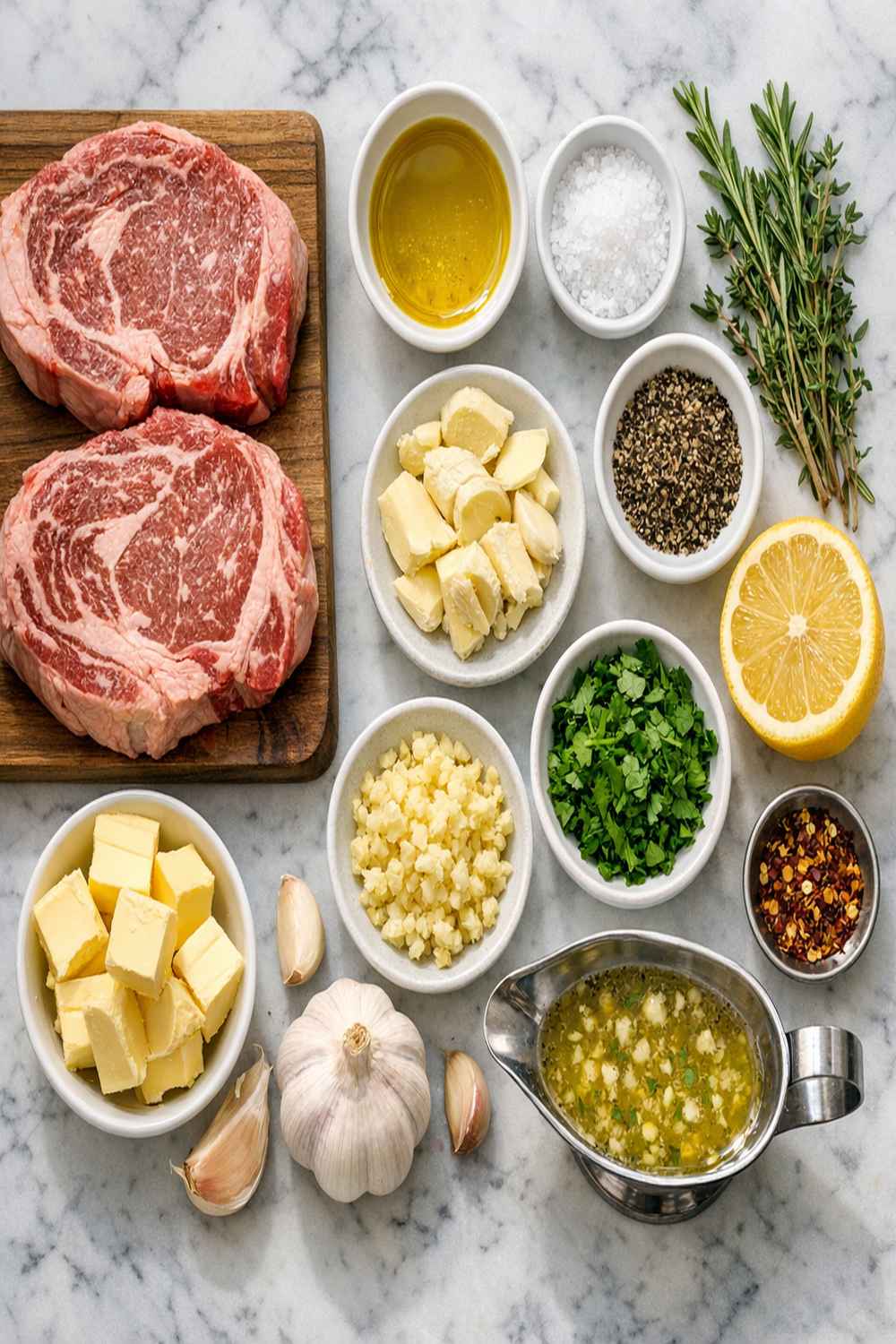
Just 6 simple, wholesome ingredients—this is minimalist cooking at its best:
- 2 sirloin steaks (about 2 pounds total, cut approximately 1.5 inches thick—thicker steaks allow for a perfect crust without overcooking the inside)
- 8 tablespoons unsalted butter (softened to room temperature, never salted butter as it masks the beef’s natural flavors)
- 1 tablespoon finely minced fresh garlic (use a microplane or knife; pre-minced garlic loses potency quickly)
- 2 tablespoons fresh parsley (flat-leaf variety works best; avoid dried parsley which tastes papery)
- 1 teaspoon fresh lemon zest (from an unwaxed lemon, zested just before cooking)
- 2 teaspoons kosher salt (divided: 1 teaspoon for the butter compound, 1 teaspoon for seasoning the steaks)
- 1 teaspoon freshly ground black pepper (grind it yourself; pre-ground loses volatile oils)
- 2 teaspoons neutral cooking oil (avocado oil or refined coconut oil handles high heat without smoking)
How to Make Garlic Butter Steak Recipe in 5 Steps
Here’s exactly how to do it—each step is straightforward, and I’ll walk you through the science behind why it works:
Step 1: Make Your Garlic Butter Compound While the Steaks Sit Out
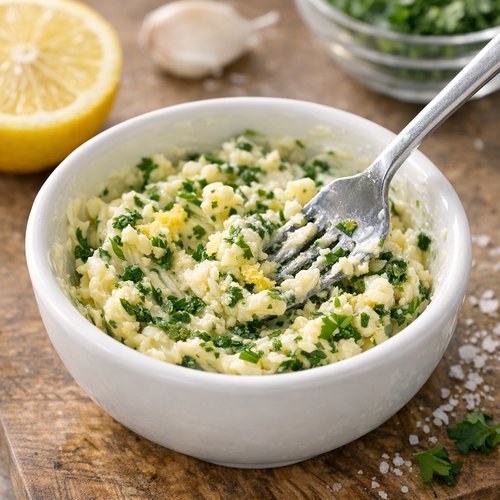
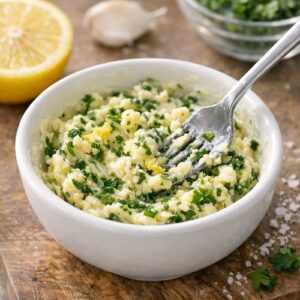
Combine your softened butter, minced garlic, fresh parsley, lemon zest, and salt in a small bowl—I use a fork to mash it all together until the herbs and garlic are evenly distributed throughout the butter. This compound butter can be made up to 2 days ahead and refrigerated, which saves you precious minutes when you’re cooking. The reason we make this first is that it needs to be at room temperature when we finish the steaks, so it melts beautifully and creates that glossy, luxurious finish.
Step 2: Bring Your Steaks to Room Temperature (This Matters More Than You Think)
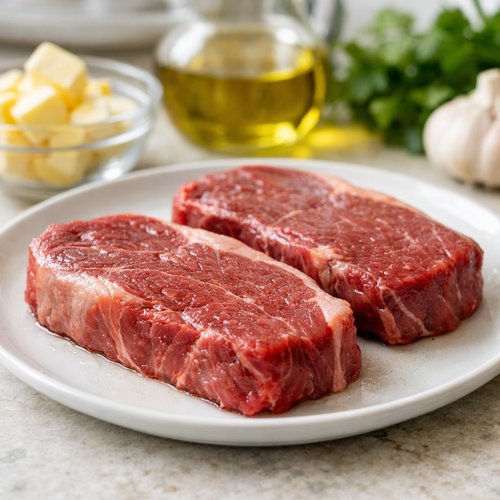
Pull your sirloin steaks from the refrigerator and place them on a plate at room temperature for 15-20 minutes while your butter comes together. This step is non-negotiable if you want even cooking. When cold meat hits a hot pan, the outside stays relatively cool while the inside cooks, which means you get a thick overcooked band around the edges before the center reaches your desired doneness. Room-temperature meat cooks evenly from edge to center.
Step 3: Season Generously and Sear Without Moving Them
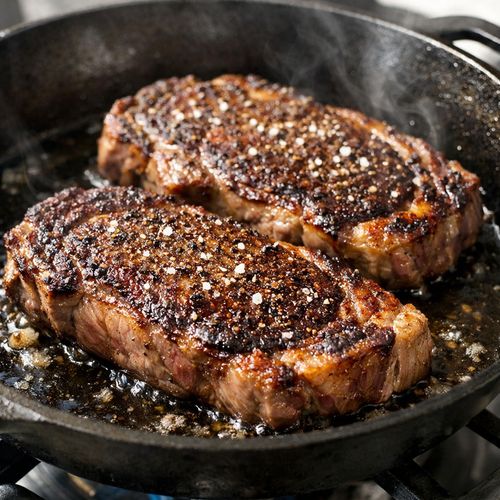
Pat your steaks completely dry with paper towels—moisture is the enemy of crust formation. Season both sides with the remaining kosher salt and freshly ground black pepper. Heat a cast-iron or stainless-steel skillet over medium-high heat for 2 minutes until it’s smoking slightly. Add your neutral oil, swirl it around the pan, and immediately place the steaks in. This is crucial: don’t move them. Leave them untouched for 5-6 minutes to develop that golden-brown crust.
Step 4: Flip, Cook the Second Side, and Add Garlic Butter
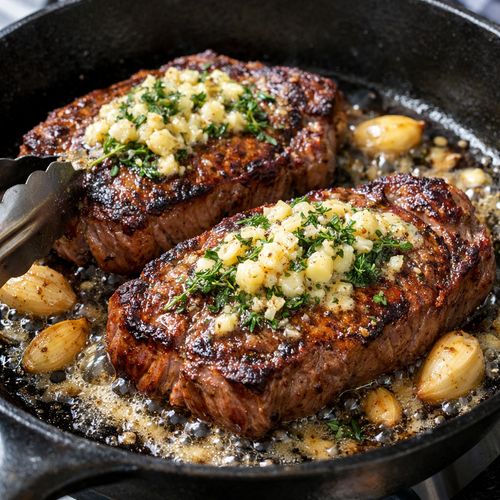
After 5-6 minutes, flip each steak carefully—you should hear a satisfying sizzle. Cook the second side for another 5-6 minutes, aiming for medium-rare (about 130-135°F internal temperature with a meat thermometer). In the final minute of cooking, place a generous spoonful of your garlic butter compound on top of each steak. It’ll start melting immediately, and that’s exactly what you want—the butter will pool around the steaks and add incredible richness.
Step 5: Rest, Tent Loosely, and Serve Immediately
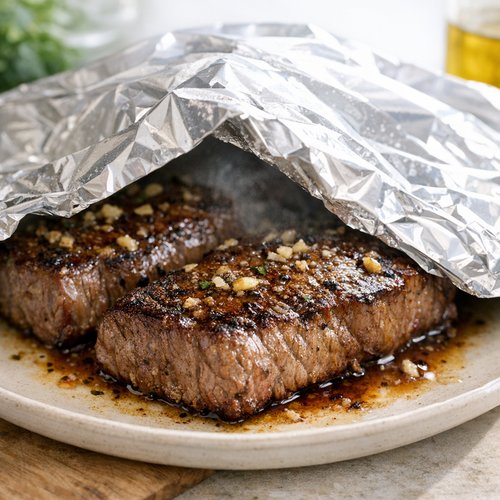
Transfer your steaks to a warm plate and tent them loosely with foil for 3-4 minutes. This resting period is when the magic happens: the muscle fibers relax, and juices redistribute throughout the meat rather than running out onto your plate when you cut into it. During these 3-4 minutes, you can toast a side dish or pour a glass of water. Serve immediately while the garlic butter is still warm and melting into every bite.
Expert’s Nutritional Tip: Why This Steak Recipe Supports Heart Health
As a registered dietitian, I want you to know that sirloin steak paired with real butter is actually a smart, nutritious meal—not a guilty pleasure. Sirloin contains conjugated linoleic acid (CLA), a fatty acid with emerging research supporting metabolic health. The butter provides fat-soluble vitamins A, D, E, and K2, which your body needs for hormone production, bone health, and inflammation regulation. According to USDA nutrition data, a 3-ounce serving of cooked sirloin provides 26 grams of protein and just 4 grams of saturated fat when trimmed. The key is portion control and pairing it with vegetables—which is why I’ll show you how to serve this below.
5 Ways to Customize This Recipe
- Swap the herbs – substitute fresh rosemary or thyme for parsley; both pair beautifully with garlic and beef, and rosemary’s piney notes add sophisticated depth
- Add spice – mix ¼ teaspoon cayenne pepper or ½ teaspoon smoked paprika into your garlic butter compound for a subtle heat that doesn’t overwhelm the beef
- Go umami – stir in ½ teaspoon soy sauce or tamari to the butter compound for a savory depth that enhances the meat’s natural flavors
- Make it surf-and-turf – top each finished steak with a small piece of butter-poached shrimp or scallop for an elegant twist on date night
- Add a blue cheese variation – crumble ¼ cup high-quality blue cheese into your garlic butter instead of using salt; the funk complements beef perfectly
Make It Ahead and Meal Prep Tips
- Garlic butter compound can be made 2-3 days ahead – prepare it, shape it into a log using plastic wrap, refrigerate it, and slice coins off whenever you need them; this saves 3 minutes on cooking day and eliminates last-minute prep stress
- Sous vide your steaks the day before – if you have a sous vide machine, cook steaks to 129°F in the afternoon, chill them, then sear them in a blazing-hot pan for just 60 seconds per side the next evening for guaranteed perfect doneness
Common Mistakes to Avoid
- Using cold steaks straight from the fridge – this creates uneven cooking and a gray band between the crust and the center; always rest them 15-20 minutes at room temperature
- Moving the steaks while they sear – resist the urge to flip or fidget; those 5-6 minutes undisturbed are when the crust develops through the Maillard reaction
- Skipping the thermometer – a meat thermometer removes all guessing; aim for 130-135°F for medium-rare, and remember carryover cooking will raise it 3-5 degrees while resting
- Using salted butter or pre-minced garlic – salted butter masks beef’s natural flavors, and pre-minced garlic oxidizes and loses its pungent, fresh quality; these small details create the difference between good and restaurant-quality
Seasonal Variations
- Spring – add fresh tarragon and lemon zest to the butter compound; pair with fresh asparagus for a bright, seasonal meal
- Summer – grill the steaks instead of pan-searing, finish with garlic butter and fresh basil, serve alongside grilled vegetables
- Fall – incorporate sage and a pinch of nutmeg into the butter; pair with roasted root vegetables and a full-bodied red wine
- Winter – add truffle oil to your garlic butter (just ¼ teaspoon) for an indulgent, warming meal; serve with creamed spinach or roasted mushrooms
Quick Substitutions
- Don’t have sirloin? – rib eye, strip steak, or NY strip work beautifully; adjust thickness and cooking time slightly if using thinner cuts
- Out of fresh garlic? – use ½ teaspoon garlic powder instead (it’s more concentrated, so go easy); avoid garlic salt as it adds extra sodium
- No fresh parsley? – fresh chives, cilantro, or even tarragon work; dried herbs are much less vibrant, so use only ½ teaspoon if that’s your only option
- Can’t find unwaxed lemon? – scrub a regular lemon under warm water, or substitute lime zest for a different but equally delicious flavor profile
How to Store and Reheat
Fridge: 3-4 days. Store cooked steaks in an airtight container on the coolest shelf. Freezer: 2-3 months. Wrap cooked steaks individually in parchment, then foil, to prevent freezer burn. Reheat: the best method is low and slow in a 275°F oven for 8-10 minutes until warmed through; avoid the microwave, which dries out the meat. Alternatively, slice cold steak thinly and reheat it quickly in a cast-iron skillet over medium heat for 1-2 minutes per side.
Nutrition at a Glance
Per serving (one 3-ounce steak with approximately 1.5 tablespoons garlic butter): 340 calories, 26 grams protein, 27 grams fat (8 grams saturated), 0 grams carbohydrates, 0 grams fiber. This data aligns with USDA FoodData Central for cooked sirloin steak (3 oz) plus butter. The protein-to-calorie ratio makes this a satiating meal that keeps you full for hours.
Serve It With
This steak shines alongside simple, complementary sides that don’t compete with the garlic butter flavors. I typically pair mine with roasted vegetables or a light salad to balance the richness. For other quick protein options, explore my Beef Chuck Thin Sliced Recipe for budget-friendly weeknight meals, or try these sides:
- Roasted asparagus – toss with olive oil, salt, and pepper; roast at 400°F for 10 minutes alongside your steaks
- Creamed spinach – wilted spinach finished with butter and a touch of garlic; takes 5 minutes and feels elegant
- Crispy smashed potatoes – mash roasted potatoes with butter and chives for a classic steakhouse side
- Simple arugula salad – peppery arugula with lemon vinaigrette cuts through the richness of the butter perfectly
- Grilled or roasted mushrooms – earthy mushrooms complement beef beautifully and add umami depth

Garlic Butter Steak Recipe
Ingredients
Method
- Combine your softened butter, minced garlic, fresh parsley, lemon zest, and salt in a small bowl—I use a fork to mash it all together until the herbs and garlic are evenly distributed throughout the butter. This compound butter can be made up to 2 days ahead and refrigerated, which saves you precious minutes when you're cooking. The reason we make this first is that it needs to be at room temperature when we finish the steaks, so it melts beautifully and creates that glossy, luxurious finish.
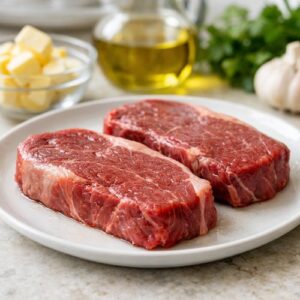
- Pull your sirloin steaks from the refrigerator and place them on a plate at room temperature for 15-20 minutes while your butter comes together. This step is non-negotiable if you want even cooking. When cold meat hits a hot pan, the outside stays relatively cool while the inside cooks, which means you get a thick overcooked band around the edges before the center reaches your desired doneness. Room-temperature meat cooks evenly from edge to center.
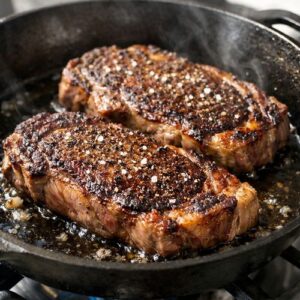
- Pat your steaks completely dry with paper towels—moisture is the enemy of crust formation. Season both sides with the remaining kosher salt and freshly ground black pepper. Heat a cast-iron or stainless-steel skillet over medium-high heat for 2 minutes until it's smoking slightly. Add your neutral oil, swirl it around the pan, and immediately place the steaks in. This is crucial: don't move them. Leave them untouched for 5-6 minutes to develop that golden-brown crust.
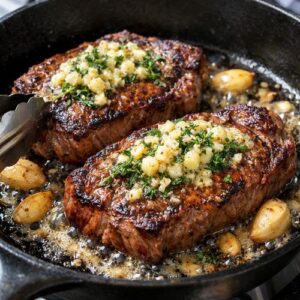
- After 5-6 minutes, flip each steak carefully—you should hear a satisfying sizzle. Cook the second side for another 5-6 minutes, aiming for medium-rare (about 130-135°F internal temperature with a meat thermometer). In the final minute of cooking, place a generous spoonful of your garlic butter compound on top of each steak. It'll start melting immediately, and that's exactly what you want—the butter will pool around the steaks and add incredible richness.
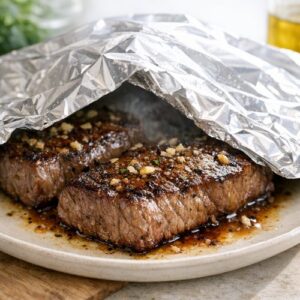
- Transfer your steaks to a warm plate and tent them loosely with foil for 3-4 minutes. This resting period is when the magic happens: the muscle fibers relax, and juices redistribute throughout the meat rather than running out onto your plate when you cut into it. During these 3-4 minutes, you can toast a side dish or pour a glass of water. Serve immediately while the garlic butter is still warm and melting into every bite.
Notes
FAQs
Can I make this recipe for a crowd?
Absolutely. For 4-6 people, I recommend cooking steaks in batches rather than overcrowding the pan (which drops the temperature and prevents good crust formation). Cook 2 steaks, transfer to a warm plate tented with foil, then repeat. Keep finished steaks warm in a 200°F oven while you cook the rest. The garlic butter compound stays the same—just make sure you have enough to top each steak.
What’s the difference between medium-rare and medium?
Medium-rare is 130-135°F internal temperature with a warm, blushing center; medium is 135-145°F with a fully cooked but still-tender center. I recommend medium-rare for sirloin, as it maintains juiciness. Use a meat thermometer inserted into the thickest part of the steak, away from bone, for accuracy.
Can I use butter in place of oil for searing?
No—butter has a low smoke point (around 350°F) and will burn before your pan reaches the necessary searing temperature (around 450°F+). Use neutral oil first, then finish with butter. This is a common mistake that results in burnt, bitter flavors.
How thick should my steaks be for this recipe?
The 1.5-inch thickness is ideal because it allows time for a proper crust to develop (5-6 minutes) before the inside overcooks. Thinner steaks (under 1 inch) cook too quickly; thicker steaks (over 2 inches) require longer cooking times and are harder to get right in a standard skillet.
Is it okay to skip the resting period?
It’s not advisable. Those 3-4 minutes of resting allow muscle fibers to relax and reabsorb juices. Skip this step, and you’ll lose 25-30% of those delicious juices onto your plate instead of keeping them in the meat. It’s a small investment that makes a huge difference.
More Quick Recipes You’ll Love
- Black Bean and Rice Burrito Recipe – a plant-forward meal that pairs beautifully with steak leftovers for next-day lunch bowls
- my weeknight pasta – another beef option if you want hands-off cooking on busier days
- 2 Ingredient Chaffle Recipe – a quick side that absorbs garlic butter beautifully as an alternative to potatoes
Final Thoughts: Make This Tonight
I’ve been cooking this garlic butter steak for my family for years, and every single time, someone at the table says, “Why don’t we eat like this more often?” The answer is simple: you now have the exact technique to make it happen. This isn’t a complicated recipe—it’s a confident one. Invest in quality sirloin, trust your thermometer, and don’t move that steak while it sears. The rest takes care of itself.
Whether you’re cooking for yourself or your family, this meal connects you back to why we cook in the first place: to nourish the people we care about with something delicious and wholesome. Try this recipe tonight, and I promise you’ll add it to your regular rotation. Join me on this cooking journey!
