Creamy Lasagna Soup Recipe
This post contains affiliate links. As an Amazon Associate I earn from qualifying purchases.
This creamy lasagna soup doesn’t just taste incredible—it stops people in their tracks. There’s something about serving a warm, luxurious bowl of pasta comfort that feels like you’ve been cooking all day, when really you’ve pulled together something stunning in under 30 minutes. I remember the first time I served this at a family dinner in my Fairfield kitchen. My sister took one spoonful and said, “You’re serving this again, right?” That’s when I knew I’d cracked the code on making weeknight dinners feel like restaurant-quality moments. Unlike traditional lasagna that demands hours of layering and baking, this soup delivers every single Italian flavor you crave without the fuss. If you’re looking to build more efficient weeknight meals, you might also love my asparagus recipe with chicken—another 30-minute wonder that feels anything but quick.
The Most Beautiful Creamy Lasagna Soup Recipe You’ll Ever Make (And It’s Easier Than It Looks)
Here’s what shifted everything for me about presentation: I realized that color wasn’t just about aesthetics—it was a signal to my family that this meal was packed with nutrition. The deep green spinach, golden broth, creamy ivory sauce, and those gorgeous herb flecks aren’t just beautiful. They’re telling a story about what’s actually nourishing the bodies at my table. When you present food that looks vibrant and intentional, people taste it differently. They slow down. They appreciate it more. That’s the power of this soup.
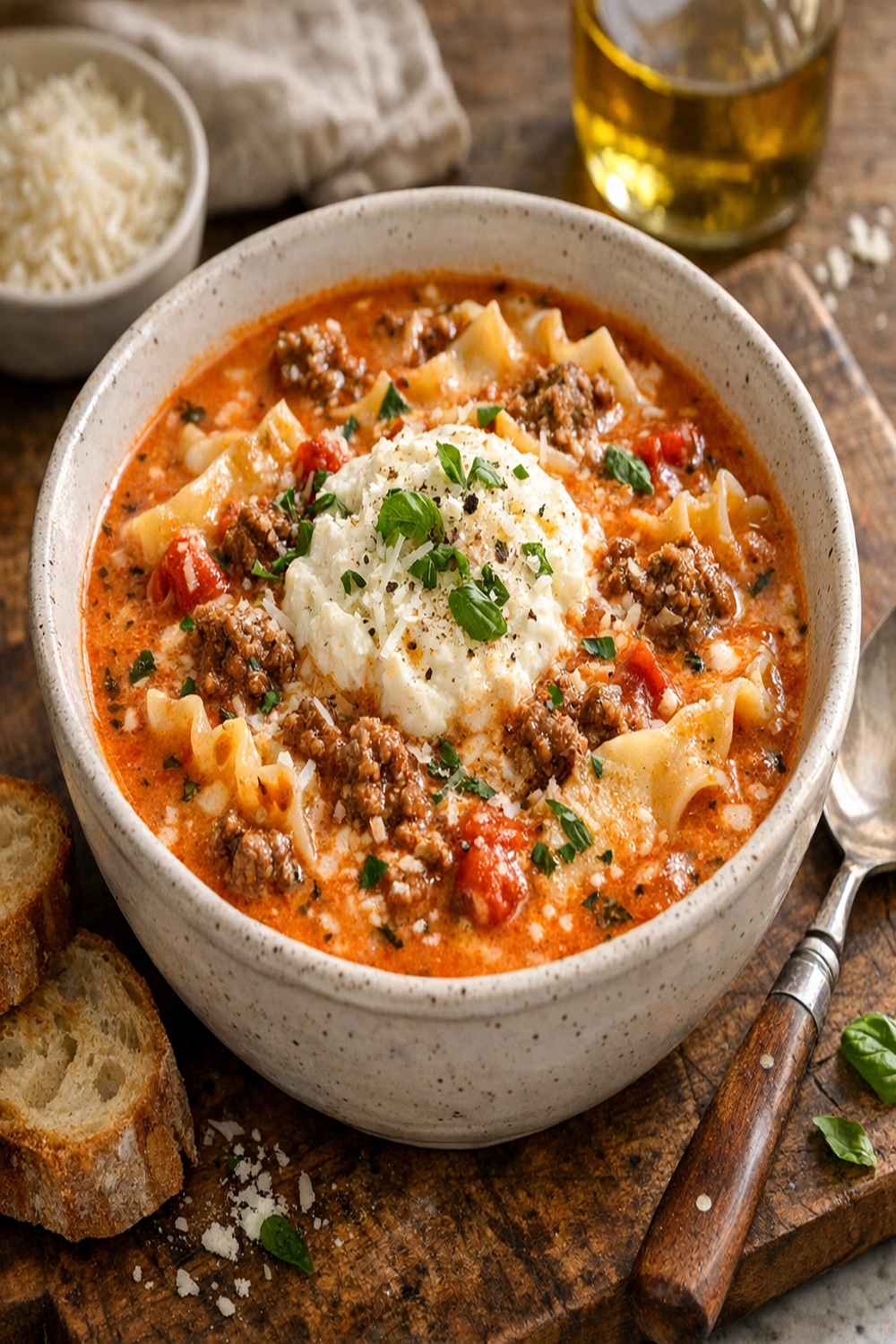
The Visual Elements That Make This Dish Stunning
Before I talk about flavor or technique, let me break down what makes this soup visually spectacular. This isn’t complicated plating—it’s smart ingredient selection and simple presentation choices that create maximum impact.
- Jewel-toned greens and golds – The vibrant spinach creates visual depth against the creamy broth, while those broken lasagna noodles catch light and add dimension. You’re not looking at a flat, monochromatic bowl.
- Textural contrast – Silky cream against tender pasta against crispy prosciutto creates visual interest. Your eye travels through the bowl, noticing different elements at different depths.
- Floating composition – Unlike a heavy lasagna, this soup has elements suspended in space. The way the noodles float, how the spinach swirls, the cheese melting into the cream—it all suggests movement and freshness.
Choosing Ingredients for Maximum Visual Impact
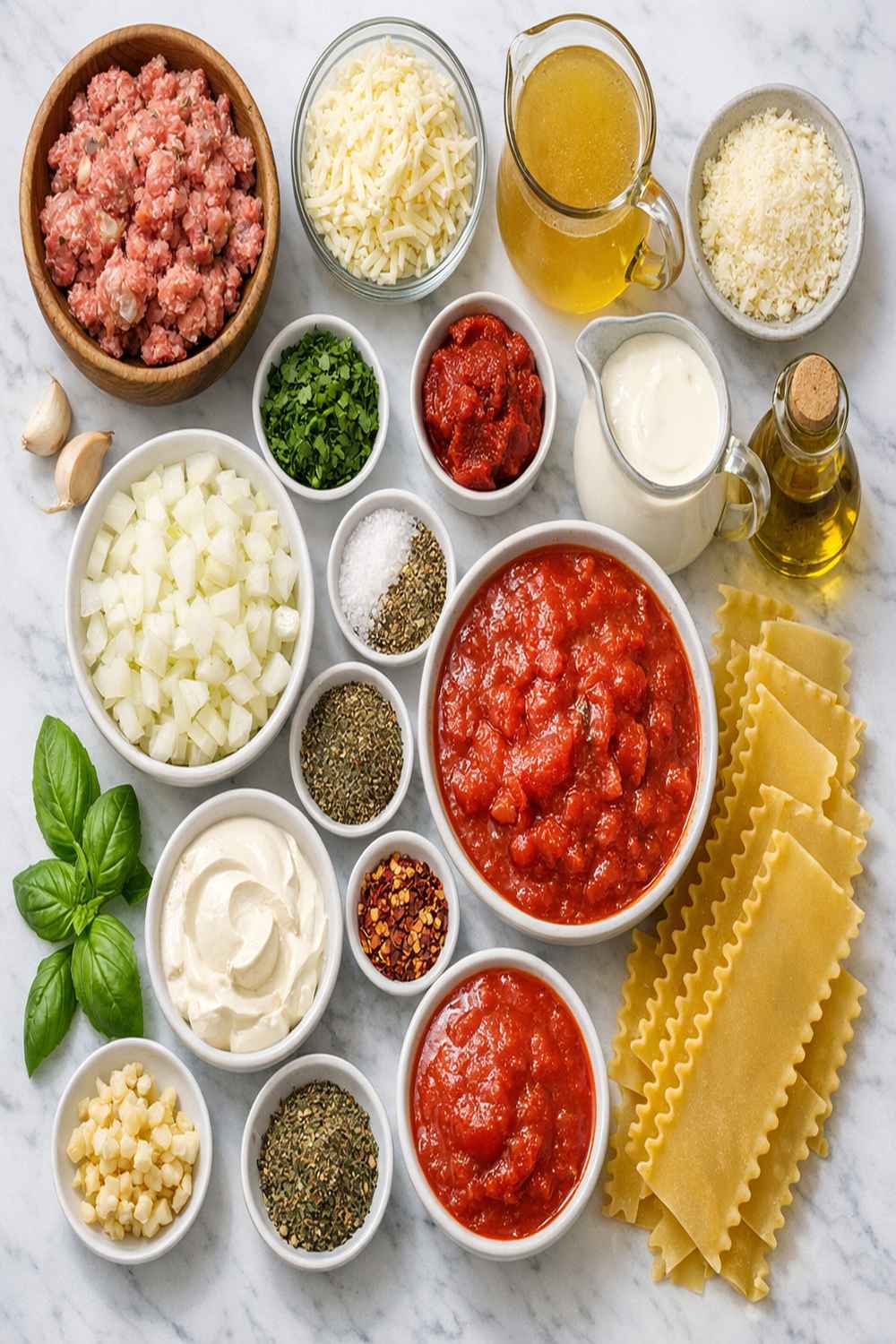
I’ve learned that ingredient selection is where visual presentation actually begins. Every item I choose for this soup has to earn its place not just nutritionally or flavorwise, but visually. The colors, textures, and how they interact matter deeply to me as a dietitian who believes we eat with our eyes first.
For the Base and Aromatics
- 4 cloves garlic, minced (aromatic foundation, becomes almost translucent when cooked)
- 1 medium yellow onion, chopped (adds sweetness and pale gold color to the broth)
- 2 tablespoons salted butter (for roux, adds golden richness to the broth)
- 2 tablespoons all-purpose flour (creates silky sauce without cream-heavy thickness)
- 2 cups fresh mushrooms, sliced (earthy visual depth, contains umami compounds that enhance savory notes)
For the Seasonings and Herbs
- 1 tablespoon fresh basil, roughly torn (adds color pop, use only at end to preserve green)
- ¼ teaspoon red pepper flakes (optional but adds visual spice and heat)
- Kosher salt and freshly cracked black pepper (to taste, season in layers)
- 2 tablespoons fresh thyme leaves (bright green flecks throughout the soup, fresh versus dried makes visual difference)
- 2 teaspoons dried oregano (Mediterranean warmth, distributed throughout)
For the Broth and Protein
- ¾ pound boneless, skinless chicken breasts (tender protein, becomes white and flaky when cooked through)
- 8 lasagna noodles, broken into 1-2 inch pieces (pasta provides visual texture and filling substance)
- 6 cups low-sodium chicken broth (creates golden liquid base that’s lighter than cream-based versions)
For the Creaminess and Cheese
- ½ cup grated parmesan cheese (adds umami and slight granular texture that catches light)
- 1 cup whole milk or light cream (I prefer whole milk for lighter feel while maintaining richness)
- 4-6 cups baby spinach, roughly chopped (creates gorgeous jewel-tone contrast, wilts slightly for textural softness)
- 2 ounces prosciutto, torn into pieces (adds textural contrast and salty richness, use as garnish)
- 1 cup shredded provolone cheese (melts smoothly, adds nutty depth)
Makes 4-6 servings (or 2 generous portions if you’re meal prepping for yourself)
How to Make Picture-Perfect Creamy Lasagna Soup
I’m going to walk you through this like we’re creating edible art together. Each step builds on the last, and I’ll show you exactly where the magic happens visually. This is where efficiency meets intentionality—the whole process takes about 28 minutes from start to finish.
Step 1: Create Your Golden Roux Base
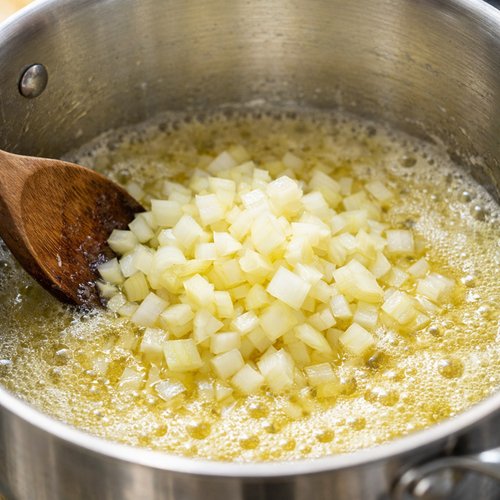
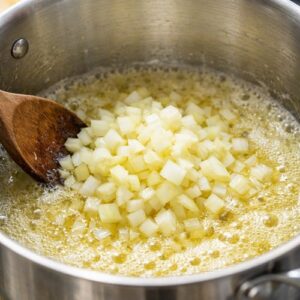
Start by melting your salted butter in a large soup pot over medium heat. Once it’s foaming—and this visual cue matters—add your chopped yellow onion and cook for about 2 minutes, stirring frequently. You’re not going for caramelization here; you just want to soften the onion slightly and release its natural sugars. Watch how the onion becomes translucent at the edges—that’s when you know you’re ready for the next layer.
Now add those sliced mushrooms. I know mushrooms seem like they’ll be dark and dull, but here’s a professional secret: they release their moisture first, then brown slightly, creating this gorgeous umami-rich base that signals to your brain this is serious, flavorful food. Stir occasionally and let them cook for about 3 minutes until they’ve released their liquid and started to golden slightly.
Add your minced garlic and fresh thyme leaves, stirring constantly for about 60 seconds. You want to bloom these aromatics in the butter and mushroom juices. This is where your kitchen starts smelling like an Italian grandmother’s home. Sprinkle your all-purpose flour over this mixture and stir continuously for 2 minutes. The flour will coat everything lightly and begin to create a paste—this is your roux, and it’s what will give your soup its silky texture without needing cream.
Step 2: Build the Broth Foundation
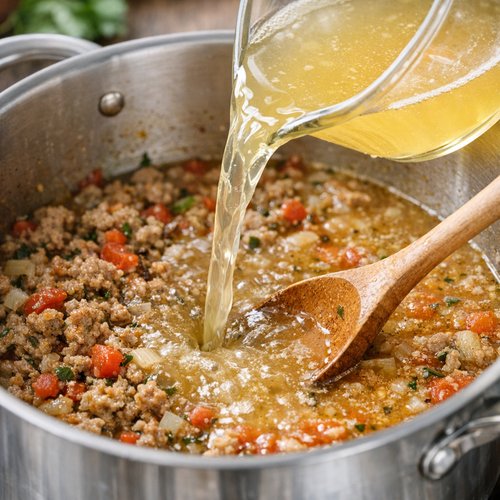
Slowly pour in your 6 cups of low-sodium chicken broth, stirring constantly to prevent lumps from forming. This is the moment where your soup goes from dry ingredients to a living, breathing liquid. You’ll see the flour dissolve and the broth transform into something glossy and rich-looking. Add your dried oregano and a generous pinch of kosher salt and black pepper. Bring the whole pot to a gentle simmer over medium-high heat.
While that’s warming, place your boneless chicken breasts on a cutting board and slice them into bite-sized pieces—about 1-1.5 inches. This is important for both visual appeal and eating experience. Small pieces mean they cook faster (helping you stay on the 30-minute timeline) and they distribute throughout the soup instead of creating one big protein centerpiece.
Step 3: Add Protein and Pasta
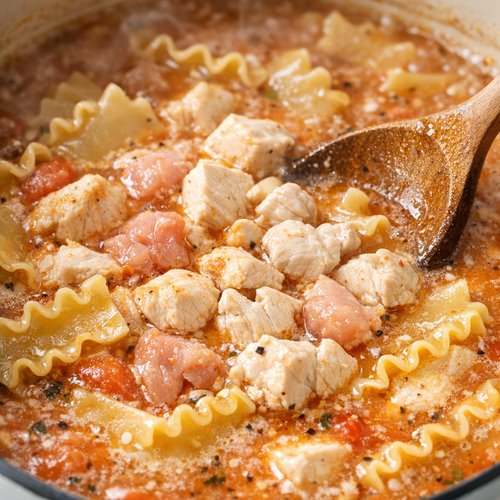
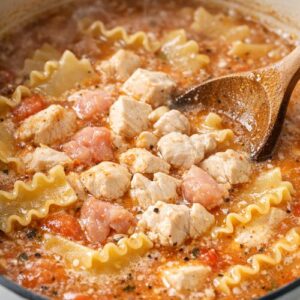
Once your broth reaches a gentle simmer, add those chicken pieces directly to the pot. Stir occasionally as they cook. They’ll turn from pink to white—that’s your visual cue they’re cooking through. After about 3-4 minutes, when the chicken is nearly opaque, add your broken lasagna noodles. Breaking the noodles creates this rustic, interesting texture in the final soup rather than having long strands that get tangled. Plus, they cook faster in smaller pieces, keeping us on schedule.
Let everything simmer together for about 4-5 minutes until the pasta is just starting to soften but still has a slight bite to it. Taste your broth at this point. Does it need more salt? More pepper? Adjust to your preference—this is before we add the cream and cheese, so it’s the easiest moment to balance your flavors.
Step 4: Introduce Creaminess with Intention
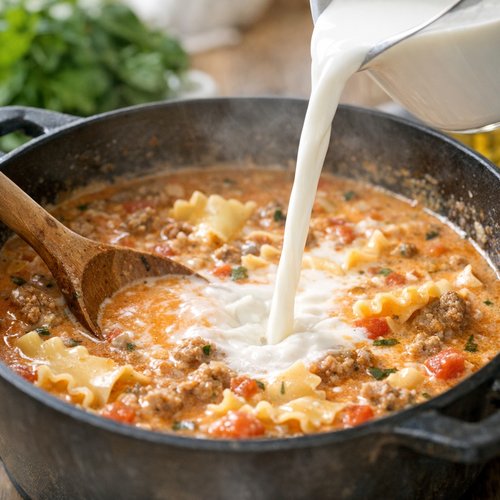
Reduce your heat to medium and pour in your whole milk slowly, stirring gently as you go. I use whole milk instead of heavy cream because it creates that luscious mouthfeel while keeping the soup feeling lighter and more brothy—it’s the dietitian in me believing that creamy doesn’t have to mean overly heavy. Watch how the color changes as the milk incorporates. The broth shifts from golden-brown to a warm, inviting cream color.
Once the milk is fully incorporated and the soup is creamy, begin adding your shredded provolone cheese and grated parmesan, stirring constantly. Add them gradually—about a quarter cup at a time—making sure each addition melts completely before adding more. This prevents clumping and creates that silky, melted texture where the cheese becomes part of the sauce rather than separate strands.
Step 5: The Spinach Moment (The Green Game-Changer)
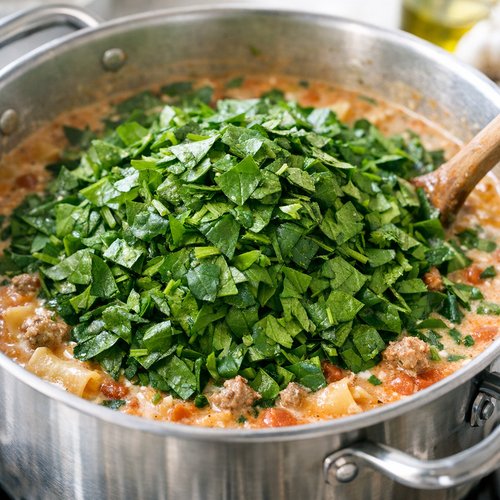
Here’s where the presentation transforms. Add your roughly chopped baby spinach to the pot. At first, it looks like you’ve added way too much—the pot is overflowing with green. But within 60 seconds of gentle stirring, it wilts down dramatically, creating this beautiful jewel-tone swirl throughout the cream-colored broth. This visual transformation is part of what makes this soup so special to serve. It’s not just delicious—it’s a mini cooking show right in the pot.
Keep stirring gently as the spinach wilts. You want to distribute it evenly so every bowl gets those gorgeous green ribbons. Taste the soup again. Adjust salt and pepper to taste, and add a quarter teaspoon of red pepper flakes if you like a subtle heat.
Step 6: The Fresh Herb Finish
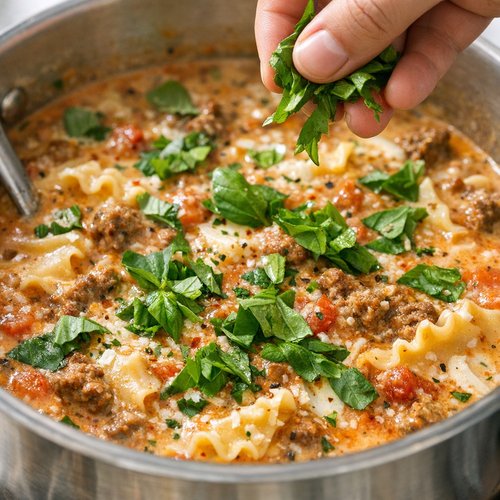
Just before serving, remove the pot from heat and tear your fresh basil roughly over the top of the soup. Never add fresh basil during cooking—the heat destroys its delicate color and flavor. Stir it in gently so some of it wilts but some stays bright green. This final herb addition adds a fresh, aromatic brightness that makes people pause mid-spoonful and say, “What is that amazing flavor?”
The Plating Masterclass
Plating this soup isn’t about complicated techniques—it’s about intentional composition. Here’s how I serve it to maximize visual impact and make every bowl feel restaurant-quality.
- The Ladle Pour – Use a deep soup ladle to pour the soup into warm bowls, making sure you capture the liquid, noodles, and spinach together. Pour from a height of about 4 inches to create slight movement and separation between elements. The goal is a bowl that looks alive, not static.
- The Protein Distribution – As you ladle, make sure you’re getting chunks of chicken in each bowl. Spoon a few extra pieces on top after pouring if needed. You want visible protein, not a broth that seems protein-sparse.
- The Garnish Strategy – Tear 2-3 pieces of prosciutto and arrange them on top of the finished bowl. Let them drape slightly into the soup rather than laying flat. Tear fresh basil leaves and scatter them across the surface. A light grating of fresh parmesan over the top adds visual texture and signals richness.
Photography Tips for This Dish
If you’re photographing this for social media or just to capture the moment, here are my professional tips for making this soup look as incredible as it tastes.
- Lighting is everything – Shoot this soup near a window with natural light coming from the side or slightly behind the bowl. The cream-colored broth glows beautifully in natural light, and you can actually see the spinach’s jewel-tone color pop. Avoid harsh overhead lighting, which flattens everything.
- Shoot at the right moment – Capture the soup within 2-3 minutes of ladling. At this point, the heat is still rising (creating beautiful steam), the colors are at their most vibrant, and the cheese is perfectly melted. After 5 minutes, the soup starts cooling and the visual appeal diminishes slightly.
- Use negative space intentionally – Photograph the bowl against a simple, neutral background. A warm-toned linen or wood surface complements the golden-cream color of the soup. Include a simple wooden spoon in the frame if you want to add context without overwhelming the image.
Expert’s Nutritional Tip
As a registered dietitian, I want to highlight something many people overlook: the spinach in this recipe isn’t just a color pop—it’s delivering real nutritional value. Baby spinach is rich in lutein and zeaxanthin, compounds that support eye health, and it provides bioavailable iron when cooked with vitamin C sources like the tomato-based elements in the broth. The fact that you’re cooking it lightly means you’re preserving most of these nutrients while making them more bioavailable than raw spinach would offer. This is food that’s working hard for your health while tasting indulgent—that’s what I love about this recipe.
Seasonal Color Variations
One of my favorite things about this soup is how adaptable it is visually across seasons. Here’s how I adjust the garnish and supporting ingredients depending on what’s available.
Spring Version: Replace the prosciutto with crispy pancetta and add fresh peas in the last 2 minutes. Use fresh dill or chervil instead of basil. The brighter green of fresh peas combined with delicate spring herbs makes this feel lighter and more seasonal.
Summer Version: Reduce the amount of cream slightly and add fresh corn kernels and heirloom tomato pieces just before serving. Use fresh oregano and basil generously. The soup takes on a lighter, brighter feel that matches summer eating patterns.
Fall Version: Add roasted butternut squash cubes and swap basil for sage. Use smoked prosciutto for deeper flavor. The warm spices and golden squash create an autumn color palette that feels cozier.
Winter Version: This is the version I’ve shared here—hearty, creamy, comforting. Add a tiny pinch of nutmeg with your oregano for warming spice. The deep green spinach against cream feels rich and indulgent when the weather is cold.
Can I Store Creamy Lasagna Soup Recipe?
Yes, absolutely—and here’s how I manage storage to preserve both flavor and presentation quality. This soup keeps beautifully in your refrigerator for 3-4 days in an airtight container.
Here’s my professional tip: store the soup and any prosciutto garnish separately. Keep the soup in one container and store the torn prosciutto in a separate small container. When you reheat, reheat the soup gently over medium heat on the stovetop (never the microwave, which can make the texture grainy), then add the prosciutto garnish fresh just before serving. Fresh herbs should also be added after reheating.
For freezing: this soup freezes well for up to 2 months, though I recommend freezing without the cheese if you’re planning long-term storage. Here’s why: when you reheat, the cheese can break and become grainy. Instead, thaw the soup, reheat gently, then add fresh cheese just before serving.
Thawing: move from freezer to refrigerator 24 hours before you plan to serve. Reheat gently over medium heat, stirring occasionally. If the soup seems too thick after freezing and thawing, add a splash of chicken broth to restore the texture.
Make-Ahead Guide
I built this recipe for busy people, but I also understand that meal prepping makes busy people’s lives easier. Here’s exactly how to prep this ahead.
Full Make-Ahead Option (Best for 1-2 days ahead): Make the complete soup through Step 5 (after the spinach wilts), then store in an airtight container in the refrigerator. When ready to serve, reheat gently over medium heat, stirring occasionally. Add the fresh basil garnish and prosciutto right before serving. This works perfectly if you’re meal prepping Sunday for Wednesday eating.
Partial Prep Option (Best for busy weeknights): Prep all your ingredients on Sunday: chop the onion and mushrooms, mince the garlic, tear the spinach, shred the cheese, and slice the chicken. Store each in separate containers. Then on weeknight, the actual cooking only takes 20 minutes instead of 30. This is my favorite approach because it removes the mental friction of cooking.
Flavor-Boosting Tip: If you’re making this 1-2 days ahead, the flavors actually deepen slightly as they meld in the refrigerator. The oregano and thyme infuse more fully into the broth. This is actually an advantage.
Common Mistakes to Avoid
I’ve made these mistakes, my friends have made them, and I want to save you from repeating them.
Mistake 1: Adding the spinach too early. If you add spinach during the initial simmering stage, it overcooks, loses its brilliant color, and becomes almost muddy-looking. The spinach should be one of your last additions, going in just 1-2 minutes before serving. This preserves both the bright green color and the tender (not mushy) texture.
Mistake 2: Using pre-shredded cheese. I know it’s convenient, but pre-shredded cheese has anti-caking agents that prevent it from melting smoothly. The result is grainy, clumpy cheese rather than silky sauce. Spend 2 extra minutes shredding your own cheese—it makes a dramatic difference in texture and final appearance.
Mistake 3: Skipping the roux step. Some people try to skip the butter and flour base to save time, then add cream directly to the broth. This creates a thinner, less cohesive soup. The roux (even this small amount) gives the soup body and creates a sauce that clings to the pasta. It’s not laziness; it’s technique.
Mistake 4: Cooking the pasta in the soup for too long. Lasagna noodles will continue absorbing liquid even after they’re done cooking. If you let them cook until they’re very soft, they’ll be mushy in your final soup. They should still have the slightest bite when the soup is finished cooking. They’ll soften more as you store it.
Nutrition Information
Per serving (based on 4 servings): approximately 485 calories, 28g protein, 42g carbohydrates, 18g fat, 1,200mg sodium, 4g fiber, 8g sugar. The USDA dietary guidelines note that meals containing lean protein (like our chicken), whole grains (broken pasta), and colorful vegetables (spinach, mushrooms) align with recommendations for reducing chronic disease risk.
From a micronutrient standpoint, this single bowl delivers significant amounts of calcium (from the cheese), iron (from spinach), B vitamins (from the chicken and mushrooms), and antioxidants from the herb and vegetable content. This is what I mean by wholesome—every visual element is also delivering real nutrition.
What to Serve Alongside for a Complete Visual Spread
This soup is substantial enough to be a complete meal on its own, but if you’re serving it for a dinner party or family meal, here’s what I plate alongside it for a cohesive visual presentation.
- Crusty garlic bread or toasted focaccia – The golden-brown bread against the cream-colored soup creates color contrast. It also provides textural variety and gives people something to do with their hands between spoonfuls.
- Simple green salad with lemon vinaigrette – A peppery arugula salad with pale green dressing provides freshness and acidity that balances the richness of the soup. Visually, it prevents the meal from feeling one-note in color.
- Roasted vegetables – I often roast a tray of vegetables like zucchini, bell peppers, and cherry tomatoes. They add another layer of color and nutrition without competing with the soup’s flavor profile. For another vegetable-forward option, try my butternut squash kale salad, which pairs beautifully with lighter, creamier soups.

Creamy Lasagna Soup Recipe
Ingredients
Method
- Start by melting your salted butter in a large soup pot over medium heat. Once it's foaming—and this visual cue matters—add your chopped yellow onion and cook for about 2 minutes, stirring frequently. You're not going for caramelization here; you just want to soften the onion slightly and release its natural sugars. Watch how the onion becomes translucent at the edges—that's when you know you're ready for the next layer. Now add those sliced mushrooms. I know mushrooms seem like they'll be dark and dull, but here's a professional secret: they release their moisture first, then brown slightly, creating this gorgeous umami-rich base that signals to your brain this is serious, flavorful food. Stir occasionally and let them cook for about 3 minutes until they've released their liquid and started to golden slightly. Add your minced garlic and fresh thyme leaves, stirring constantly for about 60 seconds. You want to bloom these aromatics in the butter and mushroom juices. This is where your kitchen starts smelling like an Italian grandmother's home. Sprinkle your all-purpose flour over this mixture and stir continuously for 2 minutes. The flour will coat everything lightly and begin to create a paste—this is your roux, and it's what will give your soup its silky texture without needing cream.
- Slowly pour in your 6 cups of low-sodium chicken broth, stirring constantly to prevent lumps from forming. This is the moment where your soup goes from dry ingredients to a living, breathing liquid. You'll see the flour dissolve and the broth transform into something glossy and rich-looking. Add your dried oregano and a generous pinch of kosher salt and black pepper. Bring the whole pot to a gentle simmer over medium-high heat. While that's warming, place your boneless chicken breasts on a cutting board and slice them into bite-sized pieces—about 1-1.5 inches. This is important for both visual appeal and eating experience. Small pieces mean they cook faster (helping you stay on the 30-minute timeline) and they distribute throughout the soup instead of creating one big protein centerpiece.

- Once your broth reaches a gentle simmer, add those chicken pieces directly to the pot. Stir occasionally as they cook. They'll turn from pink to white—that's your visual cue they're cooking through. After about 3-4 minutes, when the chicken is nearly opaque, add your broken lasagna noodles. Breaking the noodles creates this rustic, interesting texture in the final soup rather than having long strands that get tangled. Plus, they cook faster in smaller pieces, keeping us on schedule. Let everything simmer together for about 4-5 minutes until the pasta is just starting to soften but still has a slight bite to it. Taste your broth at this point. Does it need more salt? More pepper? Adjust to your preference—this is before we add the cream and cheese, so it's the easiest moment to balance your flavors.
- Reduce your heat to medium and pour in your whole milk slowly, stirring gently as you go. I use whole milk instead of heavy cream because it creates that luscious mouthfeel while keeping the soup feeling lighter and more brothy—it's the dietitian in me believing that creamy doesn't have to mean overly heavy. Watch how the color changes as the milk incorporates. The broth shifts from golden-brown to a warm, inviting cream color. Once the milk is fully incorporated and the soup is creamy, begin adding your shredded provolone cheese and grated parmesan, stirring constantly. Add them gradually—about a quarter cup at a time—making sure each addition melts completely before adding more. This prevents clumping and creates that silky, melted texture where the cheese becomes part of the sauce rather than separate strands.

- Here's where the presentation transforms. Add your roughly chopped baby spinach to the pot. At first, it looks like you've added way too much—the pot is overflowing with green. But within 60 seconds of gentle stirring, it wilts down dramatically, creating this beautiful jewel-tone swirl throughout the cream-colored broth. This visual transformation is part of what makes this soup so special to serve. It's not just delicious—it's a mini cooking show right in the pot. Keep stirring gently as the spinach wilts. You want to distribute it evenly so every bowl gets those gorgeous green ribbons. Taste the soup again. Adjust salt and pepper to taste, and add a quarter teaspoon of red pepper flakes if you like a subtle heat.

- Just before serving, remove the pot from heat and tear your fresh basil roughly over the top of the soup. Never add fresh basil during cooking—the heat destroys its delicate color and flavor. Stir it in gently so some of it wilts but some stays bright green. This final herb addition adds a fresh, aromatic brightness that makes people pause mid-spoonful and say, "What is that amazing flavor?"

Notes
FAQs
Can I use different pasta shapes in this soup?
Absolutely. While broken lasagna noodles create that rustic charm, you could use small pasta shapes like ditalini (little tubes), orzo, or small shells. The key is choosing something bite-sized that doesn’t overwhelm the spoon. From a presentation standpoint, smaller pasta creates a more refined appearance, while broken lasagna noodles feel more casual and homestyle—both are beautiful, just different aesthetics.
What if I don’t have provolone cheese?
Use any melting cheese you have on hand—mozzarella, fontina, or even sharp cheddar all work. The visual impact changes slightly depending on what you choose. Mozzarella creates a creamier appearance, while cheddar adds a golden-orange hue to the broth. Adjust the total cheese amount to about 1.5-2 cups total between the soft cheese and parmesan.
How can I make this soup vegan or dairy-free?
Replace the butter with olive oil, use vegetable broth instead of chicken broth, substitute chickpeas or white beans for the chicken, and use a dairy-free cream (I like oat milk-based options) and nutritional yeast for the cheese flavor. The color and texture will be slightly different—less creamy in appearance—but it remains a beautiful, satisfying soup.
Can I use frozen spinach?
You can, but I don’t recommend it for this recipe. Frozen spinach releases a lot of water when it thaws and cooks, which dilutes the soup and makes it watery. Plus, it loses the bright green color that makes this soup visually special. If frozen is your only option, thaw it completely and squeeze out as much liquid as possible before adding.
What’s the best way to scale this recipe for a crowd?
This recipe doubles beautifully for 8-12 people. Simply double all ingredients and use a 6-8 quart pot. The timing stays roughly the same—don’t increase cooking time dramatically, as the larger volume actually maintains heat better. For a party, I prep everything ahead, make the soup completely, then reheat gently just before serving. If you’re making this for a black bean and rice burrito dinner party (mixing cuisines), this soup works as a beautiful starter course that’s substantial but doesn’t overwhelm before the main course.
More Visually Stunning Recipes
- Ricotta Pasta – Another Italian-inspired dish that’s elegant enough for company but simple enough for weeknights, with the same philosophy of letting quality ingredients shine through simple technique
Final Thoughts: Feeding Bodies and Souls
This creamy lasagna soup represents everything I believe about cooking: that health and indulgence aren’t opposites, that beautiful presentation matters, and that feeding people well doesn’t require hours in the kitchen. Every time I serve this, I’m reminded of those family dinners where food was the excuse to slow down, to connect, to nourish each other through something that tastes like love and looks like care.
The visual elements—the deep green spinach, the golden-cream broth, the tender pasta, the savory prosciutto—they’re not decorative flourishes. They’re signals that this meal was made with intention. They’re proof that you can be efficient and still create moments that matter.
Whether you’re cooking for yourself on a Tuesday night or hosting a dinner party on Saturday, whether you’re meal prepping for the week or making memories with family, this soup meets you where you are. It’s quick enough to fit into a busy life, good-looking enough to impress people you care about, and wholesome enough to feel genuinely nourishing.
I hope this becomes a regular rotation in your kitchen, the way it is in mine. I hope you adjust it seasonally, make it your own, and maybe even share it with someone who needs to be reminded that good food doesn’t have to be complicated. Join me on this cooking journey!
