Shawarma White Sauce Recipe
This post contains affiliate links. As an Amazon Associate I earn from qualifying purchases.
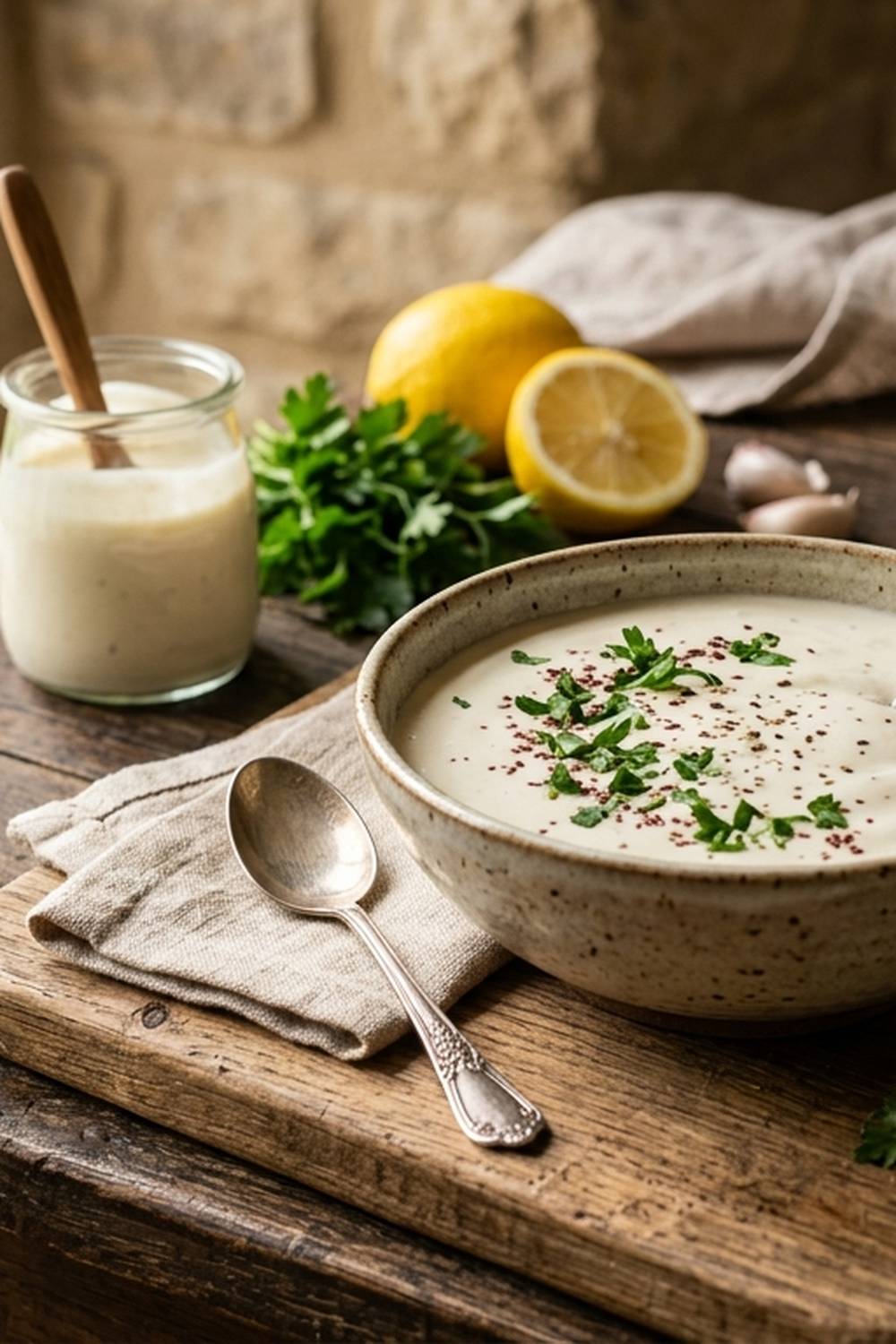
Before you reach for that bottled garlic sauce at the grocery store, let me stop you right there. I’m Rachel Garland, and I’ve spent years helping families discover that the simplest ingredients—ones you likely already have in your kitchen right now—create the most authentic, flavorful results. This Shawarma White Sauce Recipe was born from exactly that realization during a Tuesday night when my family was craving that restaurant-quality shawarma experience without the takeout price tag or mystery ingredients.
The magic? It’s not complicated. It’s five minutes, four ingredients, and a philosophy that has transformed how I approach everyday cooking. This creamy, tangy sauce has become my secret weapon for weeknight meals, meal prep sessions, and those moments when I want to elevate simple proteins into something restaurant-worthy.
How to Create Restaurant-Quality Shawarma White Sauce at Home (Better Than Any Takeout Version)
I’ll never forget the moment this recipe came together. It was one of those evenings when nothing in my pantry seemed to match my dinner vision. I had a container of plain yogurt that needed using, half a lemon languishing in my crisper drawer, and the realization that I was about to spend forty dollars on delivery when I had everything I needed already sitting on my shelves.
As a registered dietitian, I’m always looking for ways to build nutritional value into quick meals without sacrificing flavor. That evening, I started whisking together what I had on hand—creamy yogurt as my base, a touch of richness from mayonnaise, brightness from fresh lemon juice, and pungent garlic that would anchor everything. Within minutes, I had a sauce that tasted like it came from my favorite Mediterranean restaurant, but with complete transparency about every single ingredient.
My family’s reaction sealed it. My teenager asked if we could have “that sauce” on everything. My husband went back for seconds of chicken that was suddenly transformed. And I felt that deep satisfaction of creating something delicious, nutritious, and genuinely quick—all while staying true to my commitment to wholesome, real-food cooking.
What Makes This Sauce Different From Store-Bought Versions
When I look at commercial shawarma sauces and garlic aiolis, I see ingredient lists that often include stabilizers, preservatives, and additives that simply aren’t necessary. My version gives you control. You choose your yogurt—Greek if you want extra protein, regular if you prefer a lighter sauce. You decide the lemon-to-garlic ratio based on your family’s preferences.
Most importantly, you know exactly what’s going into your food. No mystery ingredients. No wondering about food safety or shelf life. Just four pantry staples that come together in the time it takes to heat your pita bread.
The Ingredients – Simple, Quality, Flexible
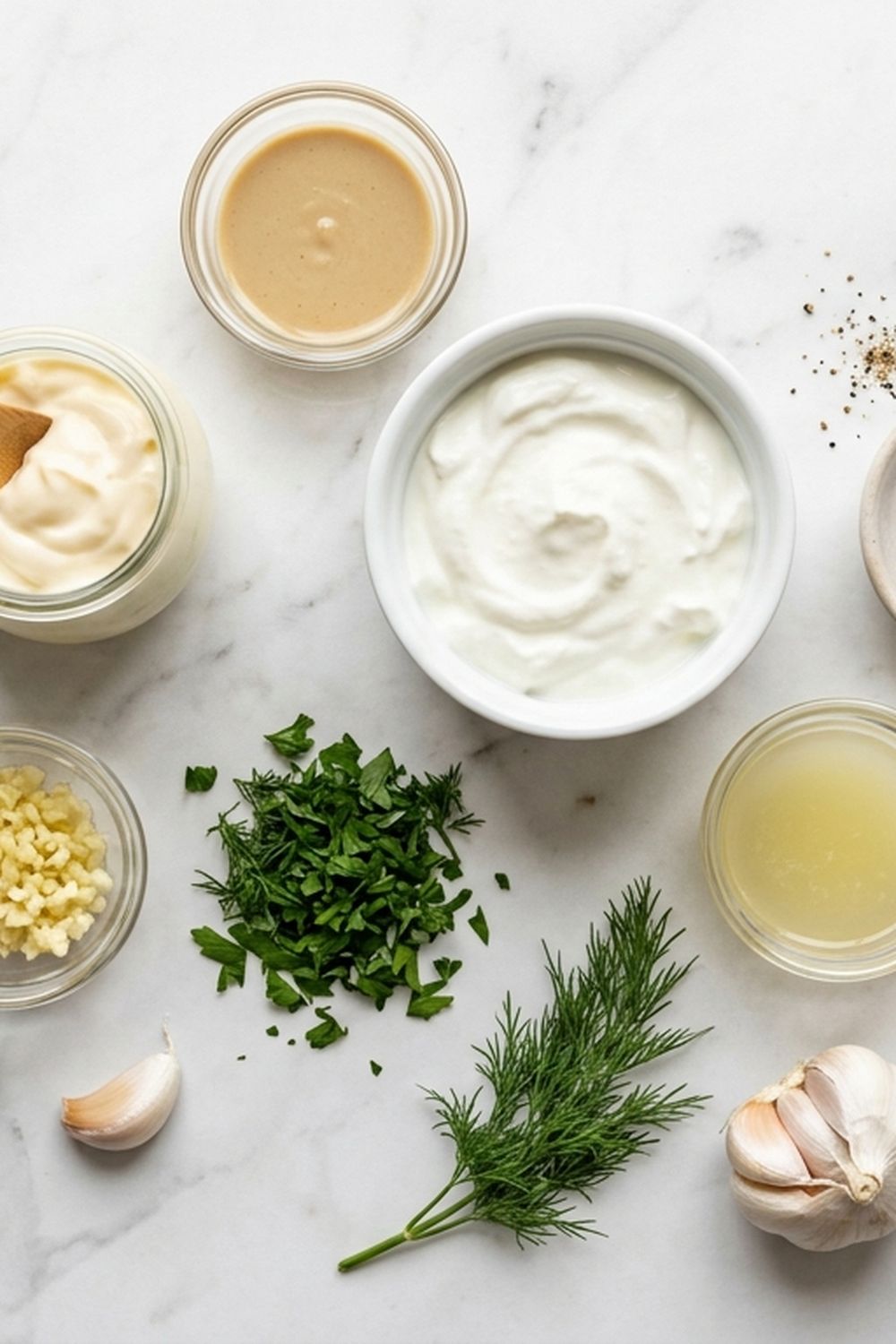
I’ve built this recipe around ingredients that offer flexibility without compromising flavor. Each component plays a specific role, but I’ve also included notes on how to adapt based on what you have available. Makes approximately 1¼ cups of sauce—enough for 4-6 servings depending on how generously you sauce your meal.
- ¼ cup mayonnaise (I use quality mayo made with olive oil for better nutrition and taste)
- 2 tablespoons fresh lemon juice (bottled works in a pinch, but fresh lemon provides superior brightness and no preservatives)
- 1 garlic clove, finely grated (use a microplane grater for seamless texture and maximum flavor distribution)
- 1 cup plain yogurt (full-fat Greek yogurt creates extra creaminess and protein; regular yogurt works beautifully too)
- ½ teaspoon fine sea salt (adjust to your preference and the sodium content of your mayo)
- ¼ teaspoon freshly cracked black pepper (freshly ground makes a noticeable difference in taste)
The Transformation: How to Make Shawarma White Sauce in Five Minutes
This is where efficiency meets flavor. I’m going to walk you through each step with the specific techniques I’ve developed over hundreds of meals. This isn’t just dumping ingredients together—these small intentional choices create a sauce that’s silky, well-emulsified, and perfectly balanced every single time.
Step 1: Start With Your Yogurt Base
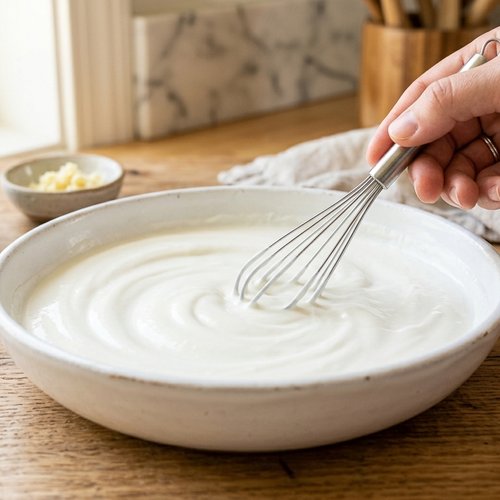
Pour your yogurt into a small mixing bowl. If you’re using thick Greek yogurt, whisk it first for about 30 seconds to loosen its consistency slightly. This small step prevents lumps and ensures your final sauce has a uniform, silky texture rather than little yogurt clumps throughout.
I always use a shallow bowl rather than a deep one—it gives me better access with my whisk and makes the whole process feel less cumbersome on busy weeknights. The psychological ease matters when you’re cooking after a long day.
Step 2: Incorporate Your Richness
Add your mayonnaise directly to the yogurt base. Whisk these two ingredients together with intention for about 45 seconds until they’re completely combined and the mixture takes on a uniform pale color. You should see no streaks of white yogurt or yellow mayo—just one creamy, cohesive foundation.
This step is crucial for emulsification. The two ingredients have different fat contents and textures, and taking the time to whisk them properly ensures they stay combined and don’t separate when stored or heated.
Step 3: Add Your Acid and Brightness
Squeeze your lemon juice directly into the mixture. Whisk for another 30 seconds, paying special attention to incorporate the juice throughout. You’ll notice the sauce becomes slightly thinner and more pourable—this is exactly what should happen. The acid is helping break down the creamy ingredients into a silkier consistency.
Here’s a pro tip: if your lemon felt room temperature when you cut it, the juice will integrate more smoothly than cold lemon juice straight from the refrigerator. It’s a tiny detail that speaks to the philosophy of intentional cooking.
Step 4: Build Your Aromatics
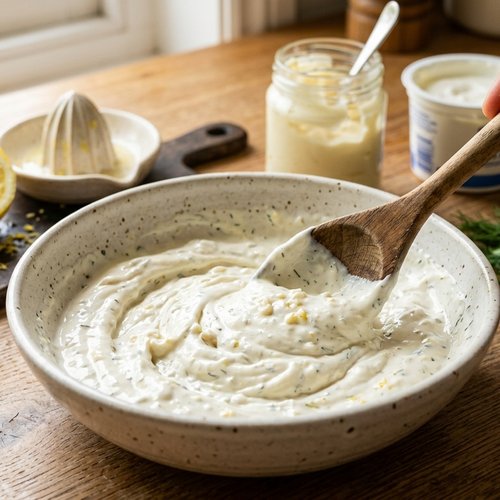
Using a microplane grater, grate your garlic clove directly over the mixture and whisk immediately. Don’t wait—garlic’s volatile compounds are most potent in those first seconds after grating. Whisking immediately distributes the garlic evenly and prevents those unpleasant pockets of intense raw garlic.
If you don’t have a microplane, mince your garlic as finely as possible and then mash it into a paste using the flat side of your knife and a pinch of salt before adding to the sauce. This creates a smoother texture than chopped garlic pieces.
Step 5: Season and Taste
Add your salt and pepper, then taste carefully before adding more. This is your moment to adjust. Remember that mayonnaise already contains salt, so taste first, add conservatively, and taste again. I typically find that ½ teaspoon is perfect, but your preference might differ based on the brand of mayo you’re using.
I always taste with a piece of pita bread or a small vegetable rather than a spoon alone—this gives me a real sense of how the sauce will taste on actual food rather than by itself.
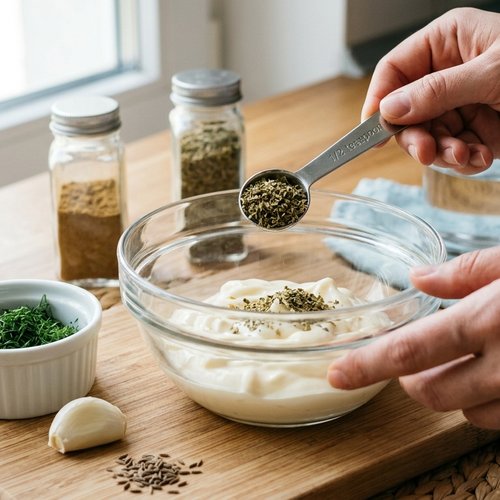
Step 6: Store and Ready
Transfer your completed sauce to a clean glass container with a tight-fitting lid and refrigerate immediately. The sauce will continue to develop in flavor over the first hour as the ingredients fully meld and the garlic continues to distribute throughout. Don’t judge it taste-wise until it’s had at least 30 minutes in the refrigerator.
How to Adapt Based on What You Have
- If you only have sour cream instead of yogurt – use it with confidence. You’ll get a slightly richer, more tangy sauce. Use 1 cup sour cream and reduce mayonnaise to 3 tablespoons to balance the richness.
- If you don’t have fresh lemon – substitute with white wine vinegar or apple cider vinegar at ½ the amount (start with 1 tablespoon instead of 2 tablespoons). The flavor will shift but remain delicious.
- If your yogurt is very thin or runny – strain it through cheesecloth for 30 minutes before using, or simply use it as-is and reduce the mayo to 3 tablespoons to compensate.
- If you prefer a less garlicky sauce – start with ½ clove and taste before adding more. You can always add more garlic; you can’t remove it.
- If you want extra herbaceous notes – stir in 1 tablespoon of finely chopped fresh parsley or cilantro just before serving for brightness.
Expert’s Nutritional Insight: Why This Sauce Actually Deserves a Place on Your Plate
As a registered dietitian, I want to highlight something important: this sauce is nutritionally sound, not just delicious. The yogurt provides probiotics and protein. The lemon juice aids mineral absorption and provides vitamin C. Even the small amount of garlic contains allicin, a compound with documented anti-inflammatory properties.
When you eat this sauce alongside grilled protein and vegetables—say, chicken shawarma with roasted vegetables—you’re creating a meal that supports satiety, provides micronutrients, and delivers genuine flavor satisfaction. This is nutrition that tastes good and makes your body feel good. That’s the cooking I’ve built my career around.
Common Mistakes to Avoid
- Using pre-minced garlic from a jar – I understand the convenience appeal, but bottled garlic has been processed and preserved in ways that create a harsh, metallic taste in raw applications like this sauce. Take the 20 seconds to mince fresh garlic; it makes a remarkable difference.
- Skipping the whisking step – If you simply stir these ingredients together, you risk ending up with a broken sauce where the mayo separates. The whisking motion is what creates emulsification. Don’t skip this step.
- Using cold ingredients straight from the refrigerator – If your yogurt and mayo are very cold, they’ll be harder to combine smoothly. Let them sit on the counter for 10 minutes, or run your bowl under warm water briefly before starting.
- Adding too much lemon juice – The sauce needs acid for brightness, but too much will curdle the yogurt or make it excessively thin. Start with the 2 tablespoons and taste before adding more.
Make-Ahead Guide: Prep This Sauce With Purpose
One of my favorite aspects of this sauce is how beautifully it works for meal prep. I often make a double or triple batch on Sunday afternoons, which means I have it ready for multiple meals throughout the week.
For single batch (1¼ cups): Make as directed and refrigerate in an airtight glass container. The sauce will keep for up to 2 weeks, developing deeper flavor over the first 3-4 days as ingredients continue to meld.
For double batch (2½ cups): Combine 2 cups plain yogurt, ½ cup mayonnaise, ¼ cup fresh lemon juice, and 2 finely grated garlic cloves. Whisk exactly as you would the single batch. This keeps the same amount of time.
Storage tip: I portion my larger batches into ice cube trays once they’re cooled slightly. Once frozen solid (about 4 hours), I pop them out and store them in labeled freezer bags. This way, I can thaw exactly the amount I need for a specific meal rather than opening a large container every time. Each cube is approximately 2 tablespoons—perfect for one person’s meal.
Thawing method: Remove from freezer 30 minutes before serving and let sit at room temperature. Never microwave the sauce, as this can cause separation. Cold sauce can go straight onto hot foods—the contrast of temperatures is actually quite pleasant with warm shawarma.
Seasonal Variations: How to Keep This Sauce Interesting Year-Round
- Spring version: Add 1 tablespoon of finely chopped fresh mint and ½ tablespoon of finely chopped fresh dill for herbaceous brightness that pairs beautifully with spring lamb.
- Summer version: Incorporate ½ teaspoon of sumac for a subtle citrus note that doesn’t require additional lemon juice—perfect when you want brightness without extra liquid.
- Fall version: Add a pinch of smoked paprika and 1 teaspoon of pomegranate molasses for depth and subtle sweetness that complements roasted vegetables and heavier proteins.
- Winter version: Stir in ½ teaspoon of cumin and a whisper of cayenne for warming spice notes that feel cozy and grounding during colder months.
What to Serve With Shawarma White Sauce
I love this sauce with specific combinations that create balanced, satisfying meals. Think about pairing it with warm proteins and fresh vegetables that offer contrast in temperature and texture.
For grilled chicken shawarma, I always serve it alongside cucumber and tomato slices, red onion that’s been lightly marinated in lemon juice, and warm pita or flatbread. The cool, crisp vegetables and creamy sauce create a textural contrast that feels luxurious.
For roasted vegetables, I’ve had tremendous success drizzling this sauce over roasted eggplant, zucchini, and bell peppers. The richness of the sauce balances the earthiness of the vegetables beautifully. This approach works equally well as a vegetarian meal or as a side to go alongside Blade Beef Recipe for a more substantial dinner.
For grain bowls, spoon this sauce over rice, quinoa, or farro along with roasted or grilled protein. It brings everything together with creamy richness. I often build these bowls with chickpeas or lamb for authenticity, but I’ve also used Basic Chicken Burrito Recipe components reframed in a Mediterranean context with excellent results.
- Grilled chicken breast or thighs – the classic pairing that inspired this sauce
- Roasted lamb – rich and earthy, balanced beautifully by the sauce’s brightness
- Grilled or roasted vegetables – eggplant, zucchini, and bell peppers especially
- Crispy roasted chickpeas – vegetarian protein option with excellent texture
- Warm pita, flatbread, or grain bowls – the vehicle for getting sauce into your mouth
- Crisp raw vegetables – cucumber, tomato, radish, and bell pepper for freshness
Can I Store Shawarma White Sauce?
Absolutely, and it’s one of my favorite aspects of this recipe. Stored properly in an airtight glass container, this sauce lasts up to 2 weeks in the refrigerator. The flavor actually develops and deepens over the first 4-5 days as the yogurt culture continues working and all the ingredients fully meld.
Do not store in plastic if possible. I know plastic is convenient, but glass containers prevent any flavor transfer and don’t absorb the acidic components of the lemon juice over time. This is one investment I always recommend to people building their kitchen infrastructure.
For freezing: Yes, this sauce freezes well for up to 3 months. The texture will be slightly softer when thawed compared to freshly made—the ice crystals disrupt the emulsification slightly—but the flavor remains delicious and it works perfectly for cooking applications or drizzling over hot foods.
Signs it’s no longer good: If you notice any pink or orange mold, any separation that doesn’t re-whisk back together smoothly, or any sour smell beyond the normal tangy yogurt aroma, it’s time to discard. Trust your senses here; food safety is paramount.
Nutrition Information
Per 2-tablespoon serving (based on USDA nutrition database standards): approximately 80 calories, 7g fat, 2g protein, 2g carbohydrates, and 0g fiber. Sodium varies based on your mayonnaise brand but typically ranges from 120-150mg per serving.
The beauty of this sauce from a nutritional standpoint is that it delivers satisfaction and flavor in small quantities. You don’t need large amounts to feel like your meal is complete because the richness and bold flavors of the garlic and lemon create sensory satisfaction.
The probiotic content from the yogurt supports digestive health—especially important as we age and our natural gut flora production decreases. The garlic provides allicin when freshly grated, a compound that research suggests may support cardiovascular health and immune function. This isn’t just tasty; it’s building nutritional value into your meal.

Shawarma White Sauce Recipe
Ingredients
Method
- Pour your yogurt into a small mixing bowl. If you're using thick Greek yogurt, whisk it first for about 30 seconds to loosen its consistency slightly. This small step prevents lumps and ensures your final sauce has a uniform, silky texture rather than little yogurt clumps throughout. I always use a shallow bowl rather than a deep one—it gives me better access with my whisk and makes the whole process feel less cumbersome on busy weeknights. The psychological ease matters when you're cooking after a long day.
- Add your mayonnaise directly to the yogurt base. Whisk these two ingredients together with intention for about 45 seconds until they're completely combined and the mixture takes on a uniform pale color. You should see no streaks of white yogurt or yellow mayo—just one creamy, cohesive foundation. This step is crucial for emulsification. The two ingredients have different fat contents and textures, and taking the time to whisk them properly ensures they stay combined and don't separate when stored or heated.
- Squeeze your lemon juice directly into the mixture. Whisk for another 30 seconds, paying special attention to incorporate the juice throughout. You'll notice the sauce becomes slightly thinner and more pourable—this is exactly what should happen. The acid is helping break down the creamy ingredients into a silkier consistency. Here's a pro tip: if your lemon felt room temperature when you cut it, the juice will integrate more smoothly than cold lemon juice straight from the refrigerator. It's a tiny detail that speaks to the philosophy of intentional cooking.
- Using a microplane grater, grate your garlic clove directly over the mixture and whisk immediately. Don't wait—garlic's volatile compounds are most potent in those first seconds after grating. Whisking immediately distributes the garlic evenly and prevents those unpleasant pockets of intense raw garlic. If you don't have a microplane, mince your garlic as finely as possible and then mash it into a paste using the flat side of your knife and a pinch of salt before adding to the sauce. This creates a smoother texture than chopped garlic pieces.
- Add your salt and pepper, then taste carefully before adding more. This is your moment to adjust. Remember that mayonnaise already contains salt, so taste first, add conservatively, and taste again. I typically find that ½ teaspoon is perfect, but your preference might differ based on the brand of mayo you're using. I always taste with a piece of pita bread or a small vegetable rather than a spoon alone—this gives me a real sense of how the sauce will taste on actual food rather than by itself.
- Transfer your completed sauce to a clean glass container with a tight-fitting lid and refrigerate immediately. The sauce will continue to develop in flavor over the first hour as the ingredients fully meld and the garlic continues to distribute throughout. Don't judge it taste-wise until it's had at least 30 minutes in the refrigerator.
Notes
FAQs About Shawarma White Sauce
Can I make this sauce without mayonnaise?
You can, though the result will be noticeably different. If you’re avoiding mayo due to preference or allergies, try substituting with an equal amount of sour cream (which will make the sauce tangier) or Greek yogurt (which makes it thicker and more yogurt-forward in flavor). You’ll lose some of the creamy richness that mayo provides, so consider whisking in 1 teaspoon of olive oil to compensate. The sauce will still be delicious, just with a different flavor profile.
Why is my sauce separating?
This typically happens for one of two reasons: either the ingredients were combined without proper whisking, creating incomplete emulsification, or the sauce has been exposed to temperature fluctuations. Try whisking again vigorously—often you can bring a separated sauce back together. If it doesn’t respond to whisking, it means the emulsion has genuinely broken (usually due to temperature shock), and you’d need to start fresh with new ingredients and whisk the broken sauce back in slowly.
Is there a dairy-free version?
Yes, though it requires substitution. Replace the plain yogurt with unsweetened coconut yogurt or cashew yogurt (both have more neutral flavors than almond or soy), and substitute the mayonnaise with vegan mayo made from aquafaba or oil-based mayo like Vegenaise. The sauce will be slightly less rich, but it will be completely delicious and will maintain the same flavor profile. Proceed with exact same whisking method.
Can I make this sauce spicy?
Definitely. Add ¼ teaspoon of cayenne pepper, or 1 teaspoon of Aleppo pepper flakes, or ½ teaspoon of harissa paste stirred in at the very end. Start conservatively with heat—you can always add more but you can’t remove it. For a more authentic Middle Eastern take, try adding ¼ teaspoon of sumac along with your heat for citrusy complexity.
Does this sauce work for dipping, or just for drizzling?
It works beautifully for both. For dipping, you might want to whisk in 1-2 additional tablespoons of yogurt to make it slightly thinner so it clings to vegetables or pita chips more easily. For drizzling, use it exactly as it is. I often make a batch specifically for drizzling and keep a thinner dipping version at the same time by storing them separately—same base ingredients, slightly different final consistency to match their purpose.
More Leftover Transformation Recipes
- Adobada Tacos Recipe – turn yesterday’s roasted pork into vibrant, spiced tacos with fresh toppings
- my weeknight pasta – transform simple ground beef into deeply flavored pasta with minimal hands-on time
- Black Bean and Rice Burrito Recipe – combine cooked grains and beans into satisfying, portable meals
Final Thoughts: The Joy of Simple, Intentional Cooking
This sauce represents everything I’ve learned over years of cooking professionally and personally. It’s built on the philosophy that the best meals come from understanding your ingredients, respecting their quality, and using efficient techniques that don’t demand hours of your time.
When you make this sauce, you’re not just creating a condiment. You’re learning how to emulsify ingredients smoothly, understanding how acid brightens a dish, practicing how to season with intention rather than guesswork. These skills transfer to every meal you’ll ever make.
My family still asks for “that sauce” on everything. But more importantly, they’ve learned that restaurant-quality meals don’t require mystery ingredients or stress. They require intention, quality components, and techniques that respect both the food and the time you’re spending on it.
Join me on this cooking journey!
META DESCRIPTION: Make authentic shawarma white sauce in 5 minutes with just 4 ingredients. Creamy, tangy, and better than store-bought—perfect for meal prep or weeknight dinners.
