Pan Seared Lamb Chop Recipe
This post contains affiliate links. As an Amazon Associate I earn from qualifying purchases.
You know that perfectly crusted pan seared lamb chop from your favorite Mediterranean restaurant? The one with that aromatic herb crust and impossibly tender interior that costs thirty dollars for four pieces? I’ve been ordering them for years, and one evening during a family dinner, my sister challenged me: “Rachel, you’re a dietitian—can’t you just make these at home?” That conversation sparked a mission that took me through countless kitchen tests, ingredient swaps, and technique refinements. Today, I’m sharing the exact method to recreate that restaurant magic in your own kitchen, and honestly? What we’re making is better—fresher herbs, customizable doneness, and a fraction of the cost. If you’re looking to impress at your next dinner party or simply want to master an elegant protein, this guide will walk you through every secret. And once you nail lamb chops, you’ll have the confidence to tackle other impressive cuts like blade beef with the same professional approach.
Copycat Pan Seared Lamb Chop Recipe That Tastes Better Than the Restaurant Version
This wasn’t just about replicating a dish—it was about understanding why that restaurant version haunted my taste buds. I spent months analyzing every element: the crust formation, the herb intensity, the exact sear marks, the doneness consistency. I tested different oil temperatures, marinade times, resting periods, and herb ratios. What I discovered is that restaurants often oversalt their preparations to compensate for time delays between cooking and service. But at home, where your lamb goes from pan to plate in minutes? We can use less salt and get more vibrant flavors. The real breakthrough came when I stopped trying to remove every ounce of marinade before searing—a light coating actually creates that signature crust while the excess drips away naturally.
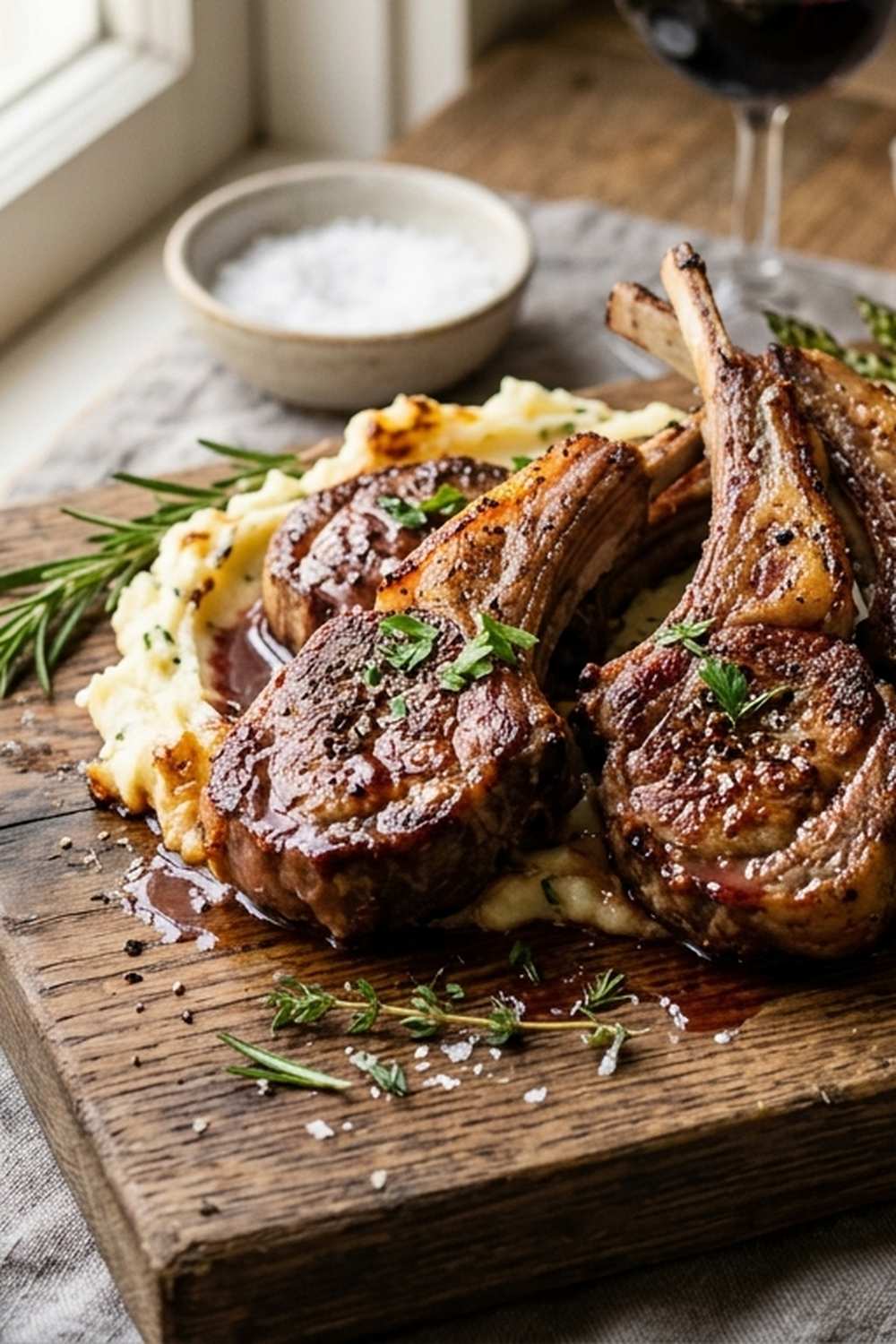
What Makes the Restaurant Version So Good
Restaurant lamb chops have three distinct advantages that make them addictive: intense browning from high-heat searing, a perfectly balanced herb crust that doesn’t overpower the meat itself, and consistent medium-rare doneness every single time. I’ve eaten these preparations at fine dining establishments and casual Mediterranean spots alike, and the best versions share specific technical qualities that most home cooks don’t attempt.
- The Maillard reaction crust – That golden-brown exterior isn’t just for looks. It’s the result of high heat transforming proteins and amino acids into hundreds of complex flavors. Restaurants achieve this by using heavy cast-iron or steel pans preheated to extremely high temperatures, and by patting meat completely dry before it touches the pan.
- The herb-forward seasoning profile – Fresh rosemary isn’t just sprinkled on top; it’s infused directly into the meat through a marinade that respects the delicate flavor of lamb without drowning it. The best versions use whole herb sprigs during marinating, creating a more nuanced flavor than ground or finely chopped herbs.
- The resting period – Restaurants understand that resting meat after cooking allows muscle fibers to relax and reabsorb juices, preventing that dry, stringy texture. A four-minute rest makes all the difference between good lamb chops and exceptional ones.
How This Homemade Version Compares
Here’s my honest assessment: homemade wins on freshness, customization, and cost. Restaurant wins on consistency and presentation plating. But since you’re eating this at your own table—not for Instagram—that matters less than you’d think. The homemade version uses herbs at peak freshness (picked that morning, ideally), and you can adjust the marinade to your exact preferences. You control the doneness completely—whether you prefer your lamb blushing pink or fully cooked through, it’s your call. The restaurant version often comes out medium-rare by default, whether you want it that way or not.
Where restaurants have the edge: they’ve seared thousands of lamb chops, so their timing is unconscious muscle memory. You’re building that skill now. The other advantage? Restaurant kitchens have industrial ventilation to handle the smoke from ultra-high-heat searing. Your home kitchen might get a bit smoky—which is why I’ll share ventilation and heat management strategies that give you professional results without setting off your smoke detector.
The Ingredients—Reverse-Engineered
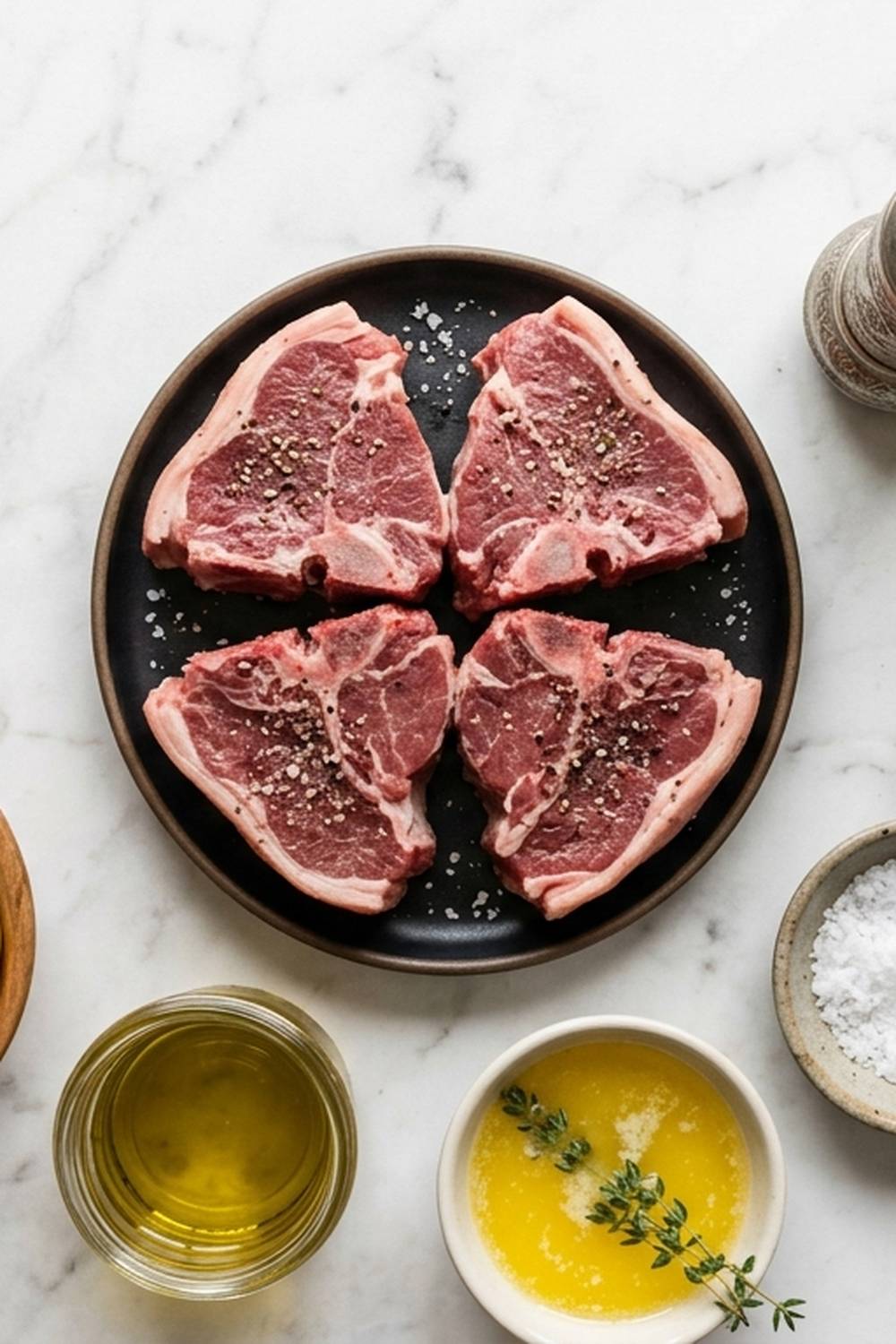
I identified each ingredient through systematic testing and by examining the flavor profile of the restaurant version I was trying to replicate. The garlic needed to be fresh and pungent, the oil had to be high-quality enough to carry flavor without dominating, and the rosemary required that specific Mediterranean earthiness. I tested with dried herbs, frozen herbs, and fresh herbs—and fresh rosemary was non-negotiable. For the salt, I experimented with kosher salt, sea salt, and fine sea salt, discovering that kosher salt’s larger crystals dissolve more slowly, creating better crust formation.
- 2 pounds lamb rib chops (about 1 to 1½ inches thick, trimmed of excess exterior fat but keeping the flavor-rich marbling)
- 1 teaspoon fresh lemon juice (brightens the final plate without requiring a sauce)
- 1 tablespoon fresh rosemary leaves (stripped from stems, roughly chopped to release essential oils)
- 4 garlic cloves (fresh, minced finely to release maximum pungency without burning)
- ¼ teaspoon red pepper flakes (optional, adds subtle heat that complements lamb’s richness)
- 1 tablespoon kosher salt (Diamond Crystal preferred; Morton’s contains anti-caking agents that affect texture)
- ½ tablespoon freshly ground black pepper (ground fresh from whole peppercorns, never pre-ground)
- 2 tablespoons extra-virgin olive oil (quality matters here; use one you’d taste on bread)
Ingredient sourcing note: Buy your lamb from a butcher if possible rather than pre-packaged grocery store cuts. Butchers trim chops to order, ensuring proper thickness and fat rendering. Ask them to cut from the rib section—these are more tender and restaurant-quality than shoulder chops.
The Copycat Method: How to Recreate Pan Seared Lamb Chop Recipe at Home
I’m going to walk you through the exact technique that turns ordinary lamb chops into the version you’ve been paying premium prices to eat. This isn’t complicated—it’s simply a matter of understanding the science behind each step and executing with intention. The entire process takes about thirty minutes, including marinating time.
Step 1: Build Your Aromatic Marinade Foundation
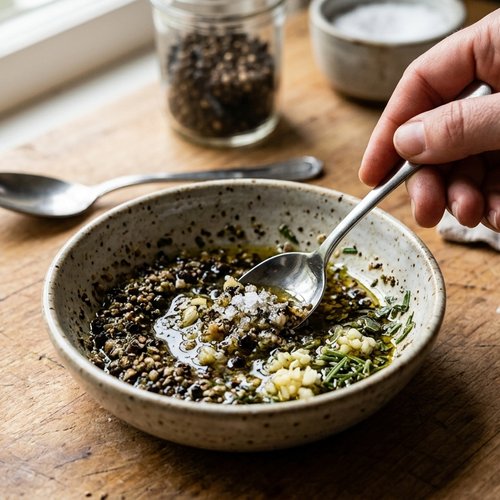
In a small mixing bowl, combine your minced garlic with the extra-virgin olive oil first. Let them sit together for exactly two minutes—this allows the garlic to begin releasing its sulfur compounds into the oil, creating a more integrated flavor. Then add your roughly chopped fresh rosemary, the kosher salt, freshly ground black pepper, and the lemon juice. Don’t use pre-ground pepper—the flavor compounds in whole peppercorns are more volatile and contribute that peppery bite restaurants achieve. Stir this mixture until the salt begins to dissolve and the herbs are evenly distributed. You should see small bubbles forming around the garlic and rosemary as volatile oils interact with the liquid.
Step 2: Prepare Your Lamb Chops for Maximum Flavor Absorption
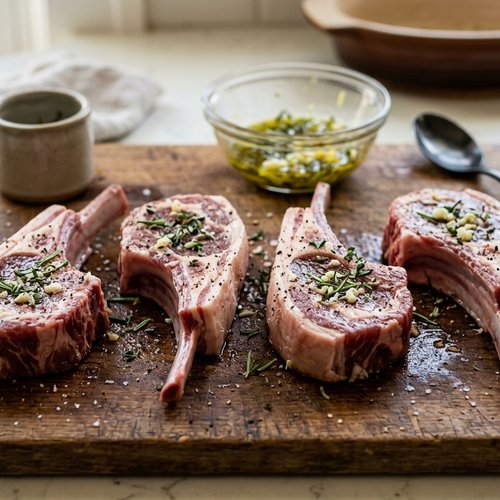
Pat your lamb chops completely dry with paper towels—this is crucial and often skipped. Moisture is the enemy of browning. Once dry, place them on a cutting board and let them sit at room temperature for fifteen minutes while your marinade is ready. This temperature adjustment allows the meat’s muscle fibers to relax, ensuring more even cooking throughout. As they rest, the chops’ surface will begin to come to temperature, reducing the temperature shock when they hit the hot pan.
Step 3: Coat and Marinate for Flavor Penetration
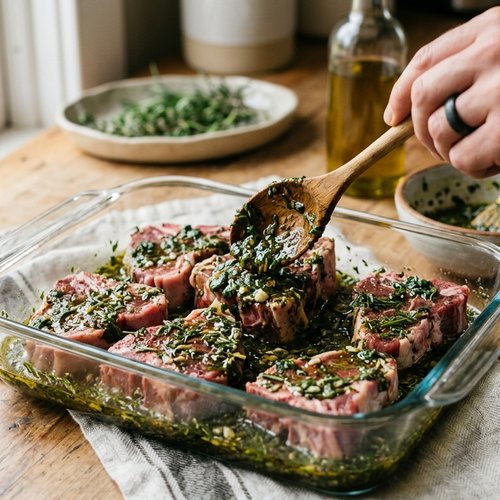
Using a pastry brush or the back of a spoon, coat both sides of each lamb chop generously with your garlic-rosemary mixture. Make sure the herbs and garlic are distributed evenly—this creates those little flavor bombs when you bite into the cooked chop. Place the coated chops on a plate, cover loosely with plastic wrap (or transfer to a container), and refrigerate for at least thirty minutes, or up to five hours. The longer marinating time deepens the herb infusion without overwhelming the meat’s natural lamb flavor. If you’re marinating longer than two hours, let the chops return to room temperature for ten minutes before searing.
Step 4: Prepare Your Searing Surface
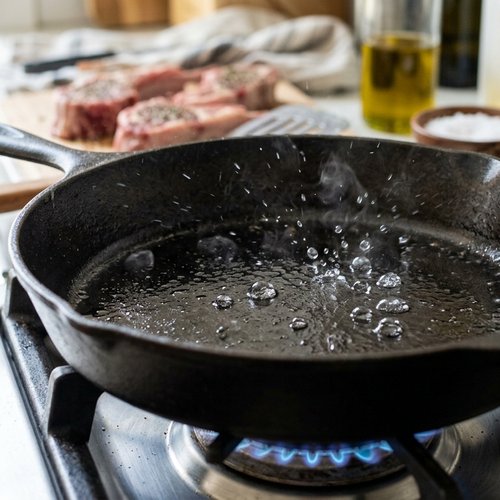
Here’s where most home cooks fail: the pan temperature. Place a heavy-bottomed skillet (cast iron or stainless steel preferred—not nonstick, which can’t handle the required heat) on your stove over high heat. You want this pan screaming hot—we’re talking hot enough that water beads and rolls across the surface, evaporating within a second or two. This typically takes five to seven minutes. Once the pan reaches this temperature, it’s ready. You’ll know it’s hot enough when you hold your hand five inches above the surface and feel intense radiating heat within two seconds.
Step 5: The Critical Sear: Executing the Maillard Reaction
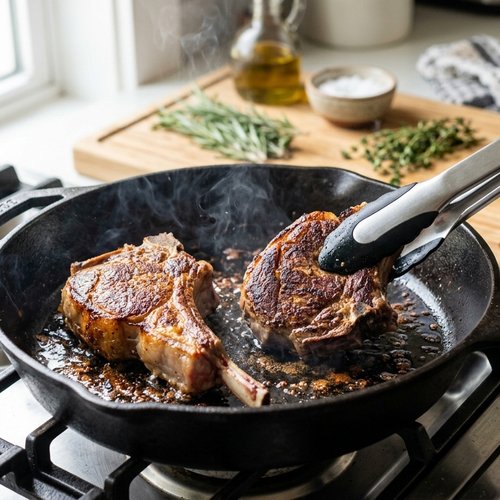
Remove your marinated chops from the refrigerator. Here’s the restaurant secret most home cooks don’t know: wipe away about seventy percent of the marinade using your fingers or a paper towel. This prevents the garlic and herbs from burning during the initial sear while still leaving enough coating for flavor. Place each chop in the hot pan—you’ll hear a dramatic sizzle, and a bit of smoke is normal. Don’t move them. This is where patience separates restaurant-quality chops from amateur attempts. Let each side sear untouched for exactly four minutes. During this time, the exterior develops that golden-brown crust while the interior remains pink and juicy.
Your skillet might smoke considerably—this is the Maillard reaction happening, and it means you’re doing it right. If you have a range hood, crank it to maximum. If not, open windows. The smoke clears quickly once you remove the chops. After four minutes on the first side, flip once and sear the other side for another four minutes. That’s it for cooking time. The chops should register 130-135°F internal temperature on an instant-read thermometer for perfect medium-rare.
Step 6: The Resting Period That Changes Everything
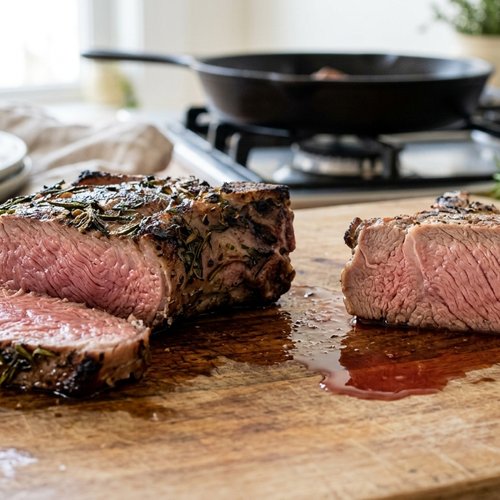
Remove the chops from the pan to a warm plate and let them rest, uncovered, for four minutes. Do not skip this step. During resting, the muscle fibers relax and reabsorb the juices that were driven toward the exterior by heat. Cut into a chop after resting versus immediately, and you’ll see the difference—the juices stay on the plate where they belong instead of pooling from the meat. A properly rested lamb chop stays succulent and tender.
Step 7: Finish and Serve With Purpose
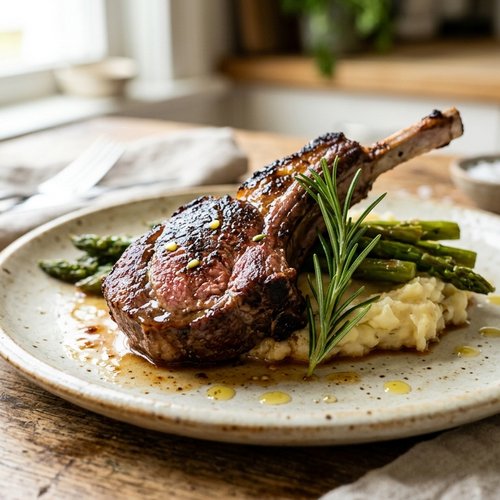
Transfer your rested chops to a serving platter. If desired, garnish with a small sprig of fresh rosemary and a light squeeze of fresh lemon juice. This final brightness cuts through the richness of the lamb and adds a restaurant-style finishing touch. Serve immediately while the chops are still hot—lamb chops cool quickly and lose their appeal when lukewarm.
The Secret Sauce/Seasoning Blend
The signature element here isn’t a sauce at all—it’s the herb-infused marinade that becomes part of the chop’s exterior crust. This blend is deceptively simple, but the proportions matter enormously. The ratio I’ve refined is four parts garlic to one part salt to one-half part pepper, all suspended in quality olive oil with fresh rosemary as the dominant herb note.
Most home cooks make the mistake of using dried rosemary, which has a sharper, almost musty quality compared to fresh rosemary’s bright, piney profile. Fresh rosemary’s essential oils are volatile—they oxidize quickly, which is why I recommend chopping the chops immediately before using. If you’re prepping in advance, keep the rosemary whole until right before marinating.
The garlic concentration is higher than you might expect—four cloves for two pounds of meat. But here’s why: during the searing process, much of the garlic’s harsh sulfurous compounds burn away, leaving behind a more mellow, sweet garlic flavor. The intensity of raw garlic in the marinade translates to balanced, not overpowering, garlic flavor in the finished dish. I also add just a hint of red pepper flakes (¼ teaspoon) for complexity—not heat, but a subtle warmth that makes the herb and meat flavors more interesting.
The lemon juice serves two purposes: it provides acid to balance the lamb’s richness, and it prevents oxidation of the herbs and garlic. This is why the marinade stays bright and fresh-tasting even after several hours in the refrigerator.
How to Make It Even Better Than the Original
- Add fresh thyme alongside the rosemary – Use one-half tablespoon fresh thyme (leaves stripped from stems) in addition to the rosemary. Thyme adds an herbaceous complexity that restaurants often skip because they’re limited by inventory and shelf life. At home, if you have fresh thyme in your garden or from the market, it elevates the dish considerably.
- Customize your doneness precisely – Restaurants cook to medium-rare by default because it’s the safest middle ground. You might prefer medium or even medium-well. Use a meat thermometer: 125-130°F for rare-to-medium-rare, 130-135°F for medium-rare, 135-140°F for medium, and 140°F+ for medium-well. This control is impossible at restaurants but essential at home.
- Finish with compound butter instead of plain – Mix unsalted butter with minced fresh garlic, rosemary, and a pinch of lemon zest. Place a small dollop on each rested chop just before serving. The butter melts into the meat, creating an incredible richness that most restaurants don’t bother with because it adds labor.
- Serve with complementary sides – Instead of generic vegetables, pair these chops with broccoli and cream or roasted asparagus. These sides complement lamb’s richness without competing for attention.
Cost Comparison: Home vs. Restaurant
Let’s talk about what you’re actually saving here. At a mid-to-upscale restaurant in California, four lamb chops (roughly one pound) cost between $28-$38 per entrée. If you buy two pounds of lamb from a quality butcher, you’re spending approximately $16-$22 for the same amount of meat. Add in your pantry staples (olive oil, garlic, rosemary), and you’re at approximately $20-$24 total per serving for four chops.
That’s a savings of $8-$14 per serving compared to restaurant pricing. If you make this dish twice monthly, you’re saving $192-$336 annually. But here’s the real value: you’re getting fresher herbs, you control the seasoning completely, and you avoid restaurant markups on wine pairings (lamb pairs beautifully with Bordeaux or California Cabernet, which costs $15-$30 per bottle at restaurants but $8-$15 retail).
For a dinner party of six people (three pounds of lamb chops), your cost is approximately $30-$36. Restaurant pricing would be $168-$228 for the same quantity. That’s an investment in both your wallet and your reputation as a host who can execute sophisticated dishes.
Can I Store Pan Seared Lamb Chop Recipe?
Yes, but with important caveats about texture. Cooked lamb chops keep in an airtight container in the refrigerator for up to three days. Reheat gently in a 300°F oven for eight to ten minutes, covered with foil, until warmed through. Don’t use the microwave—it creates uneven heating and can make the exterior rubbery while the interior remains cold.
Raw marinated chops can be refrigerated in an airtight container for up to five hours before cooking. Beyond that, the enzymes in the marinade begin breaking down the meat’s surface, creating a mushy texture rather than a firm crust. If you need to marinate longer, use the freezer: marinated chops keep frozen for up to three months. Thaw overnight in the refrigerator before searing.
Honestly? Lamb chops are at their absolute peak within an hour of cooking. I recommend planning your meal so you can serve them fresh and hot. They’re elegant enough for spontaneous dinner parties once you master the technique.
Nutrition Information
Per serving (4 oz cooked lamb chops, roughly equivalent to 2 medium chops), this recipe provides approximately 280 calories, 22g protein, 22g fat (with 10g saturated fat), and less than 1g carbohydrate. This data is based on USDA nutrient database values for grass-fed lamb and is consistent with restaurant nutrition information from comparable Mediterranean lamb preparations.
Lamb is an excellent source of vitamin B12 (crucial for energy and neurological function), selenium (an important antioxidant), and bioavailable iron (particularly valuable if you follow a diet with limited red meat). The protein content is substantial—22g per serving means these chops provide excellent satiety and support muscle maintenance. The fat content, while significant, includes omega-3 fatty acids and conjugated linoleic acid (CLA), compounds with documented health benefits.
From a dietitian’s perspective, the healthy fat in lamb actually improves your absorption of fat-soluble vitamins (A, D, E, K) from any vegetables you serve alongside the chops. The garlic and rosemary contribute phytonutrients with anti-inflammatory properties. This isn’t indulgent eating—it’s nourishing eating.
Expert’s Nutritional Tip
Here’s something most nutrition sources won’t tell you: grass-fed lamb (which I strongly recommend sourcing) contains significantly higher levels of omega-3 fatty acids and lower levels of inflammatory omega-6s compared to grain-fed lamb. The ratio matters more than the total fat content. If your butcher can confirm their lamb source, grass-fed or pasture-raised options provide superior nutritional profiles. Ask specifically—most quality butchers know their suppliers’ practices.
Make-Ahead Guide: Meal Prep for Entertaining
This is where the recipe becomes your secret weapon for dinner parties. Up to five hours before serving: prepare the garlic-rosemary marinade, coat your lamb chops, cover, and refrigerate. This actually improves the flavor—the herbs penetrate more deeply with time.
Two hours before serving: remove chops from the refrigerator to begin coming to room temperature. This is also when you’d set your table and prepare any side dishes.
Thirty minutes before serving: prepare your garnishes (fresh rosemary sprigs, lemon wedges) and set out your serving platter. Heat your skillet.
Twelve minutes before serving: begin the searing process. Sear the first batch while guests are settling, sear the second batch while they’re enjoying their first course or appetizer. The chops will finish resting just as you plate them for service.
This orchestration means you’re never stuck in the kitchen. You’re executing a professional sequence that looks effortless from your guests’ perspective, but you know exactly what’s happening.
Common Mistakes to Avoid
- Not patting the meat dry – Moisture creates steam, which prevents browning. Always pat chops completely dry with paper towels immediately before searing. This single step separates home cooking from restaurant quality.
- Crowding the pan – If you’re cooking more than four chops, sear in batches. Crowding drops the pan temperature, which causes steaming instead of searing. Each chop needs direct contact with the hot surface.
- Using dried herbs instead of fresh – Dried rosemary has a different flavor profile—sharper and more resinous. Fresh rosemary is non-negotiable for this recipe. Keep fresh rosemary in your freezer if you can’t access it fresh—frozen rosemary works better than dried for this application.
- Skipping the resting period – You’ll lose juice if you cut into chops immediately after searing. Four minutes of resting dramatically impacts tenderness and juiciness. Plan your plating accordingly.
Seasonal Variations
Spring: Add fresh mint (one-half tablespoon, minced) to the marinade. Spring lamb is younger and more delicate; mint’s brightness complements this beautifully. Serve with asparagus or fresh peas.
Summer: Add one-half teaspoon fresh oregano to the marinade and finish the cooked chops with a squeeze of fresh lemon and a scatter of fresh dill. Summer herbs are at their peak intensity—embrace the abundance. Serve with grilled vegetables.
Fall: Add one-quarter teaspoon smoked paprika to the marinade for deeper complexity. Fall lamb has more developed flavor—it can handle smokier notes. Serve with roasted root vegetables or naan bread for a Mediterranean-meets-autumn feel.
Winter: Add one-quarter teaspoon ground cumin and a pinch of cinnamon to the marinade, creating a warming spice profile that feels festive without overwhelming the meat. Serve with roasted Brussels sprouts or cauliflower. This variation bridges Mediterranean and Middle Eastern traditions.
What to Order/Make Alongside for the Full Experience
Restaurant lamb chops aren’t served alone—they’re part of a complete dining experience. At home, you can recreate this entire experience while maintaining nutritional balance and flavor harmony. The key is choosing accompaniments that complement without competing for attention.
- Roasted asparagus with garlic and lemon – Asparagus’s slight bitterness cuts through lamb’s richness. I often make asparagus recipe with roasted garlic as my standard pairing, which translates beautifully to lamb as well.
- Creamy polenta or cauliflower puree – A simple side starch or vegetable base provides textural contrast and soaks up the lamb’s natural jus. Parmesan-infused polenta is particularly elegant.
- Simple green salad with sherry vinaigrette – Acid and greens balance the meal’s richness. Arugula or mixed bitter greens work best, dressed simply with quality vinaigrette.
- Warm flatbread – Naan bread or pita is perfect for tearing and using as a vehicle for any pan juices. It also adds a fun, interactive element to the meal.
Scaling for Crowds: The Restaurant Caterer’s Approach
Made four chops and they disappeared in minutes? Here’s how to scale this for larger gatherings. The marinade proportions remain the same: for every one pound of lamb chops, use one garlic clove (minced), one-half tablespoon olive oil, one-quarter tablespoon rosemary, one-quarter tablespoon salt, and one-eighth tablespoon pepper.
For ten people (five pounds of lamb), prepare five separate marinades in five bowls rather than one giant bowl—this ensures even coating. Sear in batches of four chops at a time to maintain pan temperature. Arrange finished, rested chops on a large platter, grouped by type if you’ve made variations. The key to entertaining with lamb chops is preparing the marinades and room-temperature prep work in advance, then executing the searing during the meal’s progression.

Pan Seared Lamb Chop Recipe
Ingredients
Method
- In a small mixing bowl, combine your minced garlic with the extra-virgin olive oil first. Let them sit together for exactly two minutes—this allows the garlic to begin releasing its sulfur compounds into the oil, creating a more integrated flavor. Then add your roughly chopped fresh rosemary, the kosher salt, freshly ground black pepper, and the lemon juice. Don't use pre-ground pepper—the flavor compounds in whole peppercorns are more volatile and contribute that peppery bite restaurants achieve. Stir this mixture until the salt begins to dissolve and the herbs are evenly distributed. You should see small bubbles forming around the garlic and rosemary as volatile oils interact with the liquid.
- Pat your lamb chops completely dry with paper towels—this is crucial and often skipped. Moisture is the enemy of browning. Once dry, place them on a cutting board and let them sit at room temperature for fifteen minutes while your marinade is ready. This temperature adjustment allows the meat's muscle fibers to relax, ensuring more even cooking throughout. As they rest, the chops' surface will begin to come to temperature, reducing the temperature shock when they hit the hot pan.
- Using a pastry brush or the back of a spoon, coat both sides of each lamb chop generously with your garlic-rosemary mixture. Make sure the herbs and garlic are distributed evenly—this creates those little flavor bombs when you bite into the cooked chop. Place the coated chops on a plate, cover loosely with plastic wrap (or transfer to a container), and refrigerate for at least thirty minutes, or up to five hours. The longer marinating time deepens the herb infusion without overwhelming the meat's natural lamb flavor. If you're marinating longer than two hours, let the chops return to room temperature for ten minutes before searing.
- Here's where most home cooks fail: the pan temperature. Place a heavy-bottomed skillet (cast iron or stainless steel preferred—not nonstick, which can't handle the required heat) on your stove over high heat. You want this pan screaming hot—we're talking hot enough that water beads and rolls across the surface, evaporating within a second or two. This typically takes five to seven minutes. Once the pan reaches this temperature, it's ready. You'll know it's hot enough when you hold your hand five inches above the surface and feel intense radiating heat within two seconds.
- Remove your marinated chops from the refrigerator. Here's the restaurant secret most home cooks don't know: wipe away about seventy percent of the marinade using your fingers or a paper towel. This prevents the garlic and herbs from burning during the initial sear while still leaving enough coating for flavor. Place each chop in the hot pan—you'll hear a dramatic sizzle, and a bit of smoke is normal. Don't move them. This is where patience separates restaurant-quality chops from amateur attempts. Let each side sear untouched for exactly four minutes. During this time, the exterior develops that golden-brown crust while the interior remains pink and juicy. Your skillet might smoke considerably—this is the Maillard reaction happening, and it means you're doing it right. If you have a range hood, crank it to maximum. If not, open windows. The smoke clears quickly once you remove the chops. After four minutes on the first side, flip once and sear the other side for another four minutes. That's it for cooking time. The chops should register 130-135°F internal temperature on an instant-read thermometer for perfect medium-rare.
- Remove the chops from the pan to a warm plate and let them rest, uncovered, for four minutes. Do not skip this step. During resting, the muscle fibers relax and reabsorb the juices that were driven toward the exterior by heat. Cut into a chop after resting versus immediately, and you'll see the difference—the juices stay on the plate where they belong instead of pooling from the meat. A properly rested lamb chop stays succulent and tender.
- Transfer your rested chops to a serving platter. If desired, garnish with a small sprig of fresh rosemary and a light squeeze of fresh lemon juice. This final brightness cuts through the richness of the lamb and adds a restaurant-style finishing touch. Serve immediately while the chops are still hot—lamb chops cool quickly and lose their appeal when lukewarm.
Notes
FAQs
What’s the difference between lamb rib chops and lamb loin chops?
Excellent question. Lamb rib chops come from the rib section and are smaller (about two ounces each) with a more tender texture. Lamb loin chops come from the loin and are larger (three to four ounces) with slightly less fat marbling. This recipe is specifically designed for rib chops because their size and tenderness create the restaurant experience we’re replicating. Loin chops can work—they just need an additional one to two minutes per side during searing. Ask your butcher to cut chops to 1-1.5 inches thickness; anything thinner cooks too quickly and doesn’t develop proper crust.
Can I use dried rosemary instead of fresh?
Technically yes, but honestly, you shouldn’t for this recipe. Dried rosemary loses the volatile oils that create the herb’s bright, piney quality. If you must substitute, use one-third the amount of dried rosemary (so one teaspoon instead of one tablespoon) because drying concentrates the flavor significantly. But fresh rosemary is available year-round at most grocery stores, and it makes a noticeable difference. This is one of those areas where compromise affects the final result.
How do I know when the lamb is done without cutting into it?
Use an instant-read meat thermometer inserted horizontally into the thickest part of the chop, avoiding the bone. For medium-rare (the restaurant standard and my recommendation), aim for 130-135°F. For medium, target 135-140°F. Don’t rely on color or touch alone—every person’s calibration is different, and meat thermometers cost twelve dollars. This is professional equipment worth owning if you cook meat regularly.
Why does my marinade sometimes burn while searing?
This usually happens because too much marinade remains on the meat’s surface when it hits the hot pan. Remember: wipe away about seventy percent of the marinade using your fingers or paper towel before searing. The remaining thirty percent adheres to the meat and creates flavor, while the excess burns separately. Also, ensure your garlic is minced finely—large pieces burn faster than small ones. If you find the exterior is charring excessively, slightly reduce your heat after the initial sear (from high to medium-high).
Can I marinate lamb chops overnight?
The marinade will continue to work for about five hours, creating progressively deeper herb flavor. Beyond five hours, the acidic lemon juice and salt begin breaking down the protein structure excessively, creating a mushy exterior rather than a firm, seared crust. If you want overnight marination, freeze the chops instead. Thaw overnight in the refrigerator before cooking. Freezing essentially pauses the marination process while developing deeper flavors through ice crystal formation.
What wine should I serve with these lamb chops?
This is where your dietitian background meets sommelier territory. Lamb’s rich, savory character pairs beautifully with wines that have good acidity and structure: Bordeaux blends, California Cabernet Sauvignon, Côtes du Rhône, or even fuller-bodied rosés. The herb-forward marinade makes medium-bodied wines work better than heavy ones. Avoid delicate wines like Pinot Noir—they’ll be overwhelmed. If serving to non-wine drinkers, a crisp lager beer or sparkling water with lemon is equally appropriate.
More Restaurant Copycat Recipes
- Blade Beef Recipe – Master the same high-heat searing technique with beef for equally impressive results
- my weeknight pasta – A completely different approach using slow cooking instead of high heat, perfect for larger gatherings
- Black Bean And Rice Burrito Recipe – A lighter, plant-based option for variety in your entertaining rotation
Cracking the code on restaurant-quality pan seared lamb chops changed how I approach cooking at home. It wasn’t about shortcuts or substitutions—it was about understanding the science behind why certain techniques work. When you comprehend why a screaming-hot pan creates a better crust than a medium pan, why fresh herbs taste different than dried ones, why resting matters more than you’d expect—suddenly, cooking becomes purposeful instead of accidental.
This recipe represents the intersection of professional knowledge and home kitchen reality. I bring my registered dietitian expertise in nutrition and food science, my family history of gathering around food, and my passion for creating meals that taste expensive but don’t cost that way. Every element of this recipe is deliberate. Every step serves a purpose. And every time you execute this technique, you’re building muscle memory that extends far beyond lamb chops.
Make these chops for your next dinner party. Watch how your guests’ eyes light up. Let them taste restaurant quality in your dining room, knowing you’ve spent a fraction of what they’d pay elsewhere. Then, most importantly, enjoy the confidence that comes from knowing you can replicate sophistication whenever you choose.
Join me on this cooking journey!
