
When I think of the hard-boiled egg, I don’t just think about its simple appearance; I recall the many ways it can elevate a dish. Picture this: a picnic by the lake, friends laughing, and I pull out a batch of hard-boiled eggs.
Suddenly, they become the star of the show. Beyond breakfast, they fit seamlessly into salads, sandwiches, and even as a comforting snack. Let’s dive into a delightful exploration of the hard-boiled egg recipe, layers of flavor, and ways to serve these culinary gems.
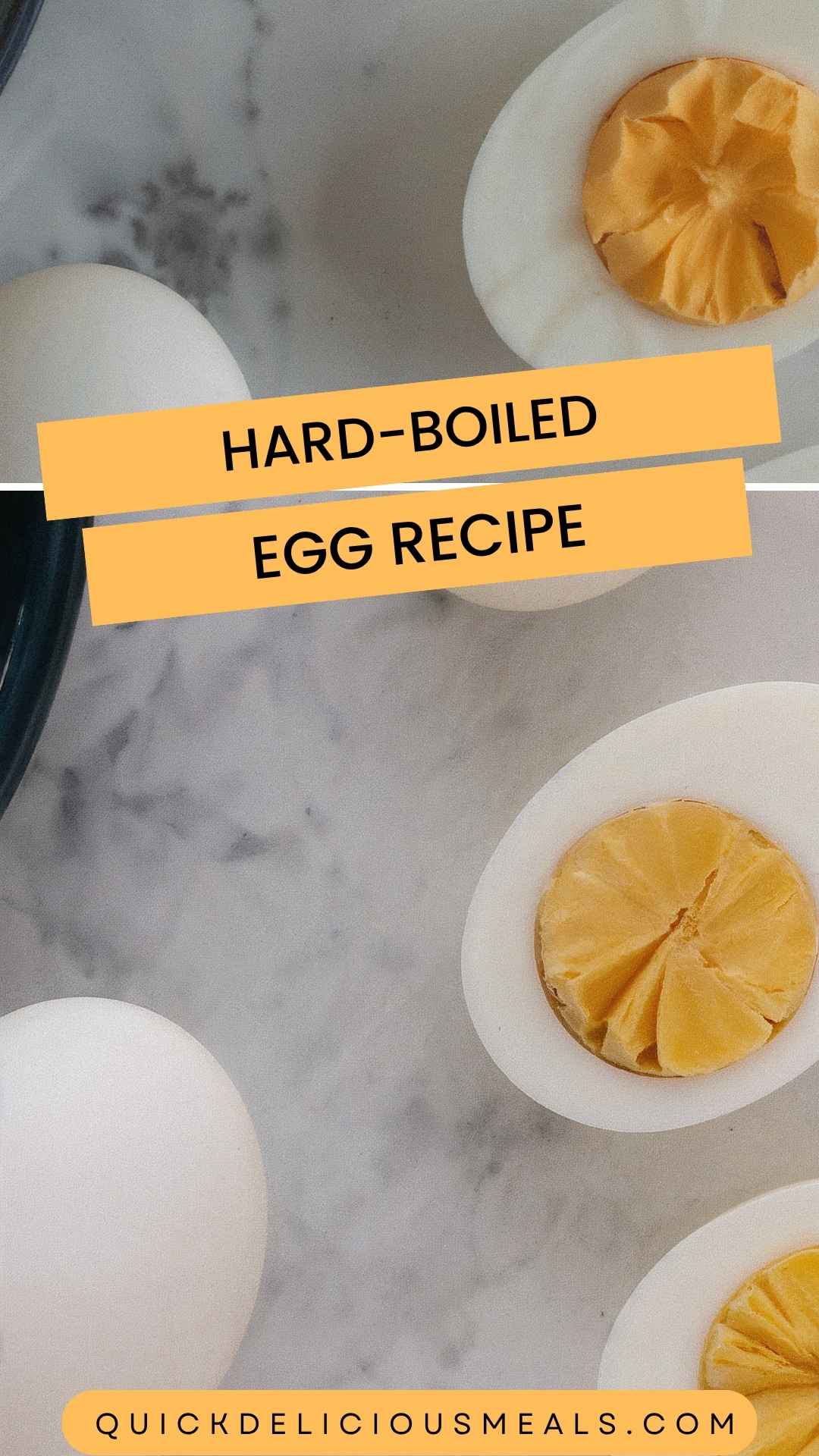
What Pairs Well with Hard-Boiled Eggs?
Hard-boiled eggs possess a unique adaptability. They can truly complement various dishes. For starters, consider classic egg salad, where creaminess meets crunch with a hint of seasoning. How about a refreshing green salad featuring mixed greens, nuts, and a zesty vinaigrette?
You could also boost your pasta salads by adding those eggs to the mix, creating a buffet of textures. Lastly, never underestimate the allure of a charcuterie board; beautifully sliced hard-boiled eggs can be an attractive addition, bringing protein variety to the table.
What is the Hard-Boiled Egg Recipe?
A hard-boiled egg recipe might sound straightforward, but it’s a blend of temperature control, timing, and personal touch. The goal is to achieve a firm white with a yolk that’s creamy, not chalky. In this guide, I’ll share my personal techniques that transform egg-making into an extraordinary experience.
Why This Recipe Works
The magic of this recipe lies in a few essential components. First, starting with cold eggs fresh from the fridge prevents overcooking and helps maintain that tender texture.
Second, there’s a method of temperature regulation that helps to achieve the perfect boil without any surprises. I’ve experimented with various approaches, and the one I’m about to share always yields fantastic results. It allows for easy peeling too!
What You’ll Need to Make This Dish
To get started, gather the following:
- 6 to 12 large eggs: Fresh is best for flavor and usability.
- ¼ teaspoon sea salt: This enhances the eggs’ flavor while they cook.
- Ice water: For shocking the eggs post-cooking, ensuring a perfect peel.
These simple ingredients lay the groundwork for culinary success.
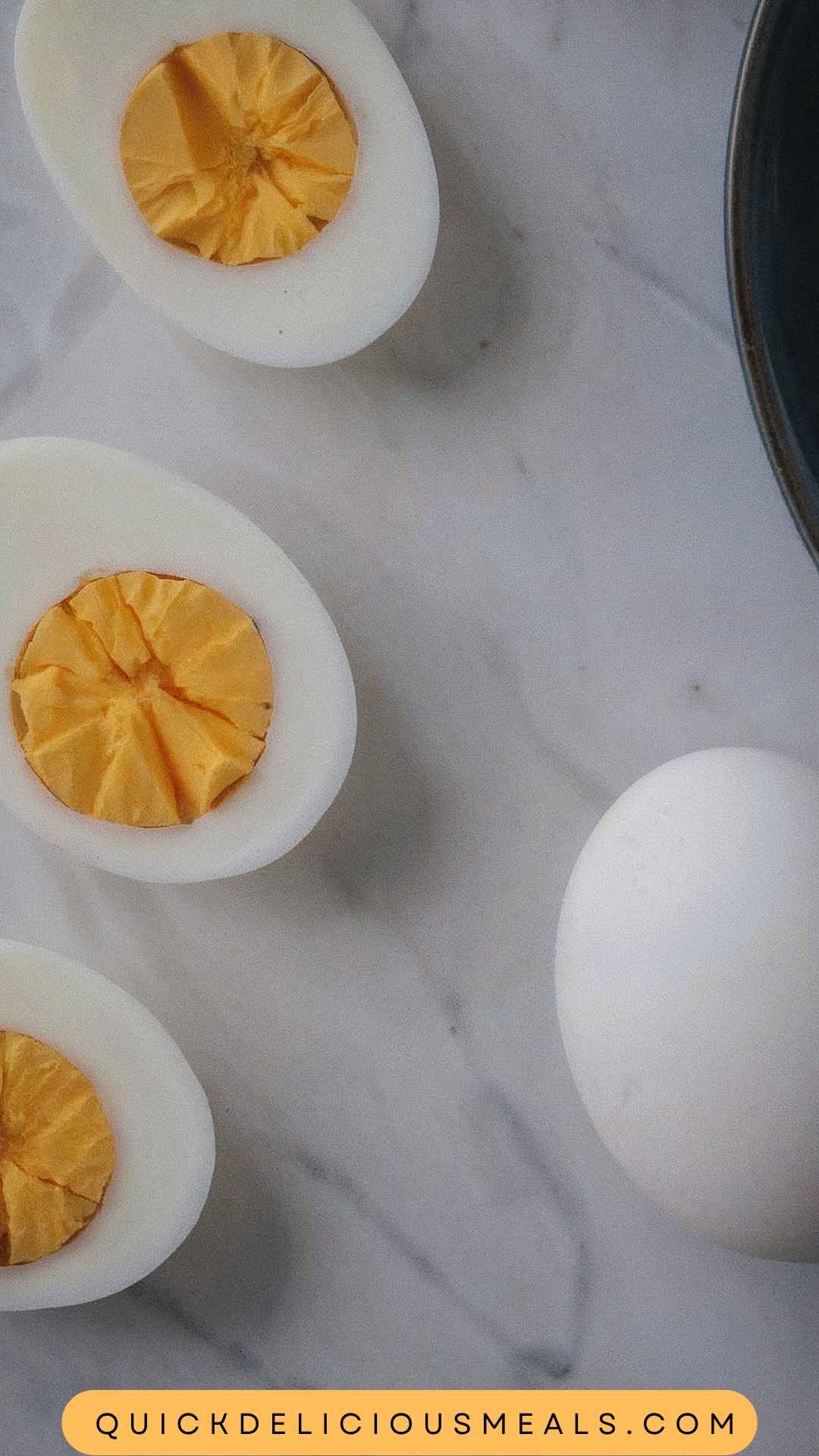
How to Make Hard-Boiled Eggs
Making hard-boiled eggs is straightforward once you have your ingredients ready. Let’s move into the detailed process so you can achieve perfection.
Step 1: Prepare the Eggs
Choose your eggs wisely. Cold eggs from the fridge are best for boiling. Avoid using eggs that are too fresh; slightly older eggs peel better. This experience is all about quality.
Step 2: Boil the Water
Fill a saucepan with water, ensuring there’s enough to cover the eggs fully. Turn the heat to high. As the water heats up, sprinkle in the sea salt. This will help in flavor enhancement and may even help with peeling later.
Step 3: Add the Eggs
Once the water is boiling, gently lower in the eggs using a slotted spoon. This method prevents cracking and keeps the shells intact.
Step 4: Boil the Eggs
Allow the eggs to cook for about 9 to 12 minutes, depending on how firm you prefer the yolks. Nine minutes yields a creamier yolk, while twelve provides a firm center.
Step 5: Shock the Eggs
When the time is up, carefully remove the eggs and plunge them into a bowl of ice water. This “shocking” process halts the cooking. Let the eggs sit in the ice water for about 5 to 10 minutes.
Step 6: Peel and Enjoy
Once cooled, gently tap the eggs on a hard surface to crack the shell. Begin peeling from the large end for the easiest results. Revel in the joy of that perfectly cooked egg!
Tips for Perfect Hard-Boiled Eggs
- Use older eggs: The fresher the egg, the harder it will be to peel. Slightly older eggs work wonders for peeling.
- Start with cold water: This helps cook the eggs evenly and prevents cracking.
- Don’t skip the ice bath: It’s critical for stopping the cooking process and ensures a great texture.
- Timing is key: Experiment to find your perfect time for cooking. Start with 9 minutes and adjust from there.
- Store properly: If you aren’t eating the eggs right after boiling them, keep them in the shell in the fridge to maintain freshness.
How to Store Leftovers
If you happen to have leftover hard-boiled eggs, they can be successfully stored in the refrigerator. Place them in a sealed container, preferably unpeeled to maintain quality. They should be used within one week for the best taste and safety. If peeled, store them submerged in water within a container to prevent them from drying out.
Nutrition Information
Hard-boiled eggs are nutrition powerhouses. One large hard-boiled egg has approximately:
- Calories: 70
- Protein: 6 grams
- Fat: 5 grams
- Carbohydrates: 0 grams
- Cholesterol: 186 mg
This makes them a fantastic option for anyone looking for a protein boost without the carbs.
How Would I Recommend Serving Hard-Boiled Eggs?
- Classic Egg Salad: Chop hard-boiled eggs and mix them with mayonnaise, mustard, diced celery, and seasonings. Spread it on some good quality bread or serve it on a bed of lettuce for a lighter option.
- Breakfast Bowl: Create a breakfast bowl with quinoa or rice, topped with sliced hard-boiled eggs, avocado, and a sprinkle of hot sauce. It’s both filling and delicious!
- Deviled Eggs: A party favorite! Cut hard-boiled eggs in half, mix the yolks with mayo, mustard, and seasoning, then spoon back into the egg white. Top with paprika for flair.
- Salad Garnish: Slice hard-boiled eggs and add them to salads. They can elevate a simple green salad or a hearty grain bowl, adding texture and nutrition.
What Alternatives Can You Use for the Ingredients If Not Available?
- Egg Substitute: If you don’t have eggs, consider flaxseed meal mixed with water (1 tablespoon of flaxseed meal and 2.5 tablespoons of water = 1 egg) for baking, but it won’t work for this recipe.
- Salt Substitute: If sea salt is unavailable, table salt or kosher salt may work just as well. Keep in mind the granule size may alter your measurements slightly.
- Cool Water Alternative: If you lack ice, refrigerated water can still help cool the eggs; just allow for a bit longer in the bath.
- Cooking Pot Alternative: No saucepan? Try a large stockpot or even an electric cooker if you have one; just ensure enough water covers the eggs.
Conclusion
Hard-boiled eggs may seem unassuming, but they are culinary stars in their own right. With their flexibility, friendly nutrition profile, and versatility, they can take center stage or play supporting roles in countless dishes.
I encourage you to take this recipe and make it your own. Experiment with flavors, tools, and techniques until you create your own version of the perfect hard-boiled egg. Trust me, once you nail it, you’ll be whipping up batches for every occasion.
So, when you embark on this cooking journey, think beyond that simple egg. Envision the breakfast bowls, salads, and snacks that could come from your hard work. Your future self—and your friends—will thank you for it! Happy cooking!
You’ll also like the following recipes!
Hard-Boiled Egg Recipe – Quick Delicious Meals
Ingredients
Method
- Choose your eggs wisely. Cold eggs from the fridge are best for boiling. Avoid using eggs that are too fresh; slightly older eggs peel better. This experience is all about quality.
- Fill a saucepan with water, ensuring there’s enough to cover the eggs fully. Turn the heat to high. As the water heats up, sprinkle in the sea salt. This will help in flavor enhancement and may even help with peeling later.
- Once the water is boiling, gently lower in the eggs using a slotted spoon. This method prevents cracking and keeps the shells intact.
- Allow the eggs to cook for about 9 to 12 minutes, depending on how firm you prefer the yolks. Nine minutes yields a creamier yolk, while twelve provides a firm center.
- When the time is up, carefully remove the eggs and plunge them into a bowl of ice water. This “shocking” process halts the cooking. Let the eggs sit in the ice water for about 5 to 10 minutes.
- Once cooled, gently tap the eggs on a hard surface to crack the shell. Begin peeling from the large end for the easiest results. Revel in the joy of that perfectly cooked egg!
Notes
- Use older eggs: The fresher the egg, the harder it will be to peel. Slightly older eggs work wonders for peeling.
- Start with cold water: This helps cook the eggs evenly and prevents cracking.
- Don’t skip the ice bath: It’s critical for stopping the cooking process and ensures a great texture.
- Timing is key: Experiment to find your perfect time for cooking. Start with 9 minutes and adjust from there.
- Store properly: If you aren’t eating the eggs right after boiling them, keep them in the shell in the fridge to maintain freshness.